In the Kazakh canyons, five thousand ancient carvings tell a story of four epochs.
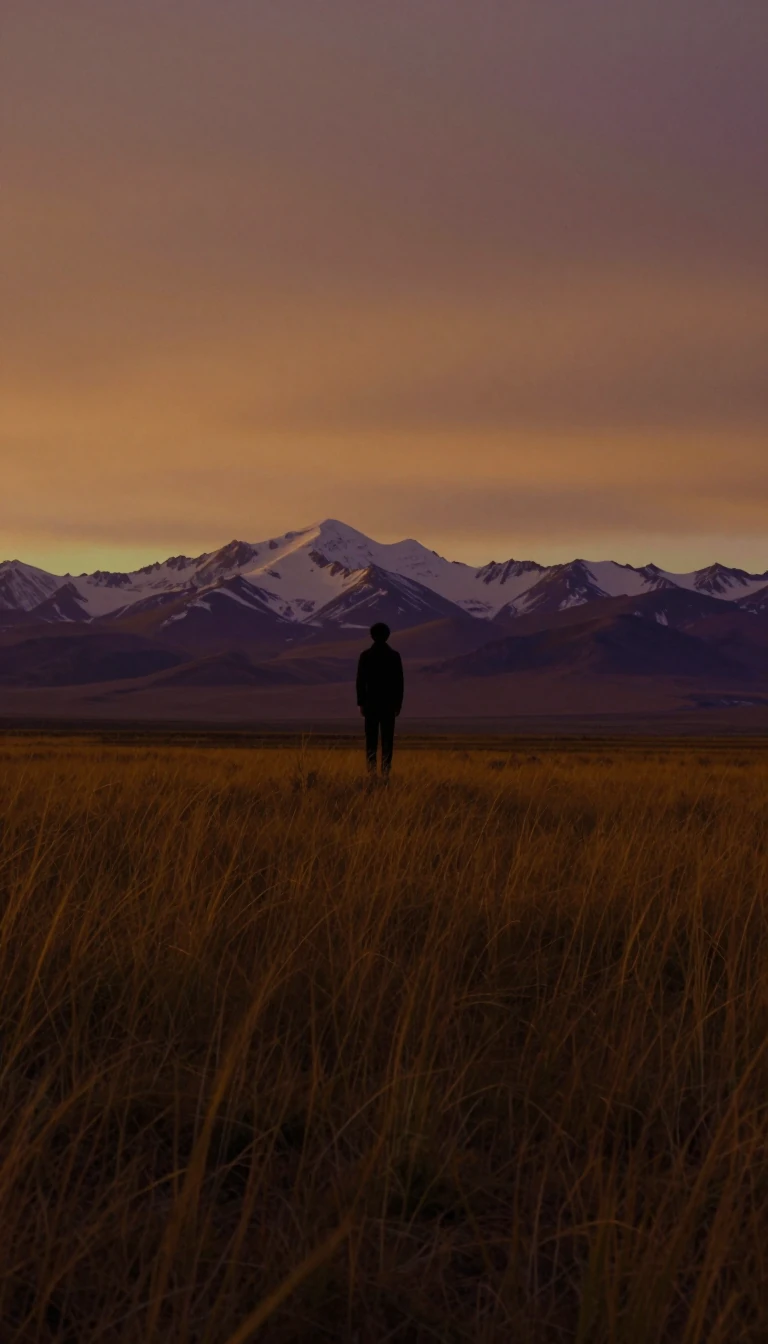
In short: Located 170 kilometers from Almaty, the Tamgaly site is a vast gallery of petroglyphs spanning from the Bronze Age to the 19th century. With five thousand individual carvings distributed across forty-eight distinct locations, this UNESCO World Heritage site offers a rare, layered look at human expression through the millennia.
The site of Tamgaly, whose name translates to 'painted or marked place' in Kazakh and other Turkic languages, serves as a profound archaeological record of the Zhetysu region. Designated a UNESCO World Heritage site in 2004, the area contains a remarkable density of rock art. While there are 48 sites in total, the core of the collection is concentrated within a small canyon, where five primary locations house approximately 3,000 of the total 5,000 petroglyphs found across the landscape.
The artistic evolution at Tamgaly is categorized into four distinct epochs. The Middle Bronze Age carvings, dating back about 3,000 years, are considered the most significant for their aesthetic and cultural depth. These images, often reaching up to one meter in size, feature complex subjects like solar deities, archers wearing wolf masks, and scenes of animal sacrifice. These were crafted with a deep engraving technique, often reaching 3 to 5 millimeters into the rock, creating a naturalistic style that remains visually striking today.
As time progressed, the techniques and subjects shifted. Late Bronze Age and transitional period works became smaller and less detailed, with shallower engravings and a greater focus on pastoral life. By the Early Iron Age, the style became more heterogeneous, reflecting the influence of diverse tribes, while the Middle Ages and modern era introduced scenes of dueling warriors and specialized weaponry. Unlike the earlier, more prominent engravings, these later additions were often placed superficially, sometimes layered directly over the older, more ancient work.
The site remains a critical window into the lives of the precursors to the Saka and Scythian peoples. Beyond the human figures, the petroglyphs document a changing environment, depicting species that are now extinct. By studying these carvings, researchers can trace the transition from ritualistic, naturalistic art to the more utilitarian and narrative styles that emerged in later centuries, providing a unique, tangible link to the history of Central Asia.
Opens the Intellect+ feed with this card first. Swipe up for the next one.
Sources
- Summary by Intellect · source: Tanbaly
- Also: Wikidata — Tamgaly · CC0
To cite this card, link to https://intellectplus.co.uk/app/places-tanbaly.
How we source, check and correct cards: Editorial standards.
General information, not professional advice. Spotted an error? Flag the card or see corrections and complaints.
Intellect Plus is a visual educational discovery platform for exploring fascinating facts and ideas. Brain Food, Not Brain Rot. What is Intellect Plus?
Related
More in World Heritage Sites · More in Countries & Cities · Latest · A–Z · All topics
