A tell is not just a hill, but a layered history of human civilization.
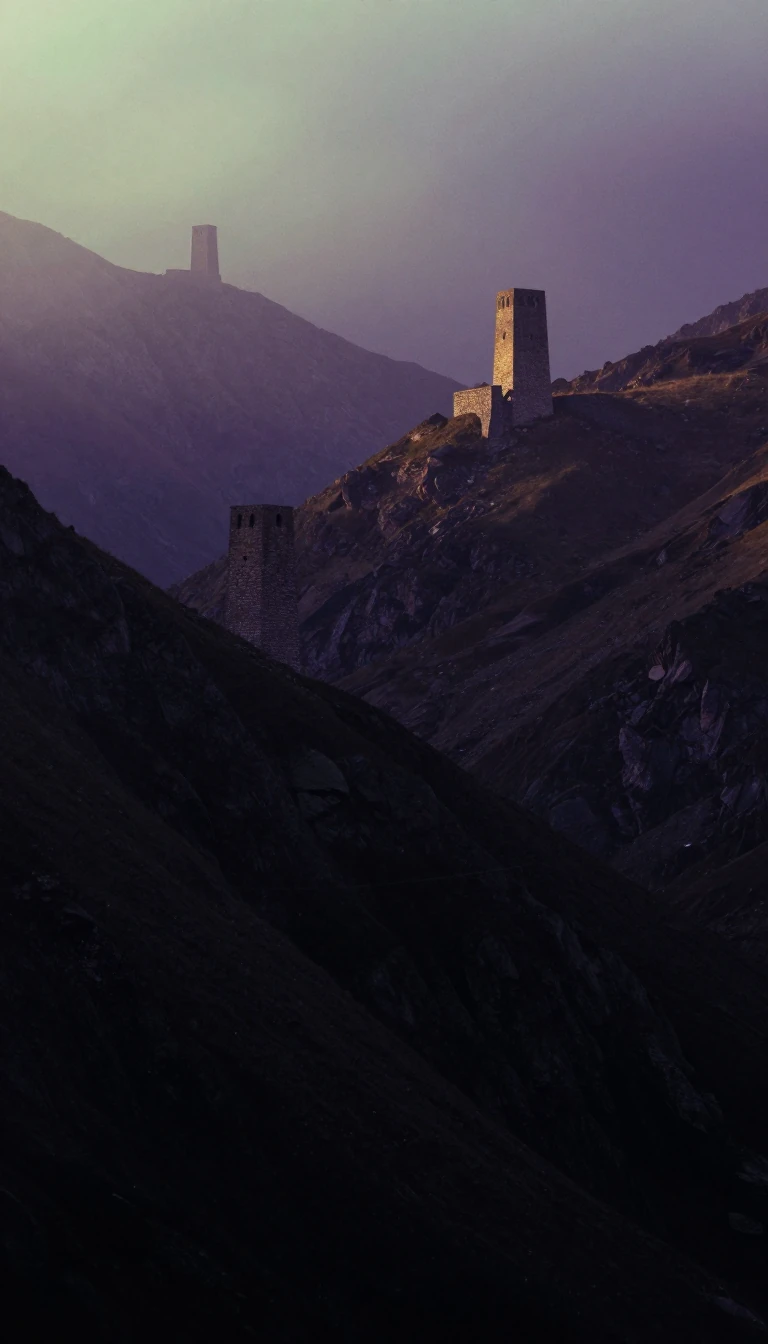
In short: Across the Near East and parts of Europe, thousands of artificial mounds rise from the landscape. These are tells—stratified piles of debris, mudbrick, and sediment created by generations of continuous settlement. They are the physical archives of ancient life, holding the secrets of societies that built upon their own ruins.
A tell forms when human and natural material accumulates faster than it erodes. These structures, which can reach heights exceeding 43 meters, are essentially man-made topographical features. They consist of layers of cultural refuse, collapsed building materials, and biogenic sediment. While they are most iconic in the ancient Near East—where over 5,000 have been identified in the Southern Levant alone—they also appear across Southern and Central Europe, including sites in Bulgaria, Hungary, and Greece.
The formation of a tell requires a specific environment that supports long-term, continuous habitation. In the Southern Levant, the era of tell-building largely concluded following the conquest by Alexander the Great, which introduced new settlement patterns. However, many of these sites remain occupied today. The earliest known examples, such as Tell es-Sultan in the West Bank, date back to the proto-Neolithic period. Archaeological interest in these sites is immense, yet the vast majority remain untouched; in the 1960s, researcher Paul Lapp estimated that 98% of the tells in the Southern Levant had never been excavated.
Scholars continue to debate the social dynamics that produced these mounds. In Neolithic Greece, for instance, researchers like John Chapman and Paul Halstead have proposed competing models. Chapman viewed tells as evidence of nucleated, communal societies, while Halstead argued they were the result of individual household structures. Beyond their archaeological value, these mounds are linguistic artifacts. The term 'tell' is derived from Arabic, with cognates in Akkadian and Sumerian, and appears in various forms across Southwest Asian languages, such as 'tepe' in Persian or 'hüyük' in Turkish. Each name reflects a local understanding of these ancient, man-made landmarks.
Opens the Intellect+ feed with this card first. Swipe up for the next one.
Sources
- Summary by Intellect · source: Tell (archaeology)
To cite this card, link to https://intellectplus.co.uk/app/places-tell-archaeology.
How we source, check and correct cards: Editorial standards.
General information, not professional advice. Spotted an error? Flag the card or see corrections and complaints.
Intellect Plus is a visual educational discovery platform for exploring fascinating facts and ideas. Brain Food, Not Brain Rot. What is Intellect Plus?
Related
More in Major world cities · More in Countries & Cities · Latest · A–Z · All topics
