The $1 million gamble that turned a failed comedy into an industry staple
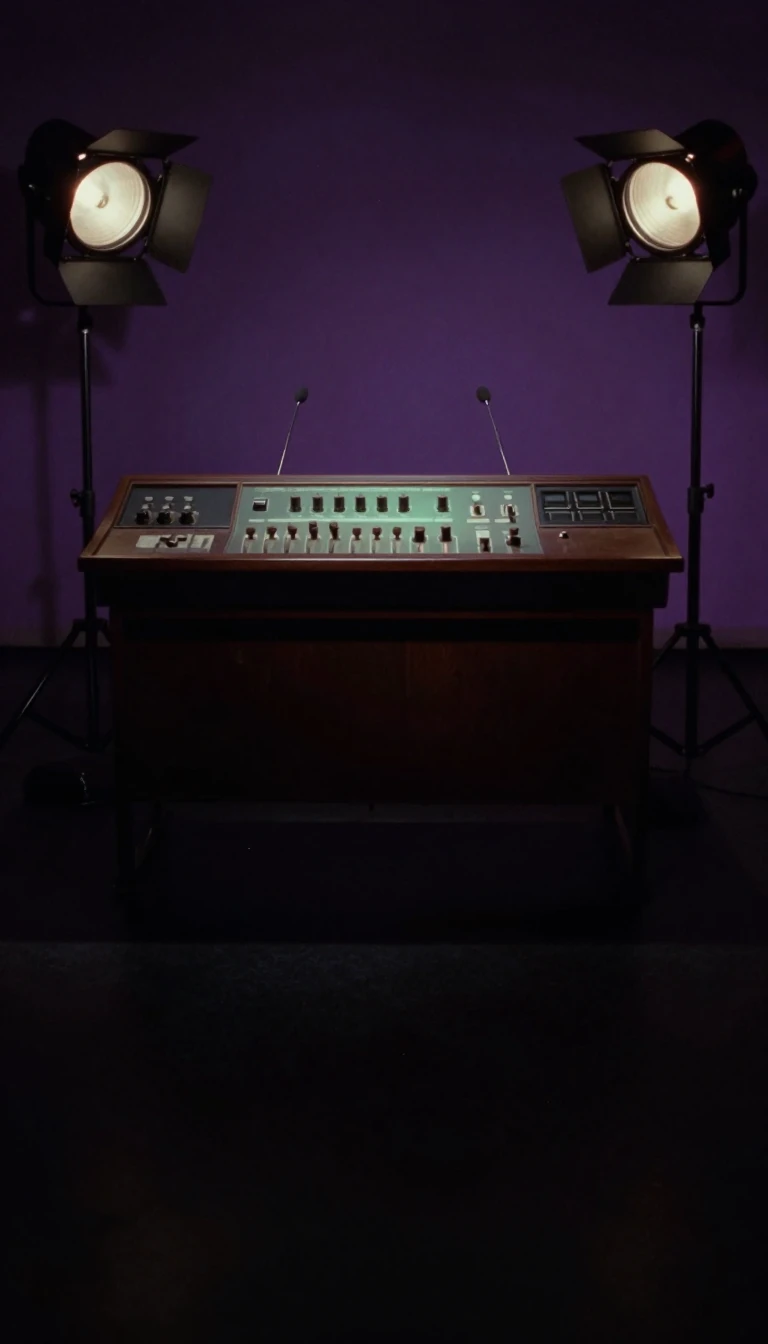
In short: Before it was a global spectacle, the Game Awards began as a failed 1990s televised comedy show. Today, it is a high-stakes production where personal investment and strategic partnerships define the boundary between honoring past achievements and marketing future hits.
The lineage of The Game Awards traces back to 1994, when journalist Geoff Keighley helped write material for Cybermania '94. That show was largely unsuccessful because it prioritized comedy over celebration. This failure served as a blueprint for Keighley's vision: an 'Academy Awards' style ceremony that balanced prestige with entertainment. After years of producing the Spike Video Game Awards (2003–2013), Keighley sought to create something more independent and expansive.
The transition was financially risky. To launch The Game Awards in 2014, Keighley invested approximately US$1 million of his own personal funds. He deliberately declined offers from television networks to maintain creative freedom, opting instead to livestream the show on console networks and Valve's Steam service. This move allowed for a much larger reach than traditional broadcast media could provide. Since 2014, the ceremony has been hosted at the Peacock Theater in Los Angeles.
The show operates on a complex voting mechanism involving over 100 global media publications. While an advisory committee—including representatives from Microsoft, Nintendo, Sony, and AMD—oversees eligibility, they do not vote. Winners are determined by a weighted blend: 90% from the jury of experts (which grew from 28 members in 2016 to over 50 in 2017) and 10% from public fan votes. This structure balances industry authority with community engagement, though critics often debate whether the heavy emphasis on game premieres leans too far into commercial promotion.
The ceremony's identity remains a point of contention. It is frequently lauded for its high-impact reveals—such as the first gameplay of The Legend of Zelda: Breath of the Wild in 2014—but criticized for its treatment of winners and its proximity to corporate partners. This tension was highlighted during the 2021 ceremony, where Keighley's statement on industry misconduct was scrutinized for avoiding naming specific business partners.
Opens the Intellect+ feed with this card first. Swipe up for the next one.
Sources
- Summary by Intellect · source: The Game Awards
- Also: Wikidata — The Game Awards · CC0
- Also: Wikidata — The Game Awards 2022 · CC0
To cite this card, link to https://intellectplus.co.uk/app/places-the-game-awards.
How we source, check and correct cards: Editorial standards.
General information, not professional advice. Spotted an error? Flag the card or see corrections and complaints.
Intellect Plus is a visual educational discovery platform for exploring fascinating facts and ideas. Brain Food, Not Brain Rot. What is Intellect Plus?
Related
More in Cities · More in Countries & Cities · Latest · A–Z · All topics
