The Game Awards 2024 reached 154 million viewers, surpassing major traditional sports and entertainment broadcasts.
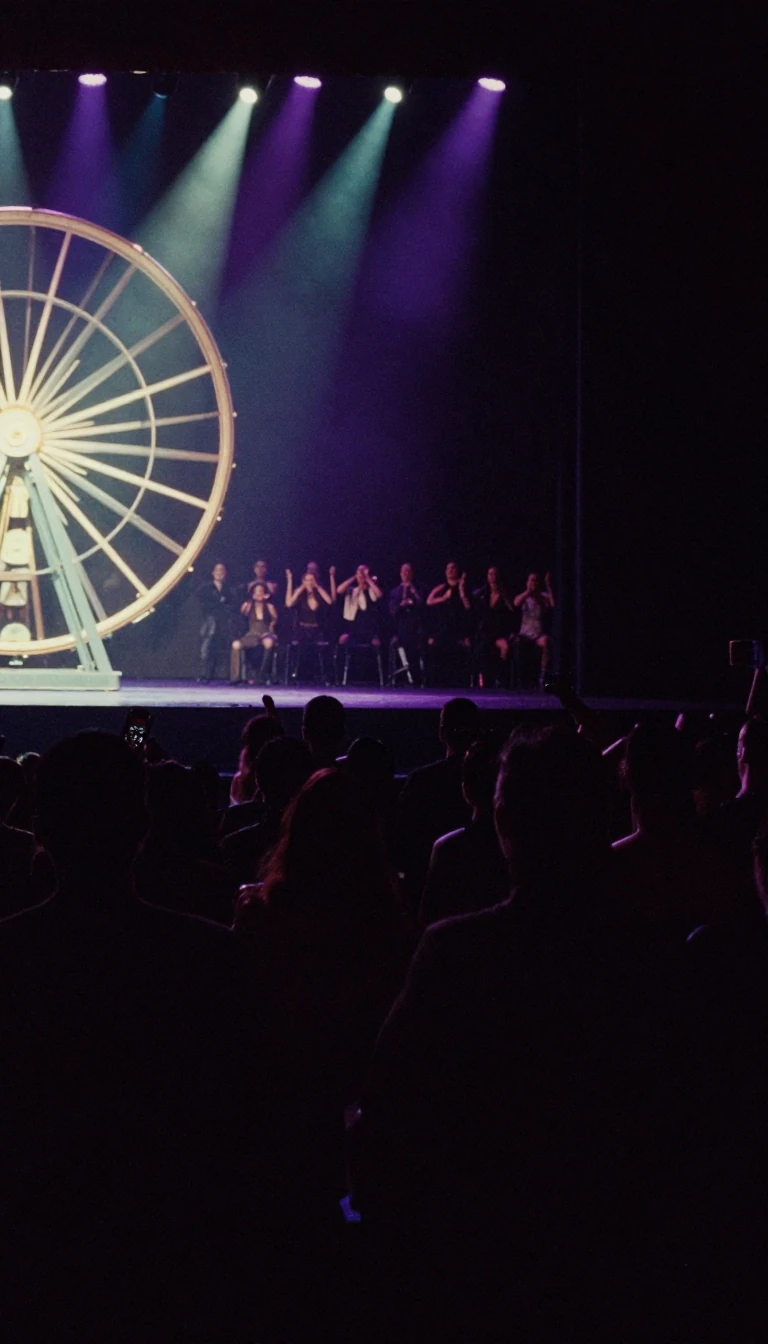
In short: The eleventh annual Game Awards shattered viewership records, drawing 154 million streams—a 31% increase over the previous year. While the ceremony celebrated industry achievements, it also sparked intense debate over the eligibility of downloadable content, the omission of the Future Class initiative, and the cultural impact of its global reach.
The 2024 ceremony, hosted by Geoff Keighley at Los Angeles's Peacock Theater on December 12, marked a significant milestone in the event's history. With 154 million viewers, the show outperformed the average viewership of the Super Bowl by 30 million, while dwarfing the Academy Awards, Grammy Awards, and World Series. This massive digital footprint was supported by over 15,900 co-streamers across platforms like YouTube and Twitch, peaking at four million concurrent viewers. Despite these numbers, critics like Tessa Kaur questioned claims that the event is the world's largest entertainment spectacle, noting that traditional broadcasts like the FIFA World Cup or the Olympics command different viewing patterns.
Controversy defined much of the discourse surrounding the show. The inclusion of Elden Ring: Shadow of the Erdtree as the first DLC nominee for Game of the Year drew mixed reactions; while some praised its scale, others argued it overshadowed standalone titles. Simultaneously, the removal of the Future Class—a program that previously inducted 50 industry figures annually—led to accusations that organizers were attempting to suppress collective criticism. The introduction of the Game Changer award, given to Amir Satvat for his work assisting laid-off developers, was seen by some as a strategic replacement for the Future Class, intended to centralize and control the industry's narrative.
The awards themselves saw Sony Interactive Entertainment dominate with 15 nominations and six wins, including Game of the Year for Astro Bot. Tensions also flared regarding the interpretation of developer speeches. Swen Vincke’s critique of publishers chasing arbitrary sales targets was misinterpreted via poor translation, leading to review-bombing of his own game, Baldur's Gate 3. Similarly, comments from Black Myth: Wukong producer Feng Ji were misconstrued by foreign media, highlighting the complexities of global communication in a digital-first awards landscape. Ultimately, while journalists lauded the improved production and surprising game reveals, the event underscored the ongoing friction between the industry's commercial ambitions and its creative community.
Opens the Intellect+ feed with this card first. Swipe up for the next one.
Sources
- Summary by Intellect · source: The Game Awards 2024
To cite this card, link to https://intellectplus.co.uk/app/culture-the-game-awards-2024.
How we source, check and correct cards: Editorial standards.
General information, not professional advice. Spotted an error? Flag the card or see corrections and complaints.
Intellect Plus is a visual educational discovery platform for exploring fascinating facts and ideas. Brain Food, Not Brain Rot. What is Intellect Plus?
Related
More in Communication · More in Cultures · Latest · A–Z · All topics
