How a technical glitch birthed a British comedy institution
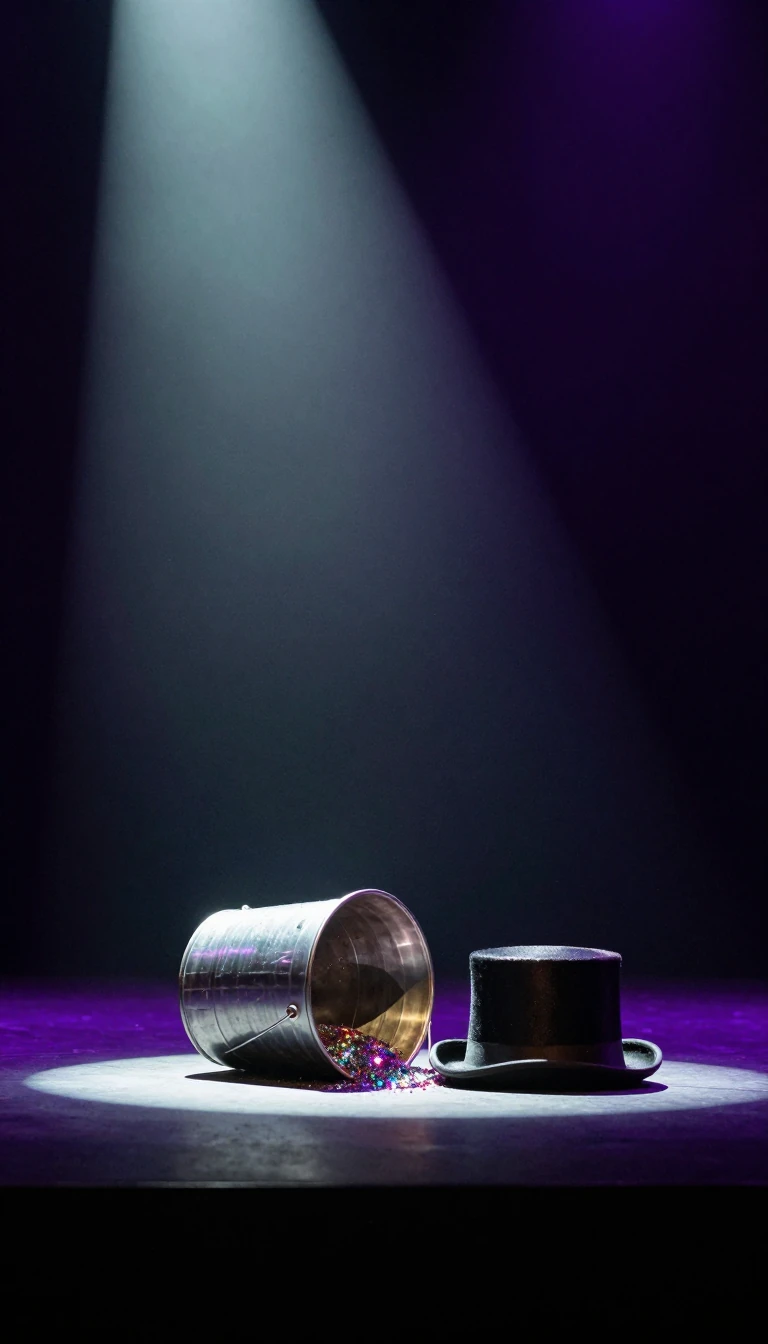
In short: In 1971, a technical failure at a prestigious awards ceremony provided a platform for two unexpected performers. Their unscripted, eleven-minute improvisation was so captivating that it secured them a prime television slot, launching a comedy career that would define a generation of British humor.
In 1963, the Buckstone Club in Haymarket, London, served as the meeting place for Ronnie Barker and Ronnie Corbett. At the time, Barker was establishing himself as a character actor while Corbett was working as a drink server between acting jobs. Their primary chance occurred during a 1971 British Academy of Film and Television Arts ceremony held at the London Palladium. When a technical glitch struck, the pair filled eleven minutes of airtime entirely unprepared and unscripted. Bill Cotton, who led BBC Light Entertainment, noticed this act and promptly advocated for their inclusion on the channel.
The show, which aired from April 10, 1971, to December 25, 1987, was built on the complementary personalities of the two men. Barker often parodied establishment figures and eccentrics, while Corbett served as a quieter foil, frequently engaging in discursive monologues characterized by wild tangents and deliberate anticlimaxes. The program was a variety-style mix of sketches, serial stories, and musical finales. It notably featured contributions from heavyweights of the comedy world, including members of the Monty Python troupe like John Cleese, Eric Idle, and Michael Palin.
While the comedy world was shifting toward absurdist surrealism and satire in the 1970s, the Ronnies carved out a space for traditional humor, focusing on puns, wordplay, and misunderstandings. Their most famous sketch, 'Four Candles,' first aired in 1976 and was later voted their funniest by the public. The show also featured recurring serials, such as the detective stories of Piggy Malone and Charley Farley, and a notable dystopian spoof where gender roles in England were completely reversed, renaming landmarks like Big Ben to 'Big Brenda.'
The success of the show was so significant that in 2006, the British public ranked the duo as the number 6 greatest stars in a poll of ITV's 50 Greatest Stars. Despite their fame as a pair, Barker and Corbett continued to work independently, with Barker even writing sketches under the pseudonym Gerald Wiley.
Opens the Intellect+ feed with this card first. Swipe up for the next one.
Sources
- Summary by Intellect · source: The Two Ronnies
- Also: Wikidata — The Two Ronnies · CC0
- Also: Wikidata — The Two Ronnies · CC0
To cite this card, link to https://intellectplus.co.uk/app/places-the-two-ronnies.
How we source, check and correct cards: Editorial standards.
General information, not professional advice. Spotted an error? Flag the card or see corrections and complaints.
Intellect Plus is a visual educational discovery platform for exploring fascinating facts and ideas. Brain Food, Not Brain Rot. What is Intellect Plus?
Related
More in UK & Irish cities · More in Countries & Cities · Latest · A–Z · All topics
