A hidden masterpiece of the Getae reveals the sophisticated artistry of ancient Thracian royalty
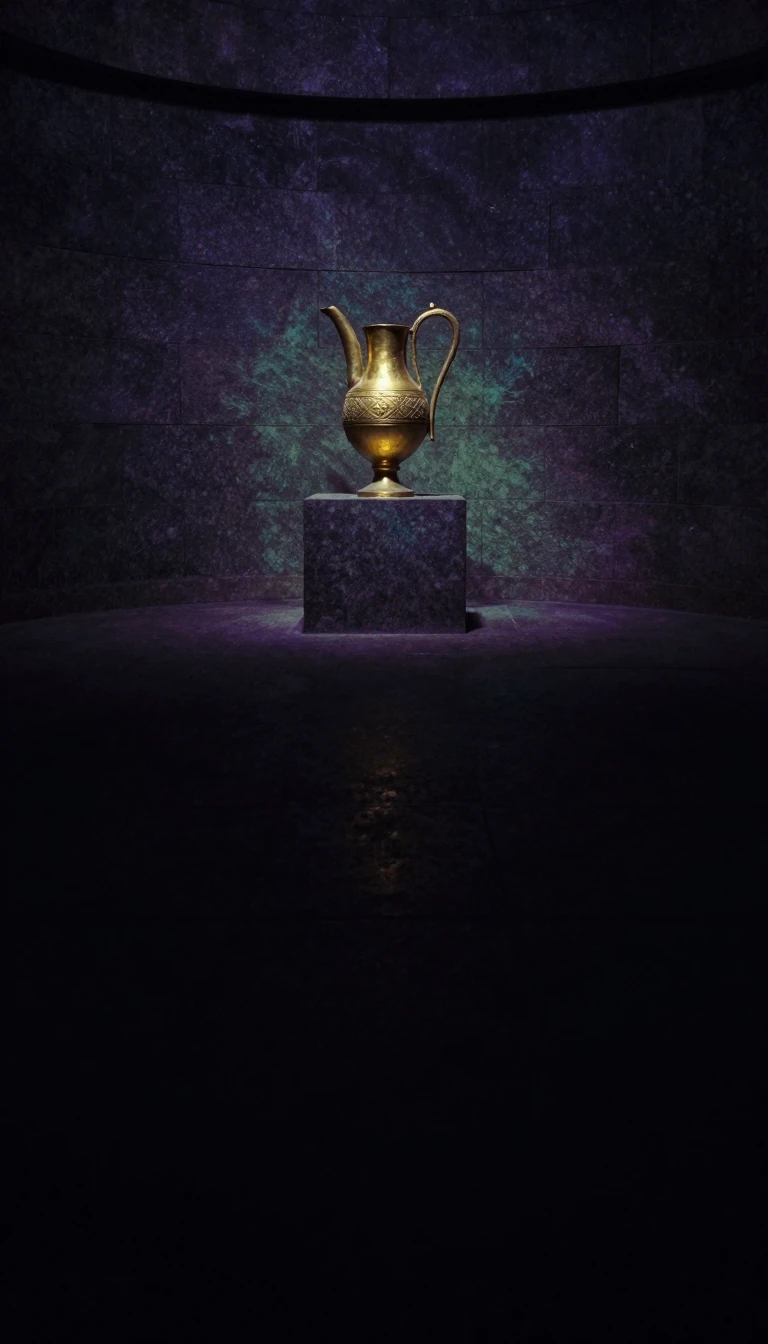
In short: Discovered in 1982, the Thracian Tomb of Sveshtari remains a singular archaeological marvel. Built in the early 3rd century BC, this UNESCO World Heritage site features unique, polychrome caryatids that blend human and botanical forms—a style unseen anywhere else in the ancient Thracian lands. It is a window into a lost world.
The tomb, located in northeast Bulgaria, is widely believed to be the final resting place of the Getic king Dromichaetes and his wife, a daughter of the Macedonian general Lysimachus. Constructed during the first quarter of the 3rd century BC, the structure exemplifies the architectural principles of Thracian cult buildings. Its central chamber is adorned with ten high-relief female figures and intricate vault decorations, representing a rare artistic fusion of Hellenistic and local traditions.
Beyond the tomb itself, the site is part of a broader archaeological landscape that may correspond to the ancient city of Helis. Excavations in the surrounding area have revealed a fortified settlement protected by massive stone walls, which likely thrived between approximately 335 and 250 BC. This city occupied a natural plateau, utilizing the Krapinets River ravines as a defensive barrier, and served as a hub for the Getae, a people who flourished as they navigated the shifting power dynamics of the Macedonian conquests.
The significance of the region was further underscored in 2012, when researchers unearthed a substantial cache of artifacts near the village. This find included a collection of gold items, such as a ring, a hundred buttons, and dozens of small female figurines, recovered from over a hundred burial mounds dating back to the 4th century BC. These discoveries highlight the immense wealth and complex social hierarchy of the Getae, who had previously consolidated their political influence following the decline of Odrysian authority in the 5th century BC.
While the tomb is a definitive monument to Getic culture, it also reflects the tribe's extensive reach. By the latter half of the 4th century BC, the Getae controlled territory on both banks of the lower Danube. The tomb stands as a testament to their unique position at the crossroads of the Hellenistic and Hyperborean worlds, offering a rare, tangible connection to a civilization that once dominated the Balkan landscape.
Opens the Intellect+ feed with this card first. Swipe up for the next one.
Sources
- Summary by Intellect · source: Thracian Tomb of Sveshtari
- Also: Wikidata — Thracian Tomb of Sveshtari · CC0
To cite this card, link to https://intellectplus.co.uk/app/places-thracian-tomb-of-sveshtari.
How we source, check and correct cards: Editorial standards.
General information, not professional advice. Spotted an error? Flag the card or see corrections and complaints.
Intellect Plus is a visual educational discovery platform for exploring fascinating facts and ideas. Brain Food, Not Brain Rot. What is Intellect Plus?
Related
More in Archaeology · More in History · Latest · A–Z · All topics
