Was Tikal the most powerful kingdom of the ancient Maya civilization?
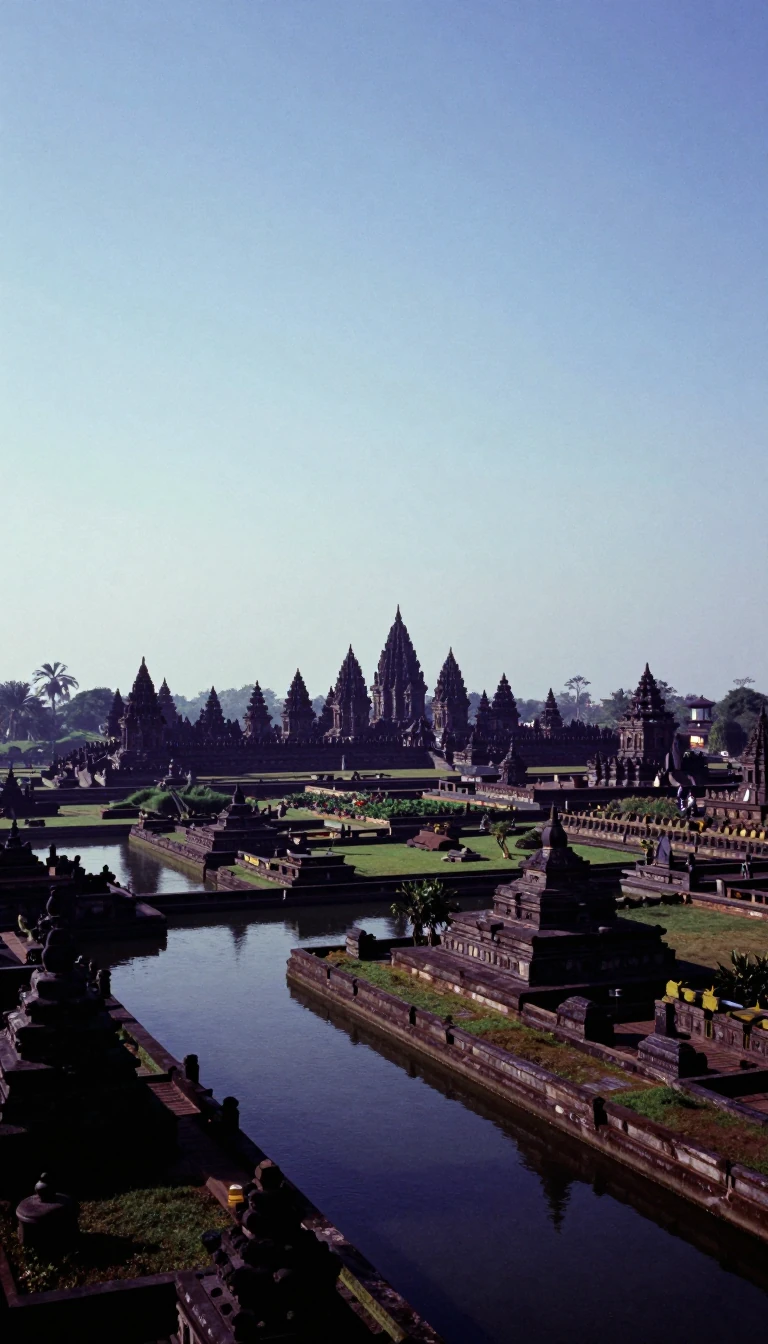
In short: Hidden deep within the rainforests of Guatemala lies Tikal, an expansive urban center that once dominated the Maya region. As the capital of a formidable state, this ancient metropolis reached its peak during the Classic Period, leaving behind a legacy of monumental architecture and a complex history of dynastic rule.
Tikal, likely known in antiquity as Yax Mutal, stands as a testament to the sophistication of the pre-Columbian Maya. Situated within the Petén Basin, the site served as a political, economic, and military powerhouse. While its roots stretch back to the 4th century BC, the city truly flourished during the Classic Period, spanning roughly from 200 to 900 AD. During these centuries, Tikal exerted significant influence across Mesoamerica, maintaining complex interactions with distant urban centers, most notably the great metropolis of Teotihuacan in the Valley of Mexico.
The relationship with Teotihuacan was particularly transformative. Archaeological evidence suggests that in the 4th century AD, conquerors from the distant Mexican valley established one of Tikal's most prominent ruling dynasties. This connection highlights the vast reach of Tikal's political network. Today, Tikal remains the most thoroughly studied of the large lowland Maya cities, providing researchers with an extensive list of dynastic rulers, well-preserved tombs, and a wealth of information regarding its temples, palaces, and monumental structures.
The decline of this once-mighty capital remains a subject of intense historical interest. Following the conclusion of the Late Classic Period, the construction of major monuments ceased, and evidence indicates that elite palaces were subjected to fire. This period of instability coincided with a steady reduction in the local population. By the end of the 10th century, the city was largely abandoned. It remained hidden from the modern world until its rediscovery in 1848, eventually becoming a protected UNESCO World Heritage Site in 1979, safeguarding 570 square kilometers of diverse tropical ecosystems.
Opens the Intellect+ feed with this card first. Swipe up for the next one.
Sources
- Summary by Intellect · source: Tikal
- Also: Wikidata — Tikal · CC0
- Also: Wikidata — Tikal · CC0
To cite this card, link to https://intellectplus.co.uk/app/places-tikal.
How we source, check and correct cards: Editorial standards.
General information, not professional advice. Spotted an error? Flag the card or see corrections and complaints.
Intellect Plus is a visual educational discovery platform for exploring fascinating facts and ideas. Brain Food, Not Brain Rot. What is Intellect Plus?
Related
More in Archaeology · More in History · Latest · A–Z · All topics
