How five of Asia's greatest rivers originate within a single mountain range
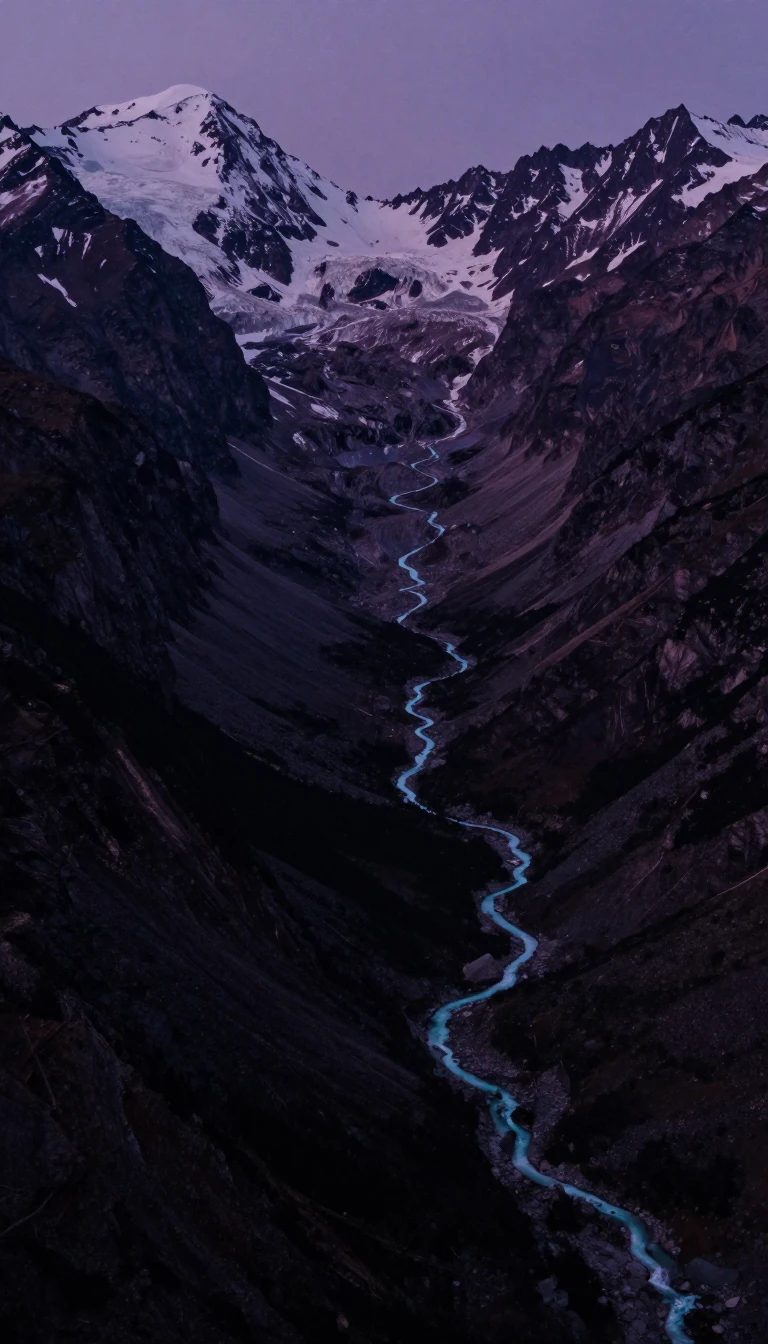
In short: In the Hengduan Mountains of Yunnan, China, three of the world's most significant rivers run side-by-side for over 300 kilometers. This UNESCO World Heritage site is a geological collision point, creating a unique landscape where five major river systems are born from adjacent headwaters in a single, biologically diverse region.
The Three Parallel Rivers of Yunnan Protected Areas encompasses a vast region where the Jinsha, Lancang, and Nujiang rivers flow in close proximity, separated by towering peaks that exceed 6,000 meters. This extraordinary topography is the result of tectonic plate collisions, which have carved out deep gorges and created a variety of climates. Precipitation levels vary dramatically across the site, ranging from 4,600 millimeters in the west to just 300 millimeters in the upper Yangtze valleys.
Beyond the primary three rivers, the region serves as the headwaters for the N'Mai and Lohit rivers, which feed into the Irrawaddy and the Ganges-Brahmaputra systems, respectively. This concentration of major waterways makes the area a critical hydrological hub for the continent. UNESCO has recognized the site for its exceptional biodiversity, suggesting it may be the most biologically diverse temperate zone on the planet. The protected areas span 15 core zones and include diverse biomes, such as temperate coniferous and broadleaf forests.
The ecological richness is matched by significant cultural diversity. The region is home to many of Yunnan's ethnic groups, including the Tibetan, Nu, Lisu, Bai, Pumi, Naxi, and the Derung people. These communities often maintain traditional attire as part of their daily lives. The area's natural wealth includes approximately 6,000 plant species, 173 mammal species, and 417 bird species, with many endemic varieties such as the black snub-nosed monkey and the Yunnan nuthatch. This unique intersection of geology, biology, and human culture earned the region its World Heritage status in 2003.
Scientific interest in the region dates back to the 19th century, with explorers like Pierre Jean Marie Delavay and Joseph Rock documenting its rugged terrain and botanical treasures. Today, the site remains a focal point for ecological study, with ongoing assessments of its environmental security. From the Tiger Leaping Gorge to the Meili Snow mountain range, the protected areas continue to offer a glimpse into one of the most complex and vibrant landscapes in Asia.
Opens the Intellect+ feed with this card first. Swipe up for the next one.
Sources
- Summary by Intellect · source: Three Parallel Rivers
- Also: Wikidata — Three Parallel Rivers National Park · CC0
- Also: Wikidata — Three Parallel Rivers World Natural Heritage Hongshan District Ecological Security Assessment · CC0
To cite this card, link to https://intellectplus.co.uk/app/places-three-parallel-rivers.
How we source, check and correct cards: Editorial standards.
General information, not professional advice. Spotted an error? Flag the card or see corrections and complaints.
Intellect Plus is a visual educational discovery platform for exploring fascinating facts and ideas. Brain Food, Not Brain Rot. What is Intellect Plus?
Related
More in World Heritage Sites · More in Countries & Cities · Latest · A–Z · All topics
