A Thai Wildlife Sanctuary Born from a Helicopter Crash and Political Upheaval
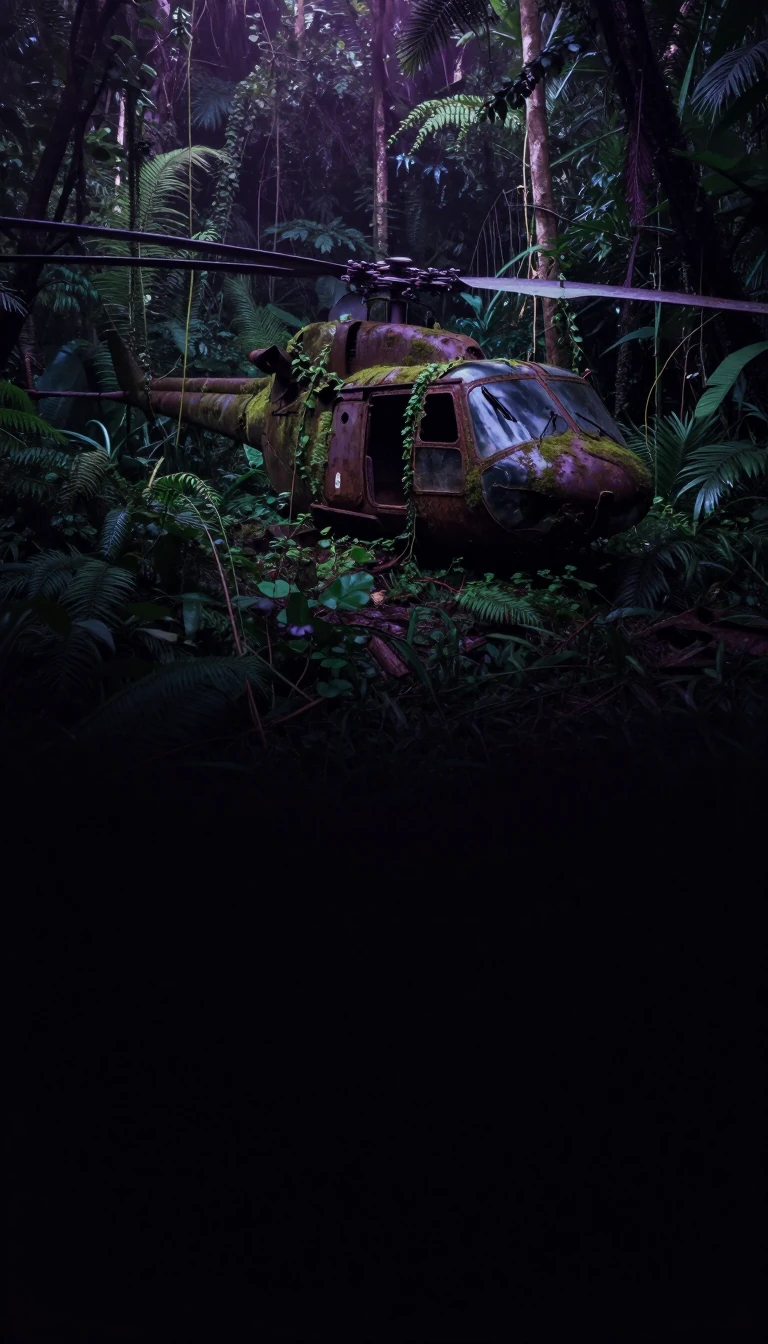
In short: Thung Yai Naresuan is Thailand's largest protected area, a biodiversity hotspot at the crossroads of four biogeographic zones. Yet, its path to preservation was paved by scandal: a 1973 military helicopter crash revealed elite poachers, triggering a national uprising that eventually led to the sanctuary's official protection and UNESCO status.
Located along the border with Burma, the Thung Yai Naresuan Wildlife Sanctuary spans over 3,600 square kilometres of mountainous terrain. It serves as the core of the Western Forest Complex, the largest contiguous protected area in mainland Southeast Asia. The region is a unique botanical and zoological junction, where the terminal ridges of the eastern Himalayas meet the equatorial forests of the Sunda Shelf. This specific location supports a rare mix of species, including tigers, elephants, and tapirs, alongside a diverse array of flora ranging from montane evergreen forests to unique dry dipterocarp formations.
The sanctuary's history is deeply intertwined with the Karen people, who have inhabited the region for centuries. While the UNESCO nomination highlights the area's 'undisturbed nature,' this narrative often ignores the long-standing presence of indigenous communities. Despite evidence suggesting their traditional land-use systems are sustainable, government authorities have frequently attempted to resettle these populations, labeling them as threats to the environment. This tension persists, as the state continues to exert pressure on these communities to leave their ancestral homelands.
The sanctuary’s protection status was hard-won. In the 1960s and 70s, the area faced intense pressure from logging, mining, and hydroelectric dam projects. The turning point came in April 1973, when a military helicopter crashed, exposing a group of high-ranking officers and elites engaged in an illegal hunting party. The public outrage following this scandal contributed to the 14 October 1973 uprising, which ended the ruling military regime. Later, in 1988, a massive public campaign successfully blocked the construction of the Nam Choan Dam, which would have flooded a significant portion of the forest. These events solidified the area's status as a sacrosanct site for conservationists, though it remains a target for illegal poaching by the wealthy, who often view hunting as a display of social power.
Today, managing this vast landscape remains a daunting task. With only about 200 staff members to patrol over 1.3 million rai, resources are stretched thin. Each ranger is responsible for policing thousands of rai, often with limited equipment. Despite these challenges, the sanctuary remains a critical habitat for endangered species and a symbol of the ongoing struggle between commercial interests, indigenous rights, and the preservation of Thailand's natural heritage.
Opens the Intellect+ feed with this card first. Swipe up for the next one.
Sources
- Summary by Intellect · source: Thung Yai Naresuan Wildlife Sanctuary
To cite this card, link to https://intellectplus.co.uk/app/places-thung-yai-naresuan-wildlife-sanctuary.
How we source, check and correct cards: Editorial standards.
General information, not professional advice. Spotted an error? Flag the card or see corrections and complaints.
Intellect Plus is a visual educational discovery platform for exploring fascinating facts and ideas. Brain Food, Not Brain Rot. What is Intellect Plus?
Related
More in World Heritage Sites · More in Countries & Cities · Latest · A–Z · All topics
