The Tibesti Mountains are a massive volcanic fortress rising from the Sahara's heart.
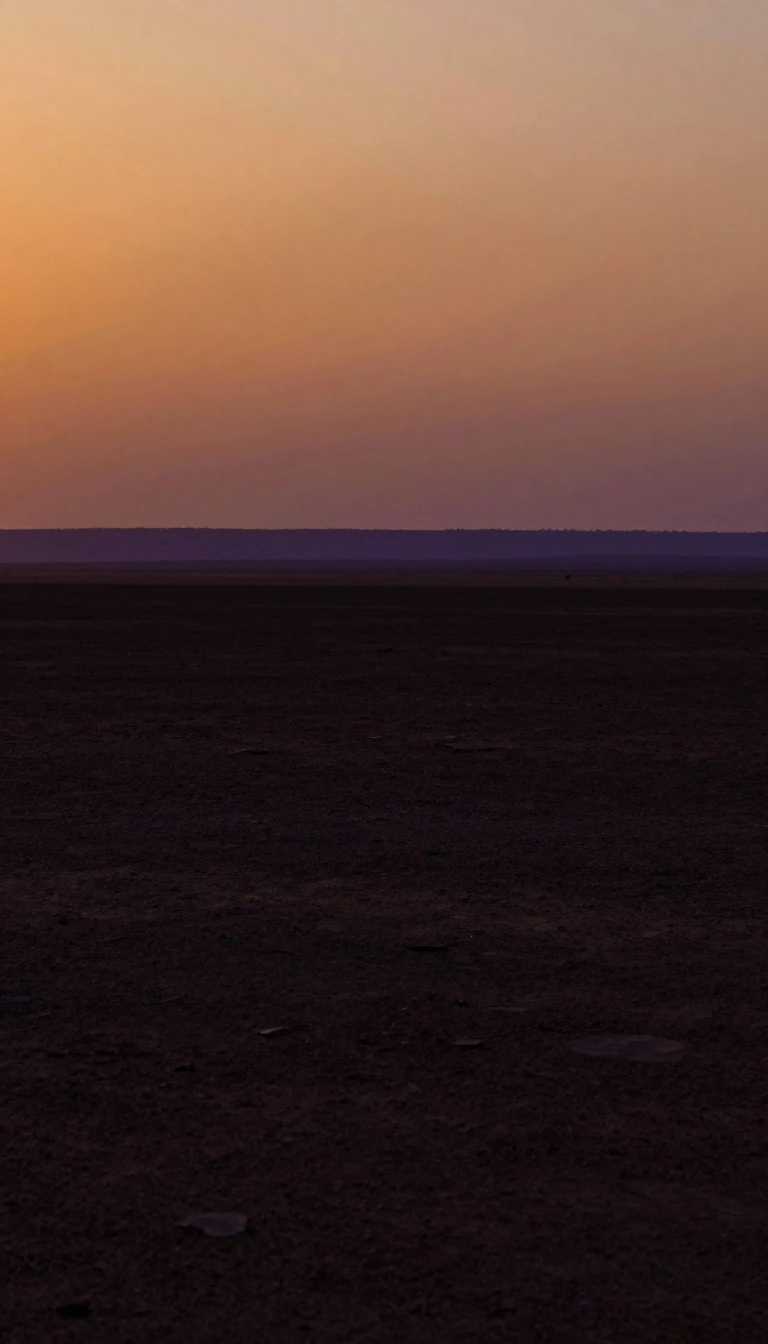
In short: Spanning 100,000 square kilometers, the Tibesti range is the largest in the Sahara. This rugged volcanic landscape, home to the Toubou people for centuries, acts as an ecological island. Its high-altitude peaks and hidden canyons harbor unique flora and fauna, surviving in a desert where water is a rare, precious commodity.
The Tibesti Mountains represent a vast, triangular uplift in the central Sahara, primarily located in northern Chad. Rising to an average elevation of about 2,000 meters, the range is dominated by volcanic activity that began during the Oligocene. Its highest peak, Emi Koussi, reaches 3,415 meters, serving as the highest point in both Chad and the entire Sahara Desert. The landscape is defined by five massive shield volcanoes and extensive lava plateaus, known as tarsos, which have been carved by irregular, ephemeral rivers called enneris.
The region is the ancestral home of the Toubou people, who have inhabited the range since at least the 5th century BC. Their name, which translates to 'people of the mountains,' reflects their deep connection to this natural fortress. The Toubou have historically adapted to the harsh environment by utilizing rare oases and gueltas—natural water basins replenished by infrequent, violent storms. This isolation has preserved a unique Saharomontane ecosystem, distinct from the surrounding desert, housing endangered species like the addax and Barbary sheep.
Geologically, the Tibesti is a complex site of tectonic uplift and volcanic evolution. While many of its volcanoes are now inactive, some, such as Tarso Toussidé, have shown activity within the last two millennia. The presence of fumaroles, hot springs, and mud pools—such as those at the Soborom geothermal field—attests to the lingering heat beneath the surface. These features, alongside evidence of ancient lakes and denser vegetation from the Late Pleistocene, reveal a landscape that has undergone dramatic climatic shifts over millennia.
Despite its natural grandeur, the Tibesti remains largely unexplored and difficult to access. Political instability, the lack of infrastructure, and the inherent danger of the terrain have complicated scientific study and tourism. The mountains continue to be a place of mystery, where the interplay of volcanic geology, shifting climate patterns, and the resilience of the Toubou people create a singular, enduring environment in the heart of the world's largest hot desert.
Opens the Intellect+ feed with this card first. Swipe up for the next one.
Sources
- Summary by Intellect · source: Tibesti Mountains
- Also: Wikidata — Tibesti Mountains · CC0
To cite this card, link to https://intellectplus.co.uk/app/places-tibesti-mountains.
How we source, check and correct cards: Editorial standards.
General information, not professional advice. Spotted an error? Flag the card or see corrections and complaints.
Intellect Plus is a visual educational discovery platform for exploring fascinating facts and ideas. Brain Food, Not Brain Rot. What is Intellect Plus?
Related
More in Land relief · More in Countries & Cities · Latest · A–Z · All topics
