Tobago holds the Caribbean record for changing hands, shifting control 33 times in history.
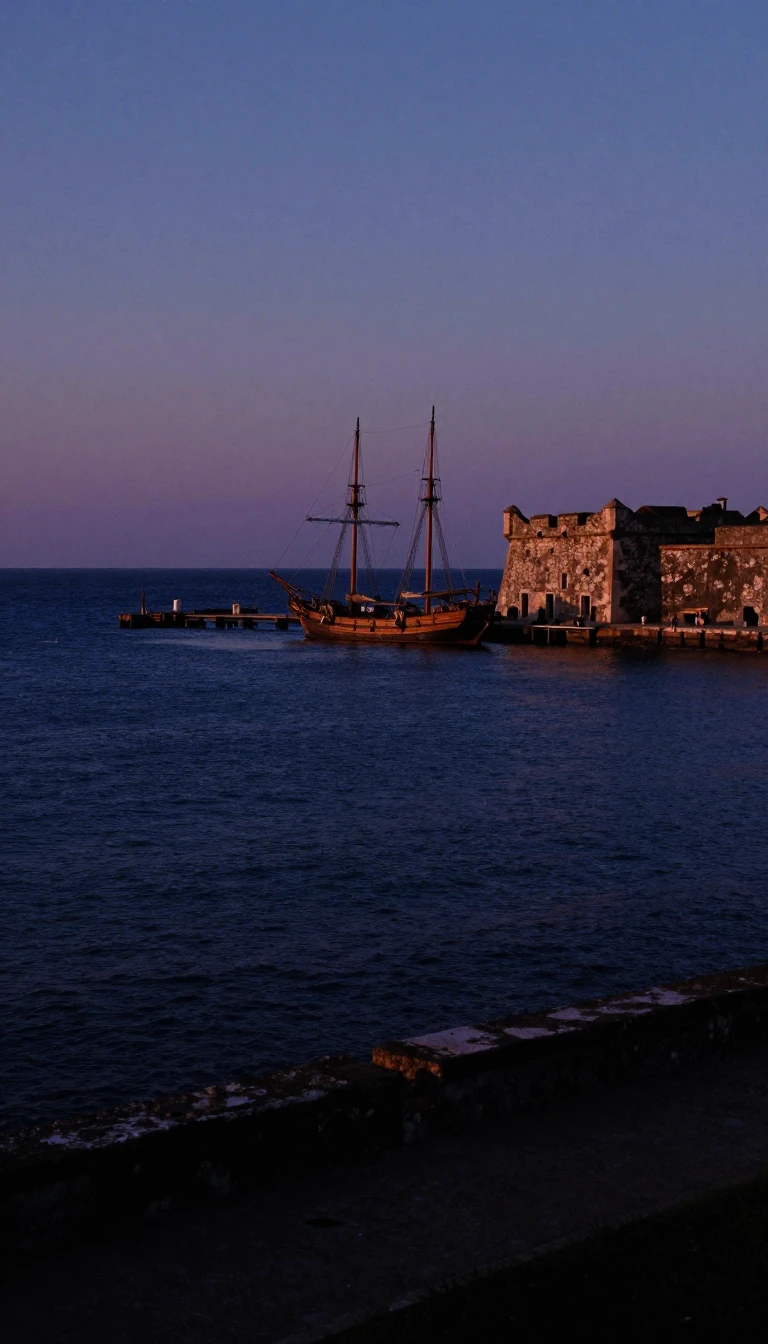
In short: This small island, once named for its resemblance to a giant snail, has been a strategic prize for European powers for centuries. From its origins as a hub for Indigenous trade to its modern identity as a protected ecological sanctuary, Tobago’s story is defined by constant, turbulent transformation.
Tobago’s history is a testament to its strategic value. Before European arrival, the island served as a critical connection point for the Kalina and Kalinago peoples. By 1498, Christopher Columbus had sighted the island, but it was not until 1511 that a Spanish royal order authorized slave raids, which devastated the local population. Over the following centuries, the island became a focal point for colonial ambition, with Dutch, English, French, Swedish, and Couronian forces vying for control. This intense competition led to the island changing hands 33 times, a record in Caribbean history, before it was finally ceded to the British in 1814.
The island's economy has undergone equally dramatic shifts. During the 18th century, plantation culture flourished, with the British importing enslaved Africans to produce sugar, cotton, and indigo. However, the 19th century brought collapse due to the end of slavery in 1834, a catastrophic hurricane in 1847, and global market competition. By 1889, Tobago was downgraded to a ward of Trinidad. The 20th century saw further upheaval, notably when Hurricane Flora in 1963 destroyed the island's agricultural base, forcing a pivot toward tourism and government-led employment.
Today, Tobago is recognized for its environmental significance, hosting the Western Hemisphere's oldest protected rainforest, the Main Ridge Reserve, established in 1776. While the island remains politically linked to Trinidad, its governance has evolved through the Tobago House of Assembly, revived in 1980. Recent political shifts, including the 2025 general election, have further redefined the island's role in national affairs. Despite its small size of 300 square kilometres, Tobago remains a distinct entity, balancing its history as a colonial battleground with its current status as a vital center for biodiversity and ecotourism.
Opens the Intellect+ feed with this card first. Swipe up for the next one.
Sources
- Summary by Intellect · source: Tobago
- Also: Wikidata — Tobago · CC0
- Also: Wikidata — Tobago · CC0
To cite this card, link to https://intellectplus.co.uk/app/places-tobago.
How we source, check and correct cards: Editorial standards.
General information, not professional advice. Spotted an error? Flag the card or see corrections and complaints.
Intellect Plus is a visual educational discovery platform for exploring fascinating facts and ideas. Brain Food, Not Brain Rot. What is Intellect Plus?
Related
More in Cities · More in Countries & Cities · Latest · A–Z · All topics
