Port of Spain: From Muddy Mangroves to a Caribbean Financial Powerhouse
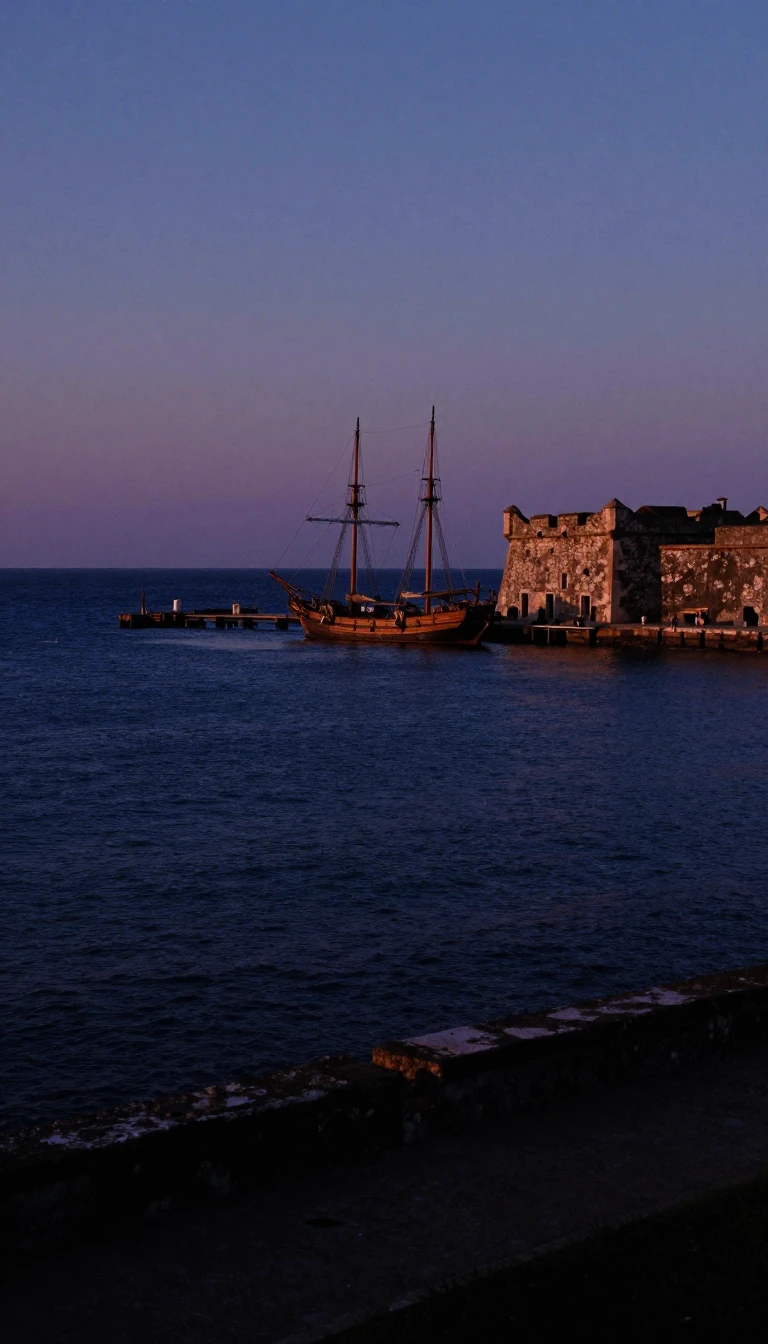
In short: The capital of Trinidad and Tobago began as a humble Spanish outpost built on tidal mudflats. Today, it serves as a vital Caribbean shipping hub and financial center, defined by its unique grid layout, a massive traffic roundabout, and a skyline dominated by some of the region's tallest skyscrapers.
Founded by the Spanish as Puerto España near the Amerindian village of Cumucurapo, the city’s early history was defined by its geography. In the 16th and 17th centuries, the settlement consisted of simple mud-plastered structures nestled among silk cotton trees. The site was captured during Walter Raleigh’s 1595 expedition, and it remained a modest outpost until 1757, when Governor Don Pedro de la Moneda transferred the capital from the inland town of San José de Oruña. The city’s modern grid layout was established in the late 18th century, a period marked by rapid growth following the 1783 Cedula of Population, which encouraged French Catholic settlement.
The city’s expansion required significant engineering feats. In 1787, Governor Don José Maria Chacón diverted the flood-prone St. Ann’s River to allow the city to grow northward and westward. Later, in 1803, the city began reclaiming land from the Gulf of Paria using fill from the Laventille Hills. This process continued through the 19th and 20th centuries, eventually creating the space for the modern downtown district. Despite being destroyed by fire in 1808, the city rebuilt with brick, evolving into a commercial center that served as the temporary capital of the short-lived West Indies Federation from 1958 to 1962.
Today, Port of Spain is the heart of a metropolitan area of approximately 600,000 people. While the municipal population is relatively small, the city remains the region's economic engine, home to the Trinidad and Tobago Stock Exchange and the country's largest container port. It is a city of contrasts: upscale districts like St. Clair feature grand mansions, while the Laventille hills—the site of a 1560 Spanish garrison—are recognized as the birthplace of the steelpan. From the world's largest traffic roundabout at Queen’s Park Savannah to the industrial production of Angostura bitters, the city remains a central, if complex, pillar of Caribbean life.
Opens the Intellect+ feed with this card first. Swipe up for the next one.
Sources
- Summary by Intellect · source: Port of Spain
- Also: Wikidata — Port of Spain · CC0
- Also: www.britannica.com — Port of Spain | Trinidad and Tobago, Map, & Facts | Britannica
- Also: Wikidata — Port of Spain General Hospital · CC0
To cite this card, link to https://intellectplus.co.uk/app/places-port-of-spain.
How we source, check and correct cards: Editorial standards.
General information, not professional advice. Spotted an error? Flag the card or see corrections and complaints.
Intellect Plus is a visual educational discovery platform for exploring fascinating facts and ideas. Brain Food, Not Brain Rot. What is Intellect Plus?
Related
More in Capital cities · More in Countries & Cities · Latest · A–Z · All topics
