Toubkal is the highest peak in North Africa, standing 4,167 metres above sea level.
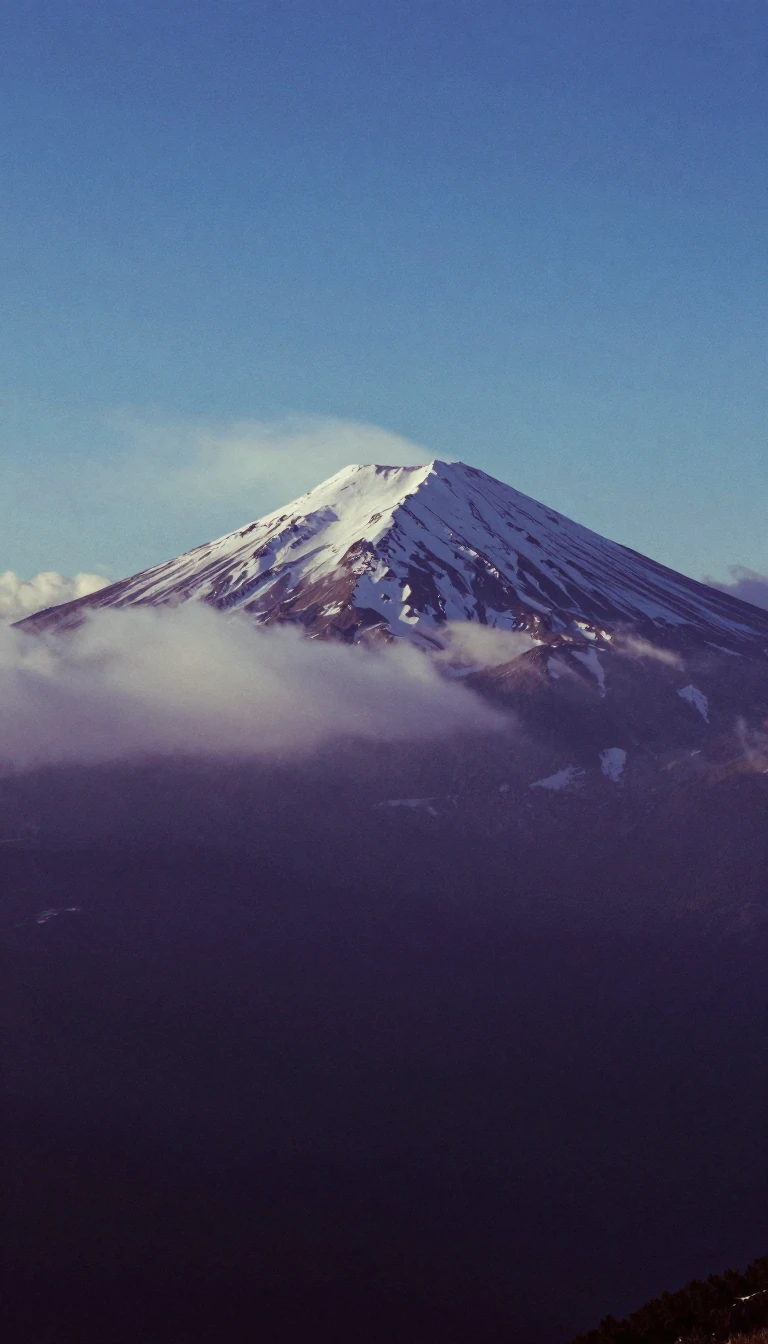
In short: Visible from Marrakesh, this volcanic giant serves as the crown of the Atlas Mountains. While it is a non-technical climb for those with good fitness, the ascent demands respect for its altitude and shifting weather. From its pyramidal summit, the entire range unfolds in a breathtaking, high-altitude panorama.
Located 63 kilometres south of Marrakesh, Toubkal is an ultra-prominent peak that dominates the landscape of central Morocco. Unlike much of the surrounding High Atlas, which is composed of sedimentary rock, the Toubkal massif is defined by volcanic formations weathered into sharp alpine crests and deep valleys. The mountain reaches a height of 4,167 metres, making it the highest point in the Arab world and the Atlas range.
The standard approach for trekkers begins in the village of Imlil. Most climbers spend two days on the mountain, typically staying overnight at one of the two stone-built refuges situated at 3,207 metres. While the ascent is considered non-technical, it is physically demanding. In summer, hikers must contend with steep, slippery scree slopes and potential altitude sickness. During the winter and spring, the environment changes significantly, requiring crampons and ice axes to navigate snow and ice, with the added risk of avalanches.
The first documented successful climb occurred on 12 June 1923, led by a group including the Marquis de Segonzac, Vincent Berger, and Hubert Dolbeau. Although this is the earliest recorded summit, it is possible others reached the peak earlier. Today, the summit is marked by a large metal pyramid. While the mountain remains a popular destination for trekkers and ski mountaineers, it has also seen tragedy, including a terror-related attack in December 2018 that claimed the lives of two hikers near the trail's base.
Navigation is generally straightforward, and many visitors hire local guides and porters to assist with equipment. Whether choosing the popular southern route via the Ikhibi Sud hanging valley or the less-frequented northern path, climbers are rewarded with views that stretch across the Atlas and Little Atlas Mountains. Despite its accessibility, the mountain remains a serious environment where freezing conditions can occur even in summer at elevations above 3,500 metres.
Opens the Intellect+ feed with this card first. Swipe up for the next one.
Sources
- Summary by Intellect · source: Toubkal
- Also: Wikidata — Toubkal · CC0
To cite this card, link to https://intellectplus.co.uk/app/places-toubkal.
How we source, check and correct cards: Editorial standards.
General information, not professional advice. Spotted an error? Flag the card or see corrections and complaints.
Intellect Plus is a visual educational discovery platform for exploring fascinating facts and ideas. Brain Food, Not Brain Rot. What is Intellect Plus?
Related
More in Mountain peaks and volcanos · More in Countries & Cities · Latest · A–Z · All topics
