Rising 7,500 meters from the ocean floor, Teide is Spain's highest and most sacred peak.
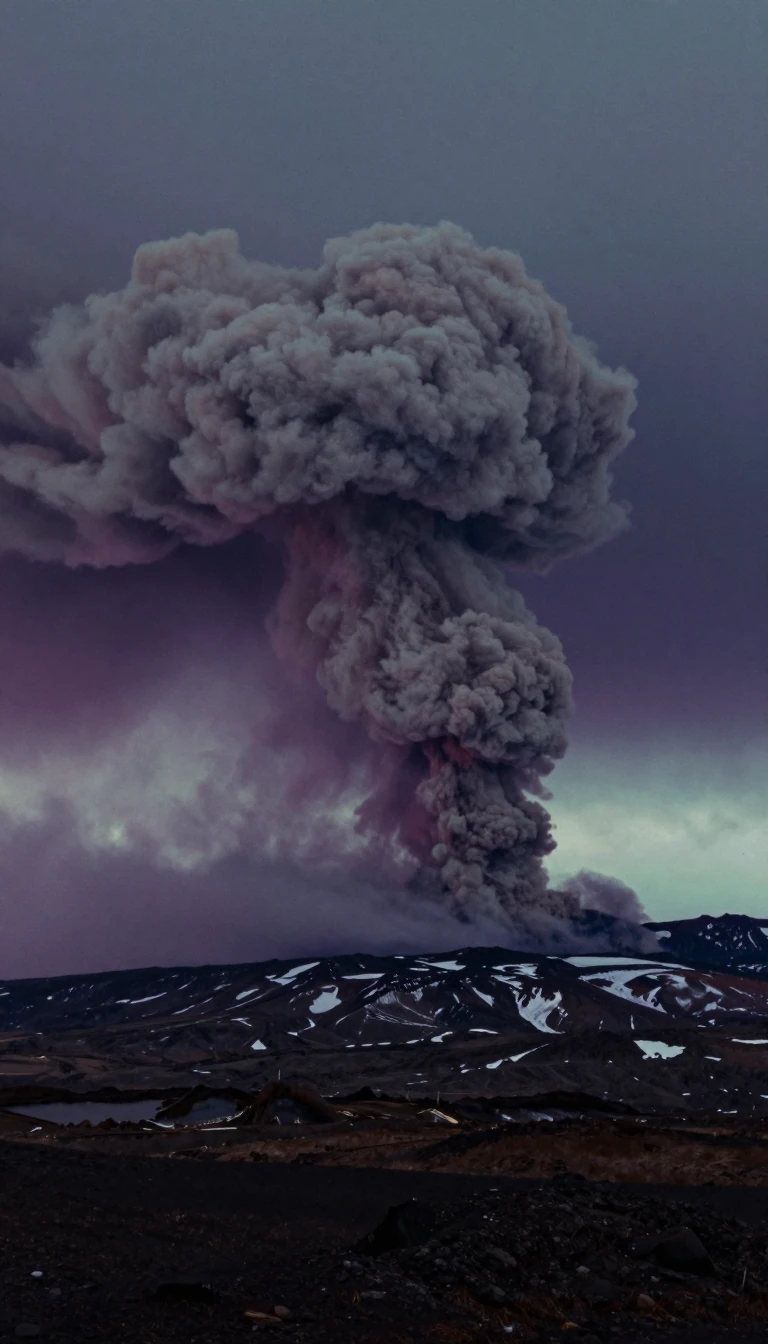
In short: Towering over Tenerife, the stratovolcano Teide is the third-tallest volcanic structure on Earth. Once feared by the indigenous Guanches as the home of the demon Guayota, this active peak remains a site of intense scientific debate, historical exploration, and record-breaking tourism, drawing over five million visitors to its unique, high-altitude ecosystem.
Teide is a massive stratovolcano located on the Spanish island of Tenerife. While its summit reaches 3,715 meters above sea level—making it the highest point in Spain and the Atlantic Ocean—its true scale is revealed when measured from the ocean floor, where it stands 7,500 meters tall. This places it behind only Mauna Loa and Mauna Kea as the world's third-tallest volcanic structure. The mountain sits within the Las Cañadas caldera, a vast, horseshoe-shaped depression formed by catastrophic landslides and volcanic collapses that occurred roughly 150,000 to 200,000 years ago.
For the aboriginal Guanches, Teide was a mythological, sacred site. They believed the mountain held up the sky and served as the prison for Guayota, an evil figure often depicted as a black dog. During eruptions, the Guanches lit bonfires to ward off the demon and his host of spirits. This cultural reverence parallels ancient Greek and Roman beliefs regarding Mount Etna and the god Vulcan, illustrating a universal human tendency to associate volcanic power with divine or malevolent forces.
Today, Teide is a UNESCO World Heritage Site and the most visited national park in Europe. Despite its status as an active volcano—with its last eruption occurring in 1909—it supports a specialized ecosystem. Its slopes host 168 vascular plant species, including the Teide violet, which thrives at the very summit. Scientific opinion on the volcano's future remains divided; while some assessments suggest a low hazard level based on recent eruptive rates, other studies argue that its structural instability and similarity to Vesuvius indicate a potential for violent future activity.
The mountain has long captivated explorers, from Alexander von Humboldt, who climbed it in 1799 to study its volcanic origins, to modern adventurers. It remains a complex geological puzzle, as its persistent volcanic activity across the entire Canary archipelago challenges standard hotspot theories, fueling ongoing debate among geologists about the convection processes occurring deep within the Earth's mantle.
Opens the Intellect+ feed with this card first. Swipe up for the next one.
Sources
- Summary by Intellect · source: Teide
- Also: Wikidata — Teide · CC0
- Also: Wikidata — Teide · CC0
To cite this card, link to https://intellectplus.co.uk/app/places-teide.
How we source, check and correct cards: Editorial standards.
General information, not professional advice. Spotted an error? Flag the card or see corrections and complaints.
Intellect Plus is a visual educational discovery platform for exploring fascinating facts and ideas. Brain Food, Not Brain Rot. What is Intellect Plus?
Related
More in Mountain peaks and volcanos · More in Countries & Cities · Latest · A–Z · All topics
