Why this iconic 15th-century bell tower was built completely detached from its cathedral
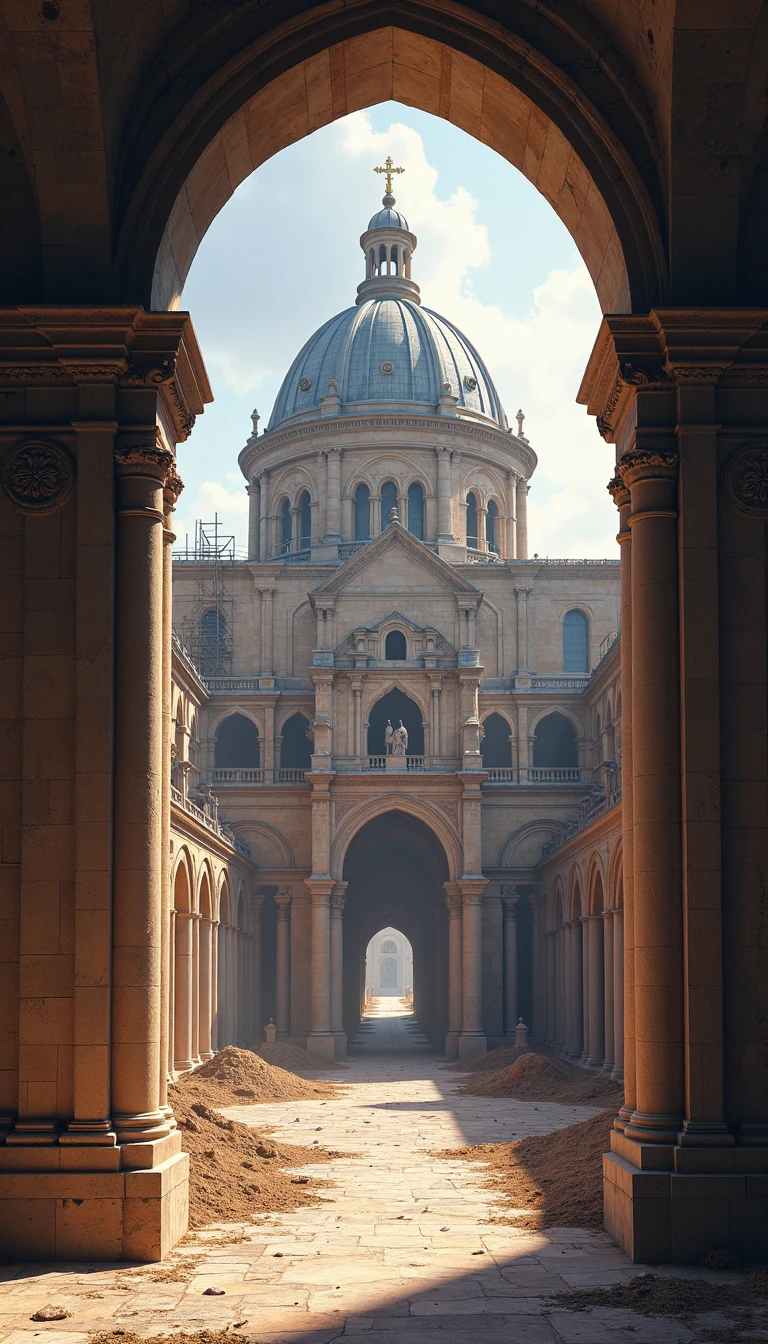
In short: Standing apart from the Bordeaux Cathedral, the Tour Pey-Berland was designed as a separate structure to shield the main church from the intense vibrations of its heavy bells. Though intended for worship, this architectural marvel spent centuries serving as a residence and even a lead factory before finally finding its voice.
Commissioned by Archbishop Pey Berland, the tower was constructed between 1440 and 1500. Its isolated position was a deliberate engineering choice, intended to protect the structural integrity of the cathedral from the resonance of the bells. Despite this grand design, the church initially lacked the funds to purchase bells, leaving the tower empty of its intended purpose for centuries. Instead, it served as a residential space until 1790, after which it was repurposed as a lead factory.
The tower eventually fulfilled its original role after 1851, when bells were finally installed. Today, the structure houses four bells across two levels. The lower level contains two massive bells, Marie and the bourdon Ferdinand-André II. The latter replaced an 11-ton predecessor that cracked upon delivery and had to be melted down. These large bells were originally hung dead to prevent structural damage, though they gained the ability to swing by 2026. The upper level holds two smaller bells, Marguerite and Clémence, which have been operated by electric motors since 1925.
Visitors today can experience the tower's unique history firsthand by climbing its 230 steps. The ascent offers a panoramic view of Bordeaux, providing a vantage point that highlights the tower's distinct separation from the cathedral. While the bells now chime for services, masses, weddings, and funerals, the tower remains a testament to the practical challenges of medieval architecture and the evolving utility of religious monuments over the centuries.
The bells were cast by the Bollée foundry in Le Mans, reflecting the technical craftsmanship of the era. The transition from a residential and industrial site back to a functional bell tower illustrates the complex life cycle of historic landmarks. By managing the vibrations through both physical isolation and modern electric controls, the Tour Pey-Berland successfully balances its 15th-century origins with the demands of contemporary use.
Opens the Intellect+ feed with this card first. Swipe up for the next one.
Sources
- Summary by Intellect · source: Tour Pey-Berland
- Also: Wikidata — Tour Pey-Berland · CC0
To cite this card, link to https://intellectplus.co.uk/app/places-tour-pey-berland.
How we source, check and correct cards: Editorial standards.
General information, not professional advice. Spotted an error? Flag the card or see corrections and complaints.
Intellect Plus is a visual educational discovery platform for exploring fascinating facts and ideas. Brain Food, Not Brain Rot. What is Intellect Plus?
Related
More in World Heritage Sites · More in Countries & Cities · Latest · A–Z · All topics
