New Zealand's oldest national park is a sacred landscape shaped by volcanic fire
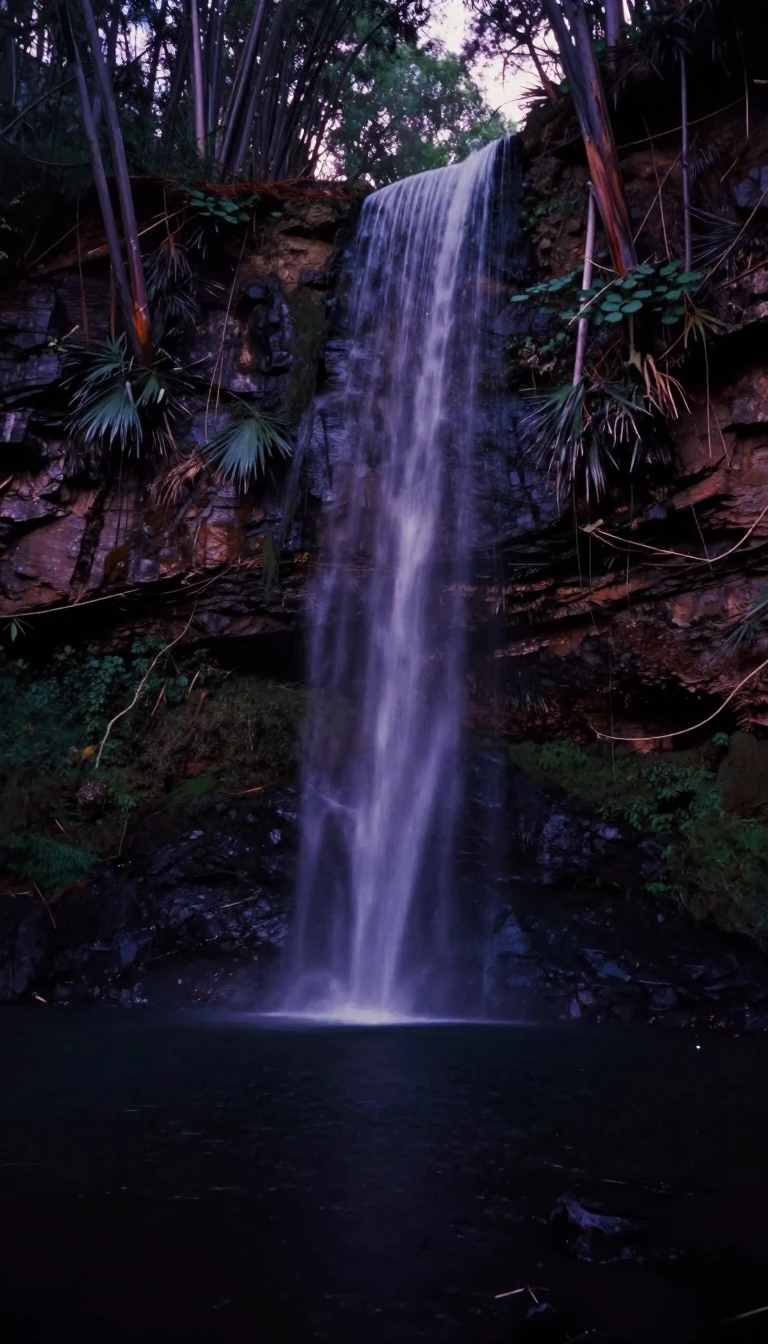
In short: Tongariro National Park is a dual-heritage site where active volcanoes meet deep Māori spiritual tradition. While famous for its dramatic alpine scenery and world-class hiking, the park is also a living cultural landscape where the mountains themselves are revered as ancestors and protected by ancient tapu.
Established as New Zealand's first national park, Tongariro is the sixth oldest in the world. It encompasses 795.96 square kilometers of the central North Island, dominated by the active volcanoes Ruapehu, Ngauruhoe, and Tongariro. These peaks are part of a 2,500-kilometer volcanic range formed by the subduction of the Pacific Plate beneath the Australian Plate, a process that has been building the landscape for over two million years.
The park's significance extends far beyond its geology. For local iwi, including Ngāti Tūwharetoa and Ngāti Rangi, the mountains are personified, sacred, and deeply connected to their history. In 1887, chief Te Heuheu Tūkino IV gifted the mountain peaks to the Crown to protect them from European settlement, establishing a reserve that would eventually become the national park. This act of stewardship remains central to the park's identity, and the Waitangi Tribunal has spent years investigating claims to ensure iwi maintain a role in managing these spiritually significant sites.
Today, the park is a complex intersection of recreation and reverence. While it hosts popular ski fields and the famed Tongariro Alpine Crossing, the Department of Conservation has issued advisories against summiting the peaks, respecting the Māori belief that standing on these sacred mountains is akin to standing on the heads of ancestors. This tension between tourism and tradition is managed through ongoing cultural redress, which seeks to protect the environment while honoring the traditional relationships between the land and its indigenous guardians.
The environment itself is remarkably diverse, ranging from temperate rainforests and beech forests to alpine ecosystems and the stark, desert-like Rangipo plateau. Because of its unique combination of natural volcanic phenomena and profound Māori cultural heritage, UNESCO recognized the park as a World Heritage Site in 1990, later granting it dual-heritage status in 1993 to formally acknowledge its spiritual importance.
Opens the Intellect+ feed with this card first. Swipe up for the next one.
Sources
- Summary by Intellect · source: Tongariro National Park
- Also: Wikidata — Tongariro National Park · CC0
- Also: Wikidata — Tongariro National Park Bylaws 1981 · CC0
To cite this card, link to https://intellectplus.co.uk/app/places-tongariro-national-park.
How we source, check and correct cards: Editorial standards.
General information, not professional advice. Spotted an error? Flag the card or see corrections and complaints.
Intellect Plus is a visual educational discovery platform for exploring fascinating facts and ideas. Brain Food, Not Brain Rot. What is Intellect Plus?
Related
More in World Heritage Sites · More in Countries & Cities · Latest · A–Z · All topics
