The Big Egg: How a pressurized Tokyo stadium became a cultural icon
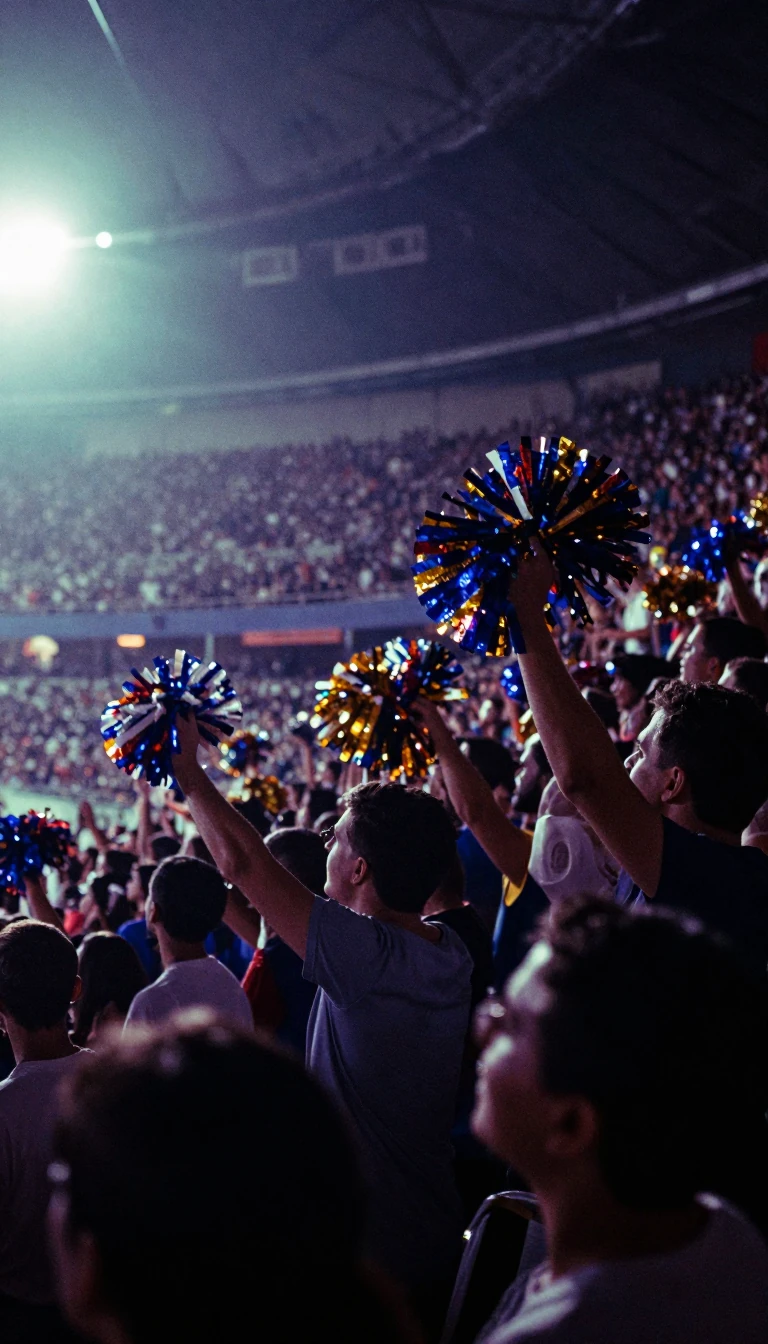
In short: Tokyo Dome is more than a baseball field; it is a marvel of air-supported engineering. Known as The Big Egg, this venue redefined Japanese entertainment, hosting everything from historic boxing upsets to record-breaking concerts. Discover the mechanics behind its roof and the legacy of its legendary stage.
Opened on March 17, 1988, in Bunkyō, Tokyo, the Tokyo Dome was designed as a successor to the nearby Korakuen Stadium. Its most striking feature is its dome-shaped roof, an air-supported structure composed of a 0.8 mm flexible fiberglass membrane. To maintain its shape, the stadium relies on independent blowers that pressurize the interior with 150,000 cubic meters of air per hour. Developed by Nikken Sekkei and Takenaka Corporation, the design was modeled after the Hubert H. Humphrey Metrodome in the United States.
Beyond its engineering, the venue serves as the home field for the Yomiuri Giants and houses the Japanese Baseball Hall of Fame. Its versatility has allowed it to host a wide array of international events, including the World Baseball Classic and the first regular-season Major League Baseball games ever played in Asia, which took place in 2000. The stadium's capacity is flexible, reaching a maximum of 57,000 depending on the configuration, though it is often set to an all-seating arrangement of 42,000.
The stadium is also a premier destination for global music acts and professional wrestling. Since 1992, New Japan Pro-Wrestling has held its annual Wrestle Kingdom event there, an occasion often compared to WrestleMania in terms of scale. Musically, the venue has seen legendary performances from artists like Michael Jackson, Madonna, and Mariah Carey, the latter of whom famously sold out 200,000 tickets in under an hour during her 1998 tour. Today, the stadium remains the centerpiece of Tokyo Dome City, a sprawling entertainment complex built on the grounds of the former Tokyo Koishikawa Arsenal.
Opens the Intellect+ feed with this card first. Swipe up for the next one.
Sources
- Summary by Intellect · source: Tokyo Dome
- Also: Wikidata — Tokyo Dome · CC0
- Also: Wikidata — Tokyo Dome · CC0
To cite this card, link to https://intellectplus.co.uk/app/places-tokyo-dome.
How we source, check and correct cards: Editorial standards.
General information, not professional advice. Spotted an error? Flag the card or see corrections and complaints.
Intellect Plus is a visual educational discovery platform for exploring fascinating facts and ideas. Brain Food, Not Brain Rot. What is Intellect Plus?
Related
More in World Heritage Sites · More in Countries & Cities · Latest · A–Z · All topics
