Why Tromsø Airport uses a steeper landing approach than almost anywhere else on Earth
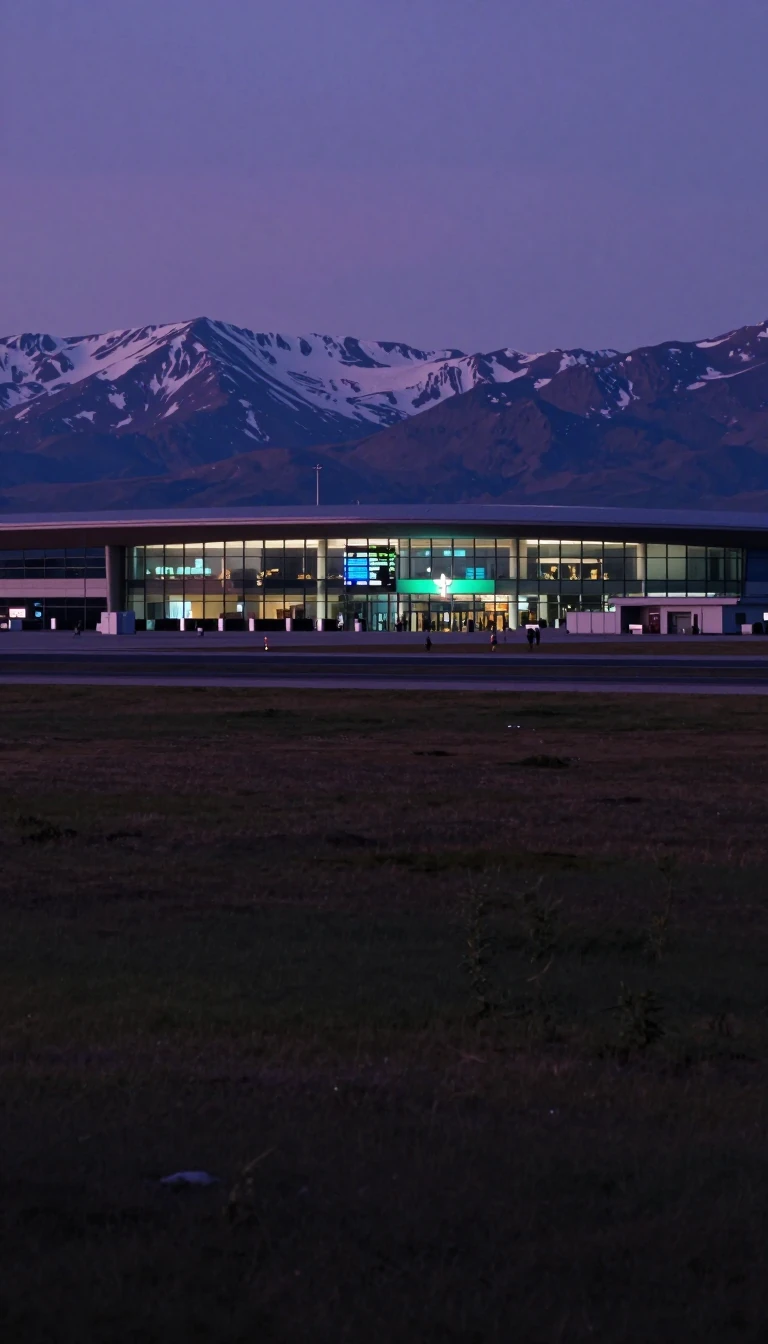
In short: Nestled on the island of Tromsøya, this Norwegian airport faces a unique geographic challenge. Because of the high terrain surrounding the site, pilots cannot use the standard three-degree glide slope. Instead, they must navigate a steeper four-degree descent, a necessary adaptation for one of the Nordic region's busiest hubs.
Tromsø Airport, located at Langnes, serves as a vital gateway to Northern Norway. Before the current facility opened on 14 September 1964, the city relied on a water aerodrome at Skattøra, which had been established in the 1930s. The transition to a land-based airport was driven by the need to accommodate larger, faster aircraft, moving away from the limitations of seaplanes that had previously connected the region to Trondheim and Oslo.
The development of the Langnes site was a result of intense local lobbying. Politicians in the 1950s were determined to secure a modern airfield, eventually convincing national authorities to extend the runway to 2,000 meters. This infrastructure allowed the airport to evolve into a major hub for regional flights, particularly for Widerøe, while also hosting international connections. By 2014, the facility handled over 1.9 million passengers and thousands of aircraft movements, cementing its status as the fifth-busiest airport in Norway.
The airport's physical layout is defined by its environment. The runway, aligned north-south, is equipped with a category I instrument landing system. However, the proximity of high terrain forces a specific technical requirement: a 4.0-degree glide slope for both directions, which is steeper than the standard 3.0-degree approach used globally. This design ensures safe passage for jetliners and regional aircraft alike, which operate from a complex of two terminals—the 1977 'banana' building and the newer Terminal A, opened in 1997.
Today, the airport remains a critical node for both domestic travel and specialized operations, including helicopter bases for Barents Sea petroleum prospecting. Its evolution from a simple seaplane base to a sophisticated international transit point reflects the broader development of Northern Norwegian aviation, balancing the constraints of rugged Arctic geography with the demands of modern commercial flight.
Opens the Intellect+ feed with this card first. Swipe up for the next one.
Sources
- Summary by Intellect · source: Tromsø Airport
- Also: Wikidata — Tromsø Airport · CC0
- Also: Wikidata — Tromsø Airport, Skattøra · CC0
To cite this card, link to https://intellectplus.co.uk/app/places-troms-airport.
How we source, check and correct cards: Editorial standards.
General information, not professional advice. Spotted an error? Flag the card or see corrections and complaints.
Intellect Plus is a visual educational discovery platform for exploring fascinating facts and ideas. Brain Food, Not Brain Rot. What is Intellect Plus?
Related
More in Regions and country subdivisions · More in Countries & Cities · Latest · A–Z · All topics
