How a shifting Pacific climate fueled a year of extreme storms
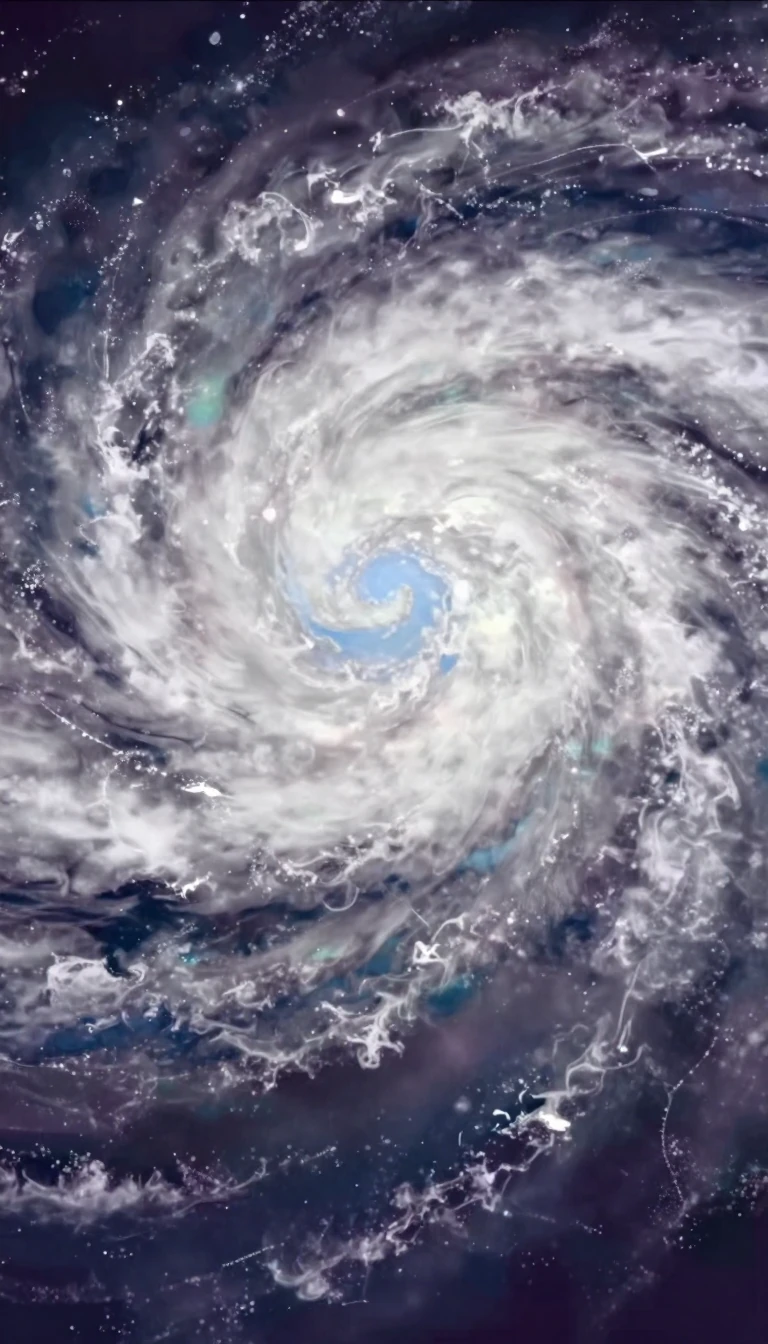
In short: In 2026, the atmosphere underwent a dramatic transformation. As the Pacific transitioned from La Niña to El Niño, the global weather patterns shifted, triggering explosive intensification in some basins while leaving others in an unseasonable, wind-sheared lull.
The year began under weak-to-neutral La Niella conditions, which drove heightened activity across the Southern Hemisphere, particularly in the Australian region and the South-West Indian Ocean. However, by mid-2026, sea surface temperature anomalies in the central and eastern equatorial Pacific signaled a rapid shift toward El Niño. This warming trend had a dual effect: it suppressed Atlantic activity through high vertical wind shear—limiting the basin to just two named storms, Arthur and Bertha, by July—while simultaneously supercharging the Eastern, Central, and Western Pacific basins.
This intensification produced some of the year's most formidable systems. In the Eastern Pacific, Hurricane Polo underwent explosive intensification on September 20, adding 110 mph to its wind speeds in just 24 hours to reach a peak of 180 mph. With a minimum central pressure of 892 hPa, Polo became the second-most intense Pacific hurricane on record. Meanwhile, in the Western Pacific, the warming waters supported Super Typhoon Sinlaku in April and the devastating Typhoon Dujuan in September, the latter of which brought record-breaking rainfall to Japan's Kanto region.
The economic and human costs of these shifts were significant. In the Western Pacific, Tropical Storm Maysak caused 171 deaths, and Typhoon Dolphin resulted in approximately US$4.12 billion in damages, primarily in China. Even in the South Atlantic, the year saw a rare meteorological milestone: the simultaneous existence of two subtropical cyclones near Rio De Janeiro in late February. By late September, the total accumulated cyclone energy across all seven basins reached 617.7 units, reflecting a year defined by volatile atmospheric transitions.
Opens the Intellect+ feed with this card first. Swipe up for the next one.
Sources
- Summary by Intellect · source: Tropical cyclones in 2026
To cite this card, link to https://intellectplus.co.uk/app/places-tropical-cyclones-in-2026.
How we source, check and correct cards: Editorial standards.
General information, not professional advice. Spotted an error? Flag the card or see corrections and complaints.
Intellect Plus is a visual educational discovery platform for exploring fascinating facts and ideas. Brain Food, Not Brain Rot. What is Intellect Plus?
Related
More in Countries and other regions · More in Countries & Cities · Latest · A–Z · All topics
