Why the 2023 Pacific typhoon season defied expectations with record-low activity
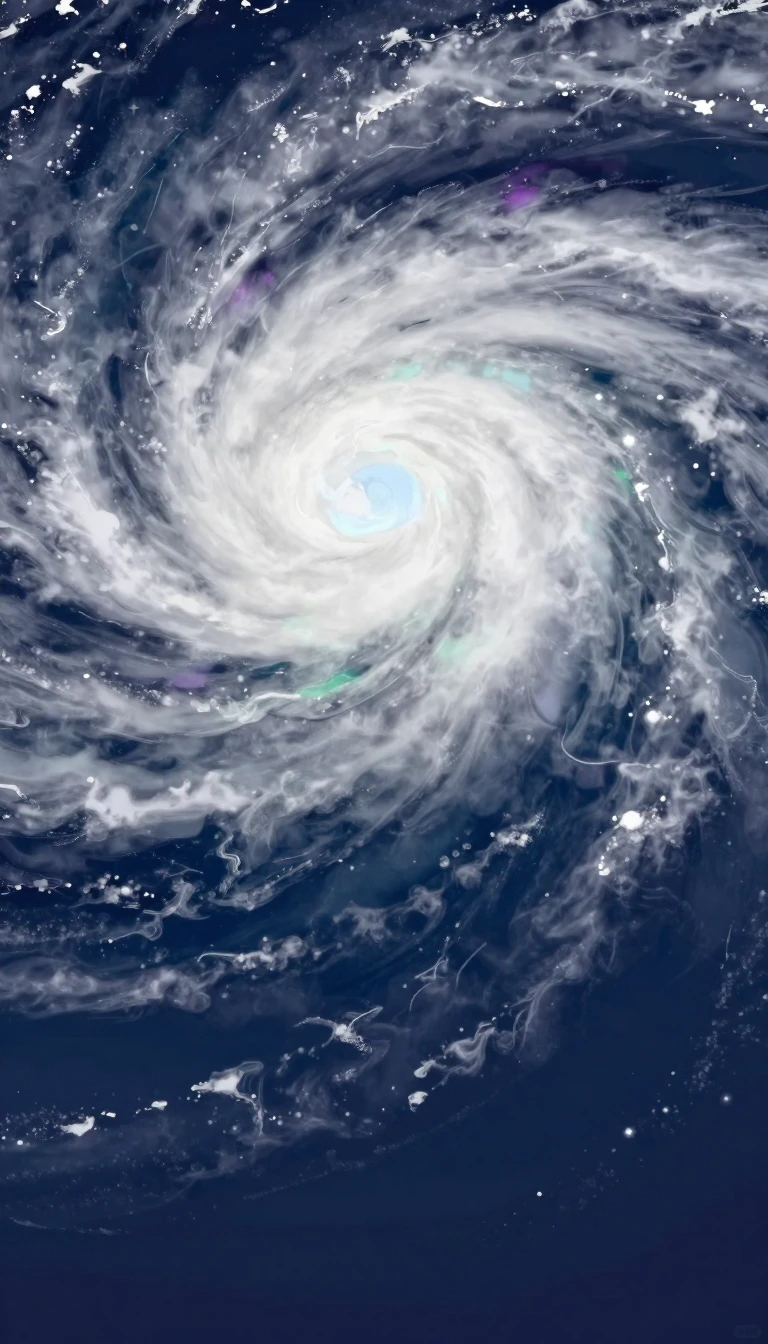
In short: The 2023 western North Pacific typhoon season was a paradox. While El Niño conditions typically supercharge storm formation, the basin saw record-low activity. New research reveals this wasn't a uniform suppression, but a tug-of-war between competing atmospheric and oceanic forces that shifted dramatically as the seasons changed.
The western North Pacific is the most active tropical cyclone basin on the planet, usually governed by remote oceanic forcing like the El Niño–Southern Oscillation. In 2023, however, this standard model failed to explain the season's behavior. Despite large-scale ocean conditions that should have been unfavorable, summer tropical cyclone genesis remained near climatological averages. This resilience was driven by a weakened Indian summer monsoon, which triggered an atmospheric Kelvin-wave response, creating a cyclonic circulation anomaly that effectively countered the ocean-forced anticyclone.
This delicate balance collapsed as the year progressed. By autumn, the influence of remote ocean forcing became dominant, leading to unprecedented suppression of storm formation and driving the season to its record-low minimum. This seasonal asymmetry highlights a critical, often overlooked pathway: the variability of the Indian summer monsoon can directly counteract basin-scale oceanic forcing, acting as a regulator for tropical cyclone activity in the western North Pacific.
Understanding this competition is vital for improving predictive models. While the 2023 season saw only 17 named storms—making it the third-least active on record—it remained highly destructive. Typhoons like Doksuri and Haikui caused significant damage across China, Taiwan, and the Philippines, proving that low total numbers do not necessarily equate to low impact. The interplay between monsoon variability and oceanic forcing remains a key area of study for meteorologists seeking to refine long-term climate predictions.
Opens the Intellect+ feed with this card first. Swipe up for the next one.
Sources
- Summary by Intellect · source: Monsoon–ocean competition shapes the record-low 2023 western North Pacific tropical cyclone season - npj Climate and Atmospheric Science
- Also: 2023 Pacific typhoon season
To cite this card, link to https://intellectplus.co.uk/app/nature-2023-pacific-typhoon-season.
How we source, check and correct cards: Editorial standards.
General information, not professional advice. Spotted an error? Flag the card or see corrections and complaints.
Intellect Plus is a visual educational discovery platform for exploring fascinating facts and ideas. Brain Food, Not Brain Rot. What is Intellect Plus?
Related
More in Air · More in Nature · Latest · A–Z · All topics
