The 2014–2016 El Niño was a record-tying climate titan
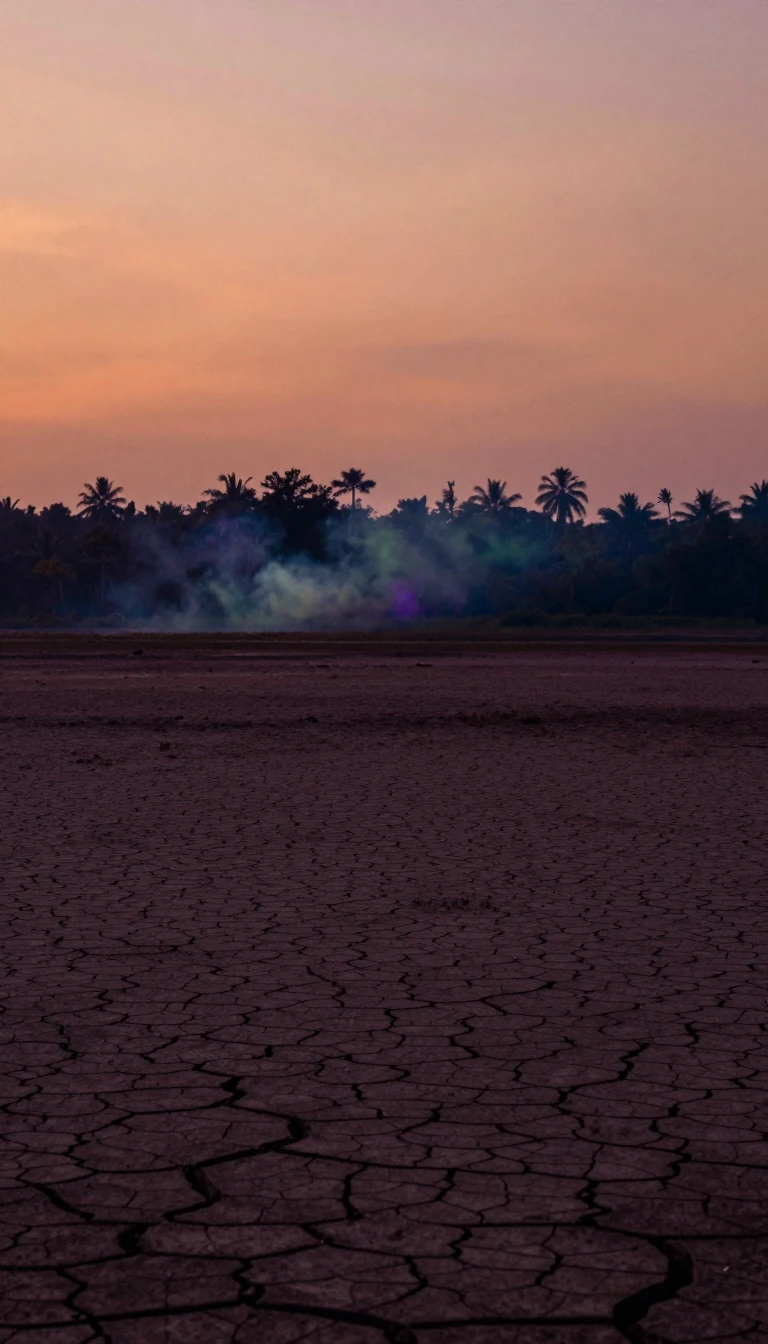
In short: It wasn't just another warm spell. This massive Pacific event tied the 1997–98 phenomenon for the strongest on record, triggering a global chain reaction of extreme weather, from unprecedented Australian bushfires to devastating droughts in the Pacific islands.
The 2014–2016 El Niño event was characterized by unusually warm waters stretching from the South American coast to the International Date Line. While some agencies initially viewed the 2014 onset as a 'near miss,' the event eventually intensified. By late 2015, the Oceanic Niño Index (ONI) peaked at 2.3 °C, a value that tied with the 1997–98 event for the strongest recorded.
The atmospheric and oceanic mechanisms were profound. In the Pacific, westerly wind bursts and Kelvin waves drove changes, while the Pacific Decadal Oscillation simultaneously maintained high sea surface temperatures in the northeastern Pacific. These shifts displaced tropical cyclone activity; while the Central Pacific saw a record 16 cyclones in 2015, the Australian region experienced its least active season since the 1950s, with only three named storms.
The human and environmental costs were immense. In Africa, the event contributed to severe food insecurity, with 10 million people at risk in Ethiopia alone. Extreme temperatures and minimal precipitation triggered unprecedented coral bleaching within the Great Barrier Reef, while also driving fierce Tasmanian bushfires that scorched sections of the Tasmanian Wilderness World Heritage Area untouched by flame for hundreds of years. Conversely, the event brought heavy rainfall to parts of the United States, including a record-breaking snowstorm in New York City.
Even marine ecosystems and economies were upended. Tuna schools migrated from Papua New Guinea toward Kiribati, allowing the latter to earn significant revenue from fishing licenses. Nevertheless, such thermal pressure proved devastating for certain reefs, with scientists documenting coral depletion reaching 90% at Kiritimati research locations.
Opens the Intellect+ feed with this card first. Swipe up for the next one.
Sources
- Summary by Intellect · source: 2014–2016 El Niño event
To cite this card, link to https://intellectplus.co.uk/app/places-2014-2016-el-ni-o-event.
How we source, check and correct cards: Editorial standards.
General information, not professional advice. Spotted an error? Flag the card or see corrections and complaints.
Intellect Plus is a visual educational discovery platform for exploring fascinating facts and ideas. Brain Food, Not Brain Rot. What is Intellect Plus?
Related
More in World Heritage Sites · More in Countries & Cities · Latest · A–Z · All topics
