Was the legendary Majapahit capital a sprawling metropolis or a collection of walled compounds?
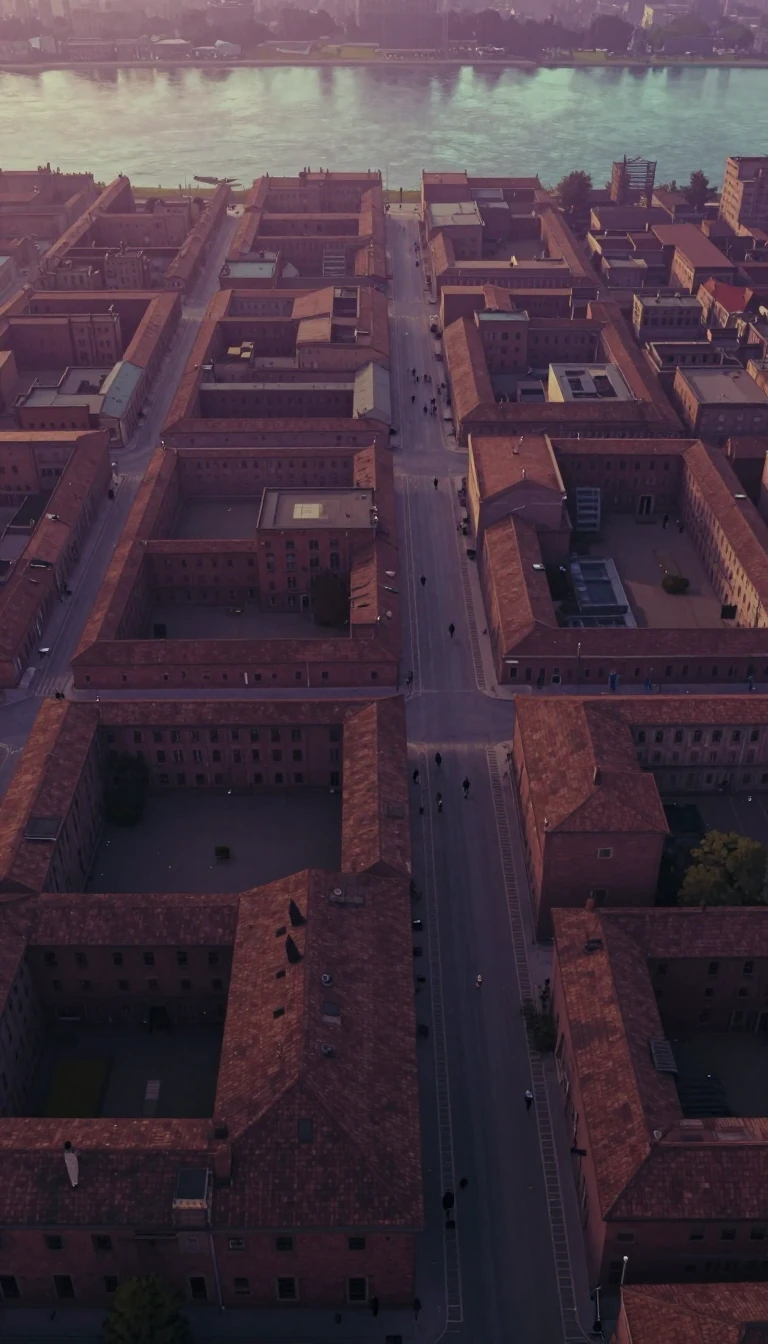
In short: Trowulan, an expansive archaeological site in East Java, is widely considered the capital of the powerful Majapahit Empire. While 14th-century poems describe a grand royal city, modern excavations reveal a complex, high-density urban center defined by specialized industries, sophisticated water systems, and a unique, decentralized pattern of walled residential units.
Trowulan covers approximately 100 square kilometres in Indonesia’s East Java province. Long theorized as the site of the Majapahit capital—known as Wilwatikta—the city was razed in 1478 during the invasion of Girindrawardhana. While 14th-century texts like the Nagarakretagama provide poetic descriptions of a royal compound with thick red-brick walls and ornate pavilions, these accounts are limited to religious and royal sectors. Consequently, scholars often debate the true layout of the city, as archaeological evidence suggests a more nuanced urban structure.
Recent surveys indicate that the capital was likely composed of 'kuwu'—settlement units consisting of groups of buildings enclosed by walls, each under the control of a nobleman. This pattern, which mirrors descriptions of 16th-century coastal Javanese cities, supported a dense population. Excavations have uncovered industrial and commercial zones, including areas dedicated to gold-smithing and bronze casting. The discovery of Chinese bronze coins, which replaced gold and silver currency around 1300, points to an economy driven by specialized labor and daily market transactions.
The site’s preservation is a constant struggle against nature and development. Frequent eruptions from Mount Kelud and flooding from the Brantas River have buried much of the city under layers of mud and volcanic debris. While monumental remains like the Tikus Temple and the Bajang Ratu gateway offer glimpses of the past, modern efforts to develop the area—such as a proposed Majapahit Park—have faced intense scrutiny from historians. Critics argue that such construction threatens the integrity of the buried ruins, highlighting the ongoing tension between preserving this ancient heritage and managing the land it occupies today.
The material culture found at Trowulan reveals a society deeply connected to both local tradition and international trade. From terracotta figurines and intricate bronze lamps to the presence of Chinese mythical Qilin ornaments at the Menak Jingga Temple, the site reflects a sophisticated, cosmopolitan civilization. Even the humble 'celengan'—piggy banks used for saving—demonstrates a culture where economic participation reached deep into the lives of its inhabitants, long before the capital was abandoned for Daha.
Opens the Intellect+ feed with this card first. Swipe up for the next one.
Sources
- Summary by Intellect · source: Trowulan
- Also: Wikidata — Trowulan · CC0
- Also: Wikidata — Trowulan · CC0
To cite this card, link to https://intellectplus.co.uk/app/places-trowulan.
How we source, check and correct cards: Editorial standards.
General information, not professional advice. Spotted an error? Flag the card or see corrections and complaints.
Intellect Plus is a visual educational discovery platform for exploring fascinating facts and ideas. Brain Food, Not Brain Rot. What is Intellect Plus?
Related
More in Historical cities, towns and archaeological sites · More in Countries & Cities · Latest · A–Z · All topics
