How a legendary monkey kingdom became the capital of a massive Indian empire
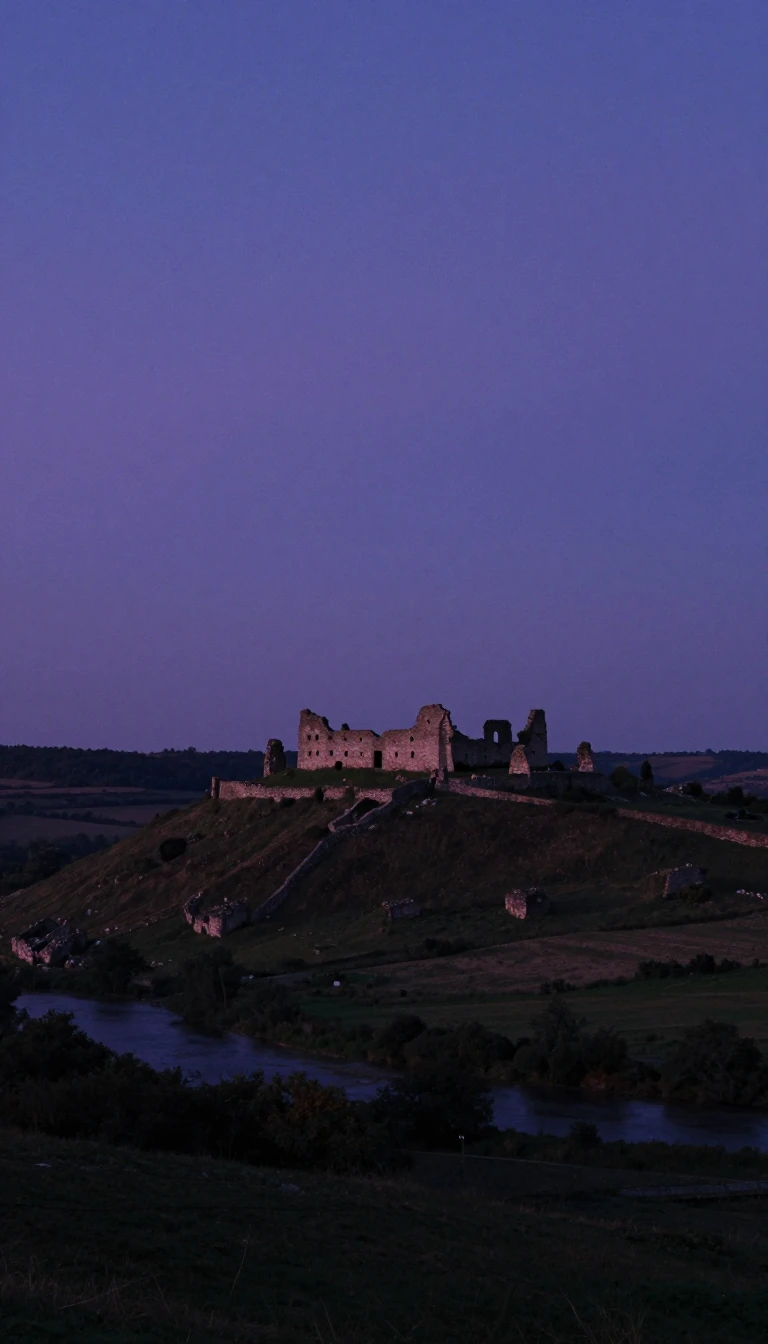
In short: The ruins of Vijayanagara, a sprawling 16-square-mile site in Karnataka, hold more than just stone. Once the capital of a powerful empire founded in 1336, this UNESCO World Heritage site blends ancient Hindu mythology with sophisticated engineering, housing over 1,600 monuments that tell the story of a vanished metropolis.
Vijayanagara, meaning City of Victory, emerged as a major urban center in southern India near the Tungabhadra river. While the empire was formally established in 1336, the site itself was already a sacred pilgrimage destination steeped in the lore of the Ramayana. Local tradition identifies the hills and riverbanks of Hampi as the setting where the hero Rama met the monkey god Hanuman. This deep connection to Hindu mythology—specifically the stories of Shiva and Parvati—predates the imperial capital, with the Virupaksha Temple standing as a testament to this history since the 7th century.
The city’s architecture is a remarkable synthesis of three distinct styles: Dravidian, Indo-Islamic, and the unique Vijayanagara style. This cultural blending is visible in structures like the Lotus Mahal, which features Indo-Islamic arches, and the Vittala Temple, a masterpiece of Dravidian design famous for its 56 musical pillars. These pillars, tuned to resonate with notes from Indian classical music, demonstrate the high level of technical artistry achieved by the empire’s builders. Beyond religious monuments, the city showcased advanced infrastructure, including intricate water management systems, aqueducts, and massive elephant stables capable of housing 22 animals.
The capital was divided into three distinct zones: a sacred center, a protected royal area, and a settlement zone. This layout supported a diverse, multi-religious society. While the vast majority of monuments were dedicated to Hindu worship, the city also accommodated Jain structures like the Ganagitti temple and Islamic sites such as Ahmad Khan’s mosque. This coexistence defined the city's character until its eventual decline, leaving behind a vast archaeological landscape that remains a significant window into the medieval Deccan’s complex social, religious, and architectural achievements.
Opens the Intellect+ feed with this card first. Swipe up for the next one.
Sources
- Summary by Intellect · source: Vijayanagara | Ancient City, Hampi, & Empire | Britannica
- Also: Vijayanagara
To cite this card, link to https://intellectplus.co.uk/app/places-vijayanagara.
How we source, check and correct cards: Editorial standards.
General information, not professional advice. Spotted an error? Flag the card or see corrections and complaints.
Intellect Plus is a visual educational discovery platform for exploring fascinating facts and ideas. Brain Food, Not Brain Rot. What is Intellect Plus?
Related
More in Historical cities, towns and archaeological sites · More in Countries & Cities · Latest · A–Z · All topics
