Tulsa: How a Creek Nation settlement became the world's premier oil hub
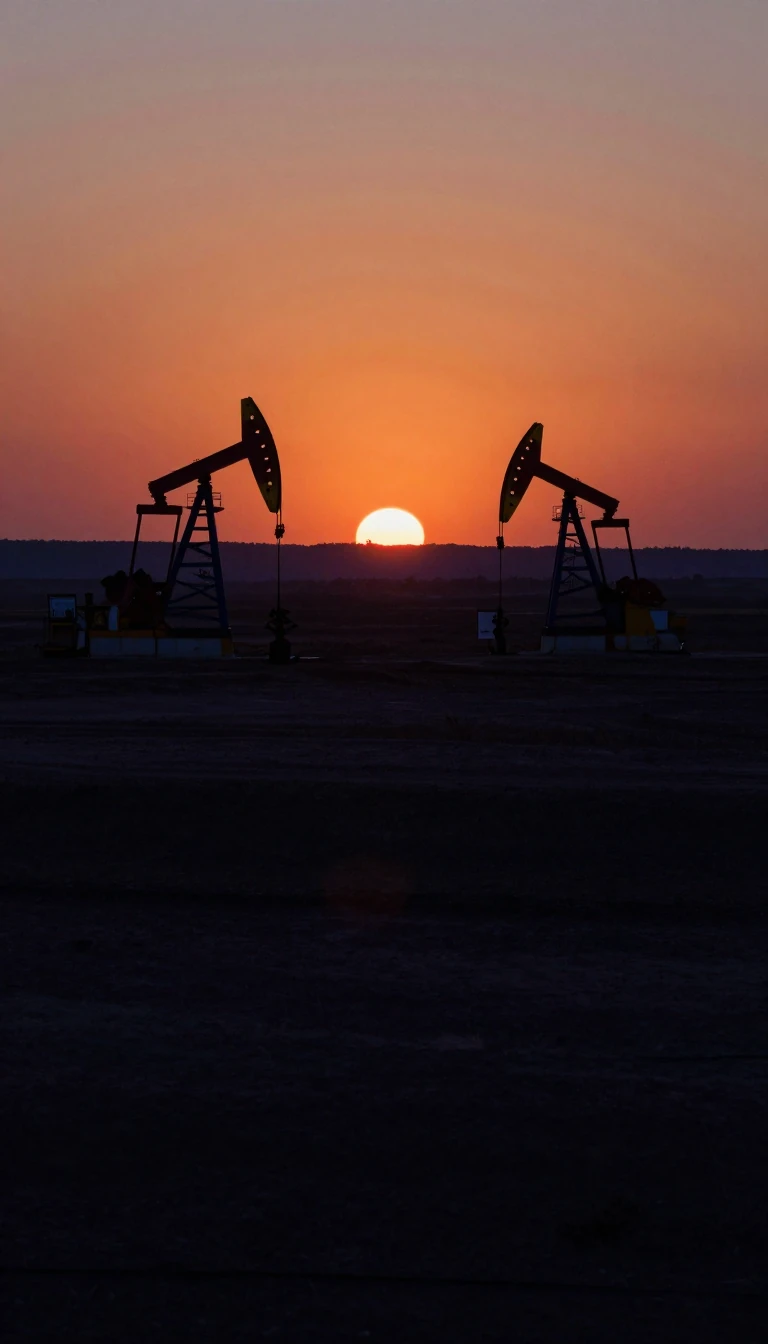
In short: Tulsa evolved from a small Muscogee settlement into a global energy powerhouse, shaping the American landscape through oil wealth, architectural ambition, and resilience. From the tragic destruction of Black Wall Street to its modern identity as a diverse cultural center, Tulsa remains a city defined by its complex, layered history.
Originally established as a Muscogee (Creek) settlement named Tvlahasse, the area that became Tulsa was settled by the Lochapoka band between 1828 and 1836. The city's trajectory shifted dramatically following the 1901 discovery of oil at Red Fork. This boom transformed the town into a global energy center, earning it the moniker 'Oil Capital of the World' for much of the 20th century. The resulting prosperity funded a massive construction wave, leaving the city with one of the nation's most significant collections of Art Deco architecture.
The city's history is also marked by profound tragedy. In 1921, the prosperous Greenwood district—known as Black Wall Street—was devastated by the Tulsa Race Massacre. Mobs destroyed 35 city blocks and over 1,200 homes. While official reports initially claimed fewer than 40 deaths, modern estimates suggest up to 300 people perished. The event left a lasting scar, though the city has increasingly engaged in re-examining these events in the 21st century to acknowledge the scale of the violence.
Tulsa's geography and economy have constantly adapted. Following the oil industry's decline in the 1980s, the city diversified into aviation, finance, and technology. Today, it sits at the intersection of diverse tribal jurisdictions, with the Supreme Court ruling in 2020 that much of the city remains Native American land. From the 'Birthplace of Route 66' to its sophisticated flood management systems, Tulsa continues to navigate its unique position in the American Interior Highlands.
The city's architectural legacy is equally diverse, ranging from the Post-Modern Futuristic structures of Oral Roberts University to the Prairie School designs of Frank Lloyd Wright. As a gateway to the 'Green Country' region, Tulsa balances its industrial roots with a commitment to arts and culture, maintaining a complex identity that reflects both its indigenous heritage and its rapid 20th-century expansion.
Opens the Intellect+ feed with this card first. Swipe up for the next one.
Sources
- Summary by Intellect · source: Tulsa, Oklahoma
- Also: Wikidata — Tulsa · CC0
- Also: Wikidata — 2020 COVID-19 pandemic in Tulsa, Oklahoma · CC0
To cite this card, link to https://intellectplus.co.uk/app/places-tulsa-oklahoma.
How we source, check and correct cards: Editorial standards.
General information, not professional advice. Spotted an error? Flag the card or see corrections and complaints.
Intellect Plus is a visual educational discovery platform for exploring fascinating facts and ideas. Brain Food, Not Brain Rot. What is Intellect Plus?
Related
More in US cities · More in Countries & Cities · Latest · A–Z · All topics
