Why the City of Prophets is a living museum of human civilization
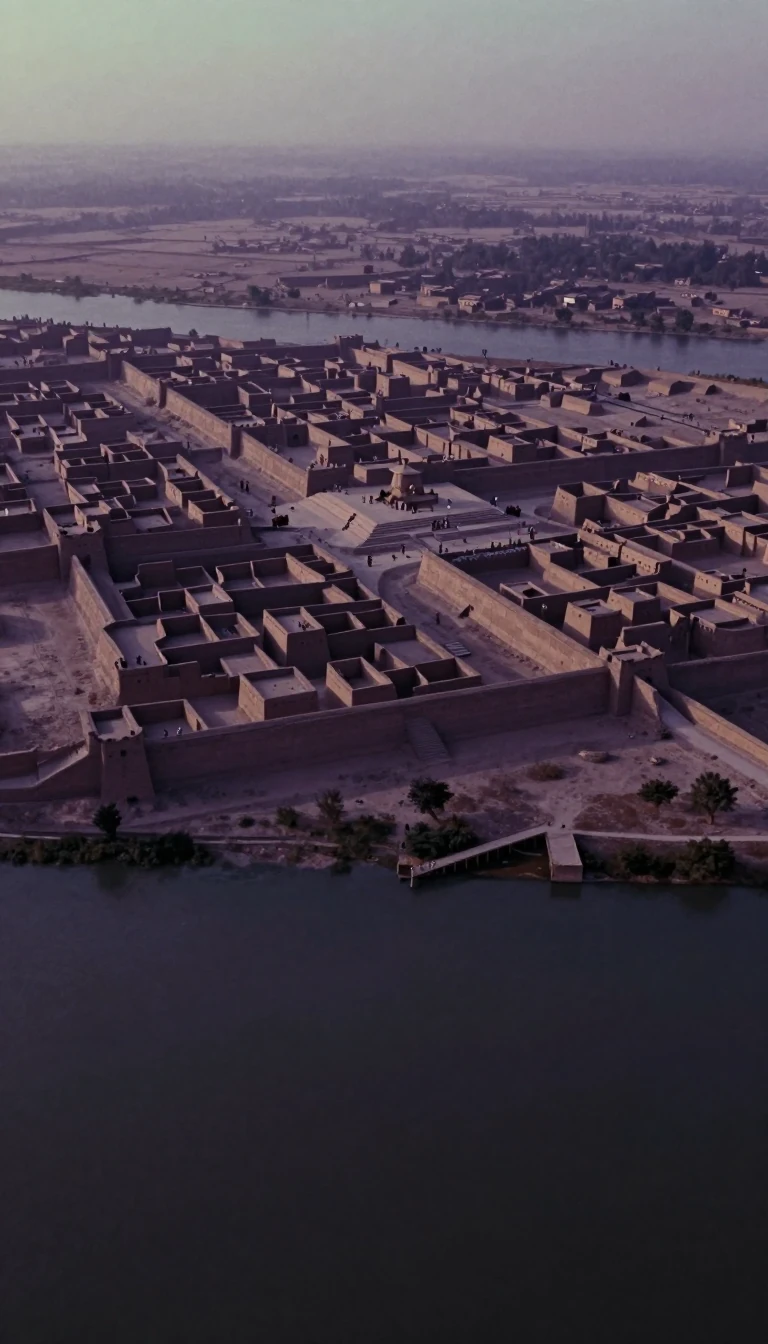
In short: Known as the City of Prophets, Urfa sits near the world's oldest temple, Göbekli Tepe. This Turkish city has been a crossroads for millennia, evolving from a prehistoric settlement into a Hellenistic military hub, a Roman client kingdom, and a center of diverse religious traditions, including early Christianity and Manichaeism.
Located on a plain 80 km east of the Euphrates, Urfa is a site of immense historical depth. Its proximity to Göbekli Tepe, founded in the 10th millennium BC, places it at the heart of the agricultural revolution. While written records only begin later, archaeological evidence at Yeni Mahalle Höyüğü confirms human habitation dating back to 9400–8600 BCE, where early villagers cultivated wheat and barley.
The city was formally refounded as the Hellenistic military colony Edessa by Seleucus I Nicator around 303 BC. It later became the capital of the Kingdom of Osroene under the Abgarid dynasty. By the 2nd century AD, it was a religious melting pot where polytheists, Jews, and early Christians coexisted. Abgar the Great, who ruled until 212, is famously associated with the potential early adoption of Christianity, which would make the city the world's first Christian polity.
Throughout the centuries, the city changed hands between Roman, Sasanian, Byzantine, and Arab powers. Its name evolved through various linguistic shifts—from the Aramaic Adma to the Syriac Orhay and finally the Turkish Urfa. In 1984, the Turkish National Assembly bestowed the title Şanlı, or glorious, to commemorate the local resistance against foreign troops following the First World War. Today, the city remains a magnet for regional migration, driven by the nearby Southeast Anatolia Project infrastructure.
The city's religious significance persists, as it is considered one of the most devoutly religious urban centers in Turkey. Its history is marked by the movement of relics, such as the mandylion taken by Byzantines in 944, and the constant architectural adaptation of its walls and mosques. From its prehistoric origins to its modern status as a provincial capital, Urfa remains a testament to the enduring nature of human settlement in the Balikh River Valley.
Opens the Intellect+ feed with this card first. Swipe up for the next one.
Sources
- Summary by Intellect · source: Urfa
- Also: Wikidata — Urfa · CC0
To cite this card, link to https://intellectplus.co.uk/app/places-urfa.
How we source, check and correct cards: Editorial standards.
General information, not professional advice. Spotted an error? Flag the card or see corrections and complaints.
Intellect Plus is a visual educational discovery platform for exploring fascinating facts and ideas. Brain Food, Not Brain Rot. What is Intellect Plus?
Related
More in Major world cities · More in Countries & Cities · Latest · A–Z · All topics
