Anuradhapura: How an Ancient Sinhalese Capital Transformed into a Modern Sacred World Heritage Site
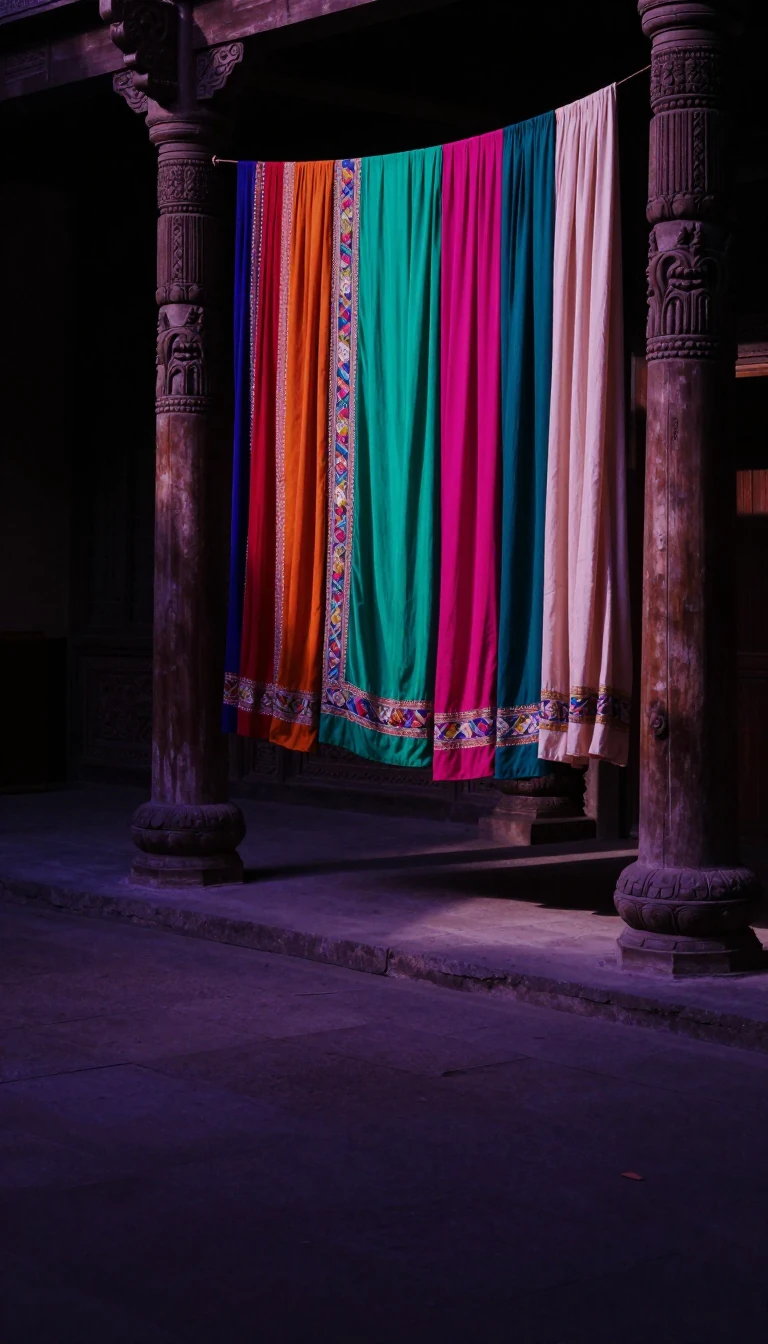
In short: Founded in the 5th century BCE, Anuradhapura served as the longest-running capital of the Sinhalese kingdom for 1,500 years. Once a sprawling urban center of iron-age innovation and Theravada Buddhism, the city was eventually abandoned, only to be meticulously preserved and reborn as a modern pilgrimage site in the 20th century.
The origins of Anuradhapura reach back far beyond its formal establishment as a capital in 377 BCE by King Pandukabhaya. Archaeological excavations in the city's citadel reveal human settlement dating to the 10th century BCE, with evidence of iron technology, paddy cultivation, and domestic cattle appearing between 900 and 600 BCE. By the 7th century BCE, the settlement had already expanded to cover at least 50 hectares. Its strategic location, surrounded by fertile land and dense jungle for natural defense, allowed it to flourish as a major hub of the ancient world, eventually becoming the cradle of the Hydraulic Sinhalese civilization.
For over a millennium, the city stood as a beacon of Theravada Buddhism, hosting revered philosophers like Buddhaghosa and housing the Jaya Sri Maha Bodhi, the world's oldest documented planted tree. However, the city's political dominance fractured following the Chola invasion in 993 CE. Though it remained a vital spiritual destination for pilgrims, it ceased to function as a major population center for centuries. European travelers like Robert Knox and John Davy later documented the site's ruins in the 17th and 19th centuries, describing a landscape of stone pillars and immense dagobahs reclaimed by the desert.
The modern era brought a radical shift in urban planning. In 1949, the Government of Ceylon launched the Anuradhapura Preservation Plan, spearheaded by Oliver Weerasinghe, to protect the ancient ruins from encroaching development. This initiative led to the creation of a separate 'New Town' to the east, where administrative functions, law courts, and residents were relocated. From 1958 to 1962, Nissanka Wijeyeratne managed this complex transition as Chairman of the Preservation Board. His efforts ensured the Sacred City was preserved for future generations, a commitment formally recognized in 1982 when UNESCO designated Anuradhapura as a World Heritage Site, cementing its status as a bridge between ancient history and contemporary life.
Opens the Intellect+ feed with this card first. Swipe up for the next one.
Sources
- Summary by Intellect · source: Anuradhapura
- Also: Wikidata — Anuradhapura · CC0
To cite this card, link to https://intellectplus.co.uk/app/places-anuradhapura.
How we source, check and correct cards: Editorial standards.
General information, not professional advice. Spotted an error? Flag the card or see corrections and complaints.
Intellect Plus is a visual educational discovery platform for exploring fascinating facts and ideas. Brain Food, Not Brain Rot. What is Intellect Plus?
Related
More in World Heritage Sites · More in Countries & Cities · Latest · A–Z · All topics
