Why this Portuguese museum-city is named after the ancient yew tree
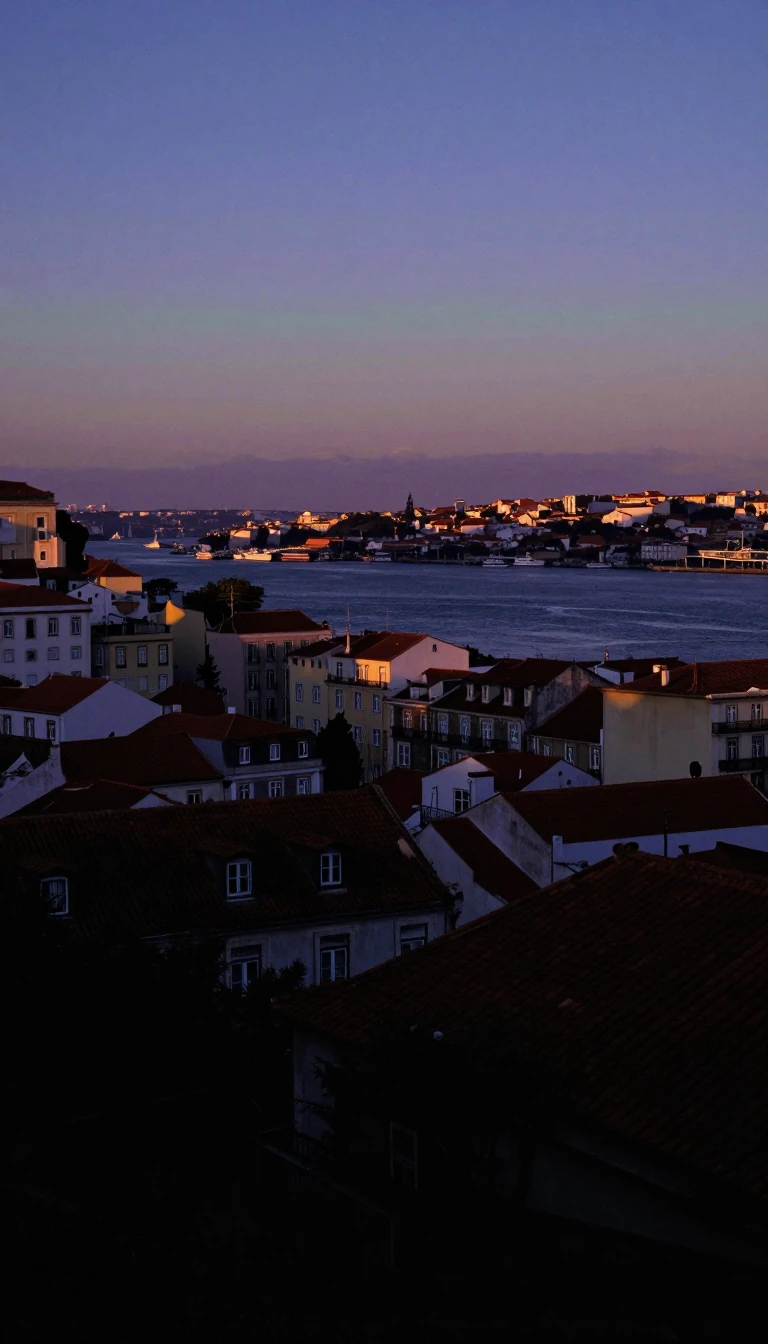
In short: With a history spanning five millennia, Évora is a living archive of human civilization. From Roman temples and medieval walls to the site where Vasco da Gama received his orders for India, this UNESCO World Heritage site remains a vital, albeit sweltering, cultural capital in the heart of the Alentejo region.
The name Évora likely derives from the ancient Celtic word eburos, meaning yew tree, linking it etymologically to the city of York in England. This deep history is reflected in the landscape, where megalithic monuments like the Cromeleque dos Almendres suggest human presence long before the Romans arrived. By 57 BC, the Romans had established a walled town here, which Julius Caesar later dubbed Liberalitas Julia. Pliny the Elder famously recorded the area as Ebora Cerealis, a testament to the abundant wheat fields that defined its early prosperity.
Throughout the Middle Ages, the city served as a crucible for shifting powers. Conquered by Arab forces in 715 and renamed Yāburah, it flourished as an agricultural and intellectual center before being reclaimed by Portuguese forces in 1165. During the 15th century, it became a favored residence for the Portuguese court, hosting royal weddings and pivotal political decisions. The city’s intellectual prestige peaked in 1559 with the founding of a Jesuit university, which attracted renowned European humanists before its closure in 1759 by the Marquis of Pombal.
Today, Évora functions as a museum-city, its historic center housing about 4,000 buildings within medieval walls. Visitors can explore a diverse architectural legacy ranging from Romanesque and Gothic to the distinct Manueline style. While the city faces modern challenges like desertification and extreme summer heat—with record temperatures reaching 45.4 °C—it remains a vibrant hub. Designated a European Capital of Culture for 2027, Évora continues to balance its role as an agricultural and services center with its status as a premier destination for those seeking to walk through layers of European history.
Opens the Intellect+ feed with this card first. Swipe up for the next one.
Sources
- Summary by Intellect · source: Évora
- Also: Wikidata — Évora · CC0
- Also: Wikidata — Évora · CC0
To cite this card, link to https://intellectplus.co.uk/app/places-vora.
How we source, check and correct cards: Editorial standards.
General information, not professional advice. Spotted an error? Flag the card or see corrections and complaints.
Intellect Plus is a visual educational discovery platform for exploring fascinating facts and ideas. Brain Food, Not Brain Rot. What is Intellect Plus?
Related
More in World Heritage Sites · More in Countries & Cities · Latest · A–Z · All topics
