The Ottoman walls of Jerusalem were built to replace a city left defenseless for centuries.
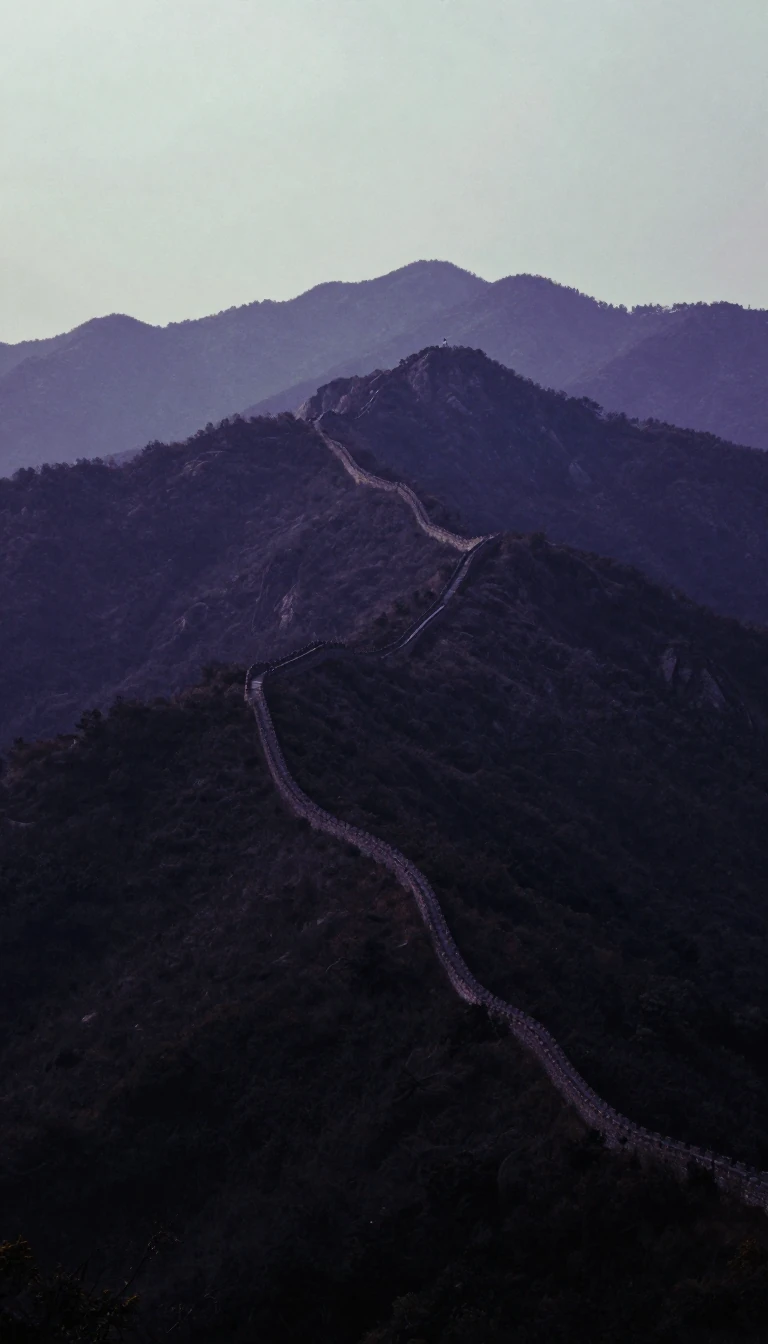
In short: For three hundred years, Jerusalem stood without protective walls, leaving the city vulnerable after the Ayyubid ruler al-Mu'azzam Isa ordered their destruction in 1219. It was not until 1535 that Sultan Suleiman the Magnificent commissioned the massive fortifications that still define the Old City today, completing them by 1541.
The current walls, which stretch over 4,000 meters, are the result of a massive 16th-century Ottoman project. While they are often attributed to the renowned architect Mimar Sinan, they represent only the latest iteration of a defensive history spanning millennia. Before the Ottomans, Jerusalem’s fortifications underwent constant cycles of construction, destruction, and abandonment. From the ancient Jebusite city to the Second Temple period, when Herod Agrippa began the expansive Third Wall, the city’s footprint shifted repeatedly. By 70 CE, the Roman siege during the First Jewish–Roman War left the city in ruins, and it remained without walls for over two centuries until the reign of Emperor Diocletian.
The medieval period brought further instability. The walls were renewed by Empress Aelia Eudocia in the 5th century, only to be shattered by the 1033 Jordan Rift Valley earthquake. Subsequent rulers, including the Fatimids, Crusaders, and Ayyubids, constantly modified the defenses to suit their strategic needs. The Ayyubid ruler al-Mu'azzam Isa famously razed the fortifications in 1219, fearing they would provide an advantage to Crusaders if the city were captured. This left Jerusalem largely unfortified for three centuries, with only the Tower of David and al-Aqsa remaining as secure points.
Suleiman the Magnificent’s 1537–1541 reconstruction finally restored the city's perimeter. These walls, featuring 34 watchtowers and seven main gates, eventually transitioned from military assets to symbolic boundaries as the city expanded in the 19th century. Today, they are recognized as a UNESCO World Heritage Site, preserved through modern conservation efforts that focus on structural stabilization and the documentation of the diverse archaeological layers—from the Fatimid-era Goliath’s Tower to the Ottoman masonry—that lie beneath the surface.
It is worth noting that the history of these walls is deeply intertwined with the city's shifting identity. While biblical accounts describe early expansions under David and Solomon, archaeological evidence for certain periods, such as the post-Babylonian era, remains elusive. Modern GIS research, such as the 2023 work by Joseph Spiezer, has been instrumental in georeferencing scattered historical surveys to better understand the city's peak historical footprint, which reached approximately 1,800 dunams during the Second Temple period.
Opens the Intellect+ feed with this card first. Swipe up for the next one.
Sources
- Summary by Intellect · source: Walls of Jerusalem
- Also: Wikidata — Walls of Jerusalem · CC0
- Also: Wikidata — Walls Of Jerusalem · CC0
To cite this card, link to https://intellectplus.co.uk/app/places-walls-of-jerusalem.
How we source, check and correct cards: Editorial standards.
General information, not professional advice. Spotted an error? Flag the card or see corrections and complaints.
Intellect Plus is a visual educational discovery platform for exploring fascinating facts and ideas. Brain Food, Not Brain Rot. What is Intellect Plus?
Related
More in Archaeology · More in History · Latest · A–Z · All topics
