How a malaria-stricken scholar’s medicine cabinet revealed China’s lost Shang dynasty capital
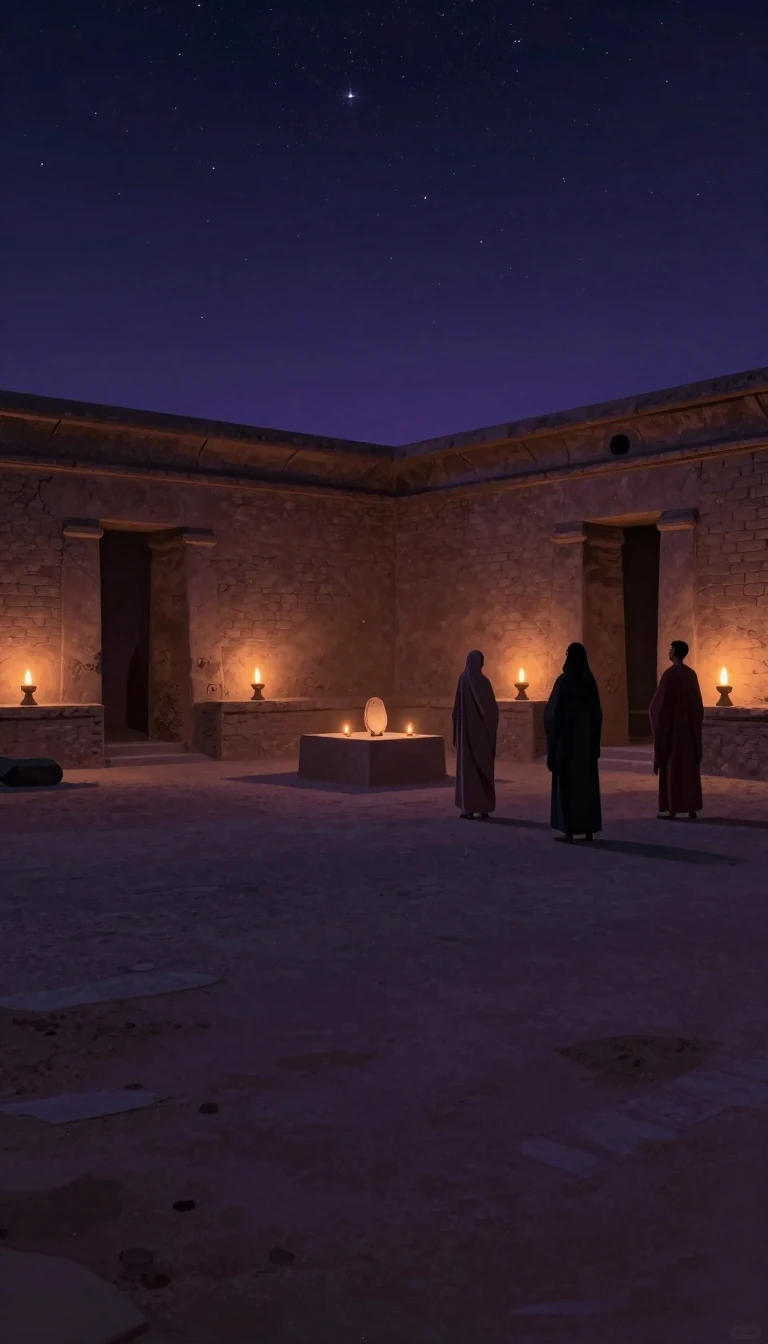
In short: For millennia, the Shang dynasty was considered mere legend. That changed in 1899 when Wang Yirong, suffering from malaria, noticed strange carvings on dragon bones prescribed by his pharmacy. This accidental discovery led to the excavation of Yinxu, a massive ancient capital that fundamentally rewrote the history of Chinese civilization.
Yinxu, located in modern-day Anyang, served as the final capital of the Shang dynasty during its late period, roughly 1250 to 1046 BCE. While historical texts like the Book of Documents and the Bamboo Annals identified it as the seat of power, the site remained lost to time until the late Qing dynasty. Its rediscovery transformed the study of Chinese history, shifting the Shang from a mythical entity to a verifiable archaeological reality.
The site is best known for the 150,000 oracle bones unearthed there, which contain the earliest known examples of Chinese writing. These inscriptions, along with the construction of a complete royal genealogy by Wang Guowei in 1917, allowed scholars to cross-reference archaeological findings with traditional historical records. Excavations have revealed a sophisticated urban center spanning 30 square kilometers, featuring rammed-earth palaces, royal tombs, and specialized workshops for bronze and jade production.
Among the most significant finds is the 1250 BCE tomb of Lady Hao, a military leader and wife of King Wu Ding. Unlike other royal burials that were looted over the centuries, her tomb remained undisturbed, offering a rare glimpse into Shang funeral customs, including human and animal sacrifice. Recent studies of mitochondrial DNA from the site suggest a genetic continuity between the inhabitants of Yinxu and modern northern Han Chinese populations.
Today, Yinxu stands as a UNESCO World Heritage Site and a center for cultural tourism. While the city was abandoned after the rise of the Zhou dynasty, modern technology—including 3D exhibitions and digital archives—now brings its history to life. From the early excavations led by Li Ji in the 1920s to the opening of a new museum in 2024, Yinxu continues to provide the foundational evidence for understanding the origins of Chinese culture.
Opens the Intellect+ feed with this card first. Swipe up for the next one.
Sources
- Summary by Intellect · source: Yinxu
- Also: Wikidata — Yinxu · CC0
To cite this card, link to https://intellectplus.co.uk/app/places-yinxu.
How we source, check and correct cards: Editorial standards.
General information, not professional advice. Spotted an error? Flag the card or see corrections and complaints.
Intellect Plus is a visual educational discovery platform for exploring fascinating facts and ideas. Brain Food, Not Brain Rot. What is Intellect Plus?
Related
More in Archaeology · More in History · Latest · A–Z · All topics
