Why the setting sun defines the western horizon across almost every human language
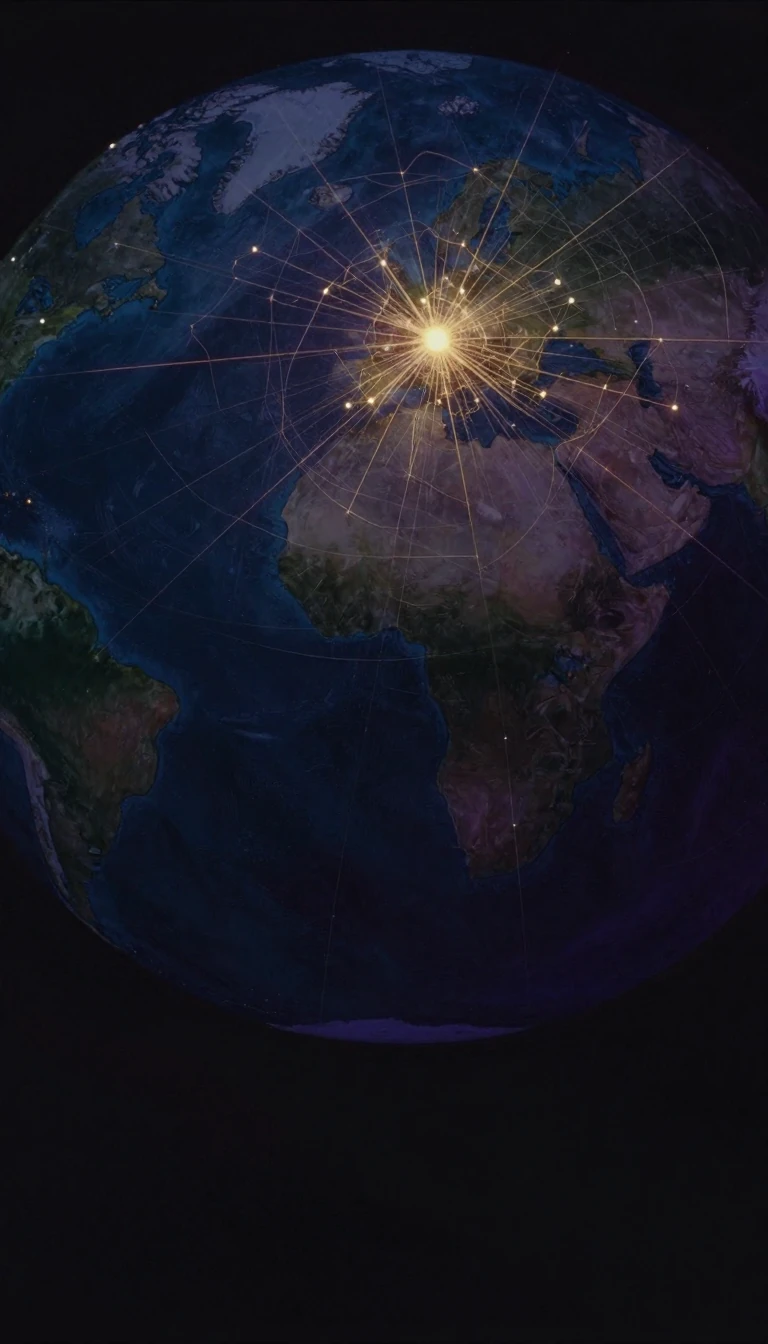
In short: West is more than a compass point; it is a linguistic echo of the evening. From the Indo-European root for night to the Latin term for a setting star, humans have long defined the west by the sun's descent. Yet, this cardinal direction carries vastly different cultural and spiritual weights.
The etymology of west reveals a deep-seated human connection to the daily cycle of light and dark. The word itself stems from the Indo-European root *wes, linked to *wes-pero, meaning evening or night. This pattern repeats across languages: Latin's occidens derives from the verb for setting, while the Hebrew maarav comes from the word for evening. This linguistic convergence reflects the physical reality of Earth's rotation, where the sun appears to progress toward the west before disappearing. On Venus, however, the experience would be inverted due to retrograde rotation, though the planet's opaque clouds hide this phenomenon from any surface observer.
Beyond geography, the west has served as a profound symbolic anchor. For the Ancient Egyptians, it was a portal to the netherworld, personified by the goddess Amunet, while the Celts viewed the western sea as the gateway to the Otherworld. In Judaism, the direction holds a specific sacred orientation; the Tabernacle and the Jerusalem Temple were designed so that the Holy of Holies sat to the west, toward the presence of God. Conversely, Islamic tradition emphasizes the divine omnipresence, with the Qur'an asserting that both east and west belong to God, transcending symbolic geography.
In modern contexts, the term has shifted from the celestial to the political and literary. The Western world, a concept rooted in the Western Roman Empire and Western Christianity, evolved during the Cold War to define the NATO alliance. Simultaneously, in American literature, the west has functioned as a symbol of freedom and frontier expansion. Whether viewed as a path toward enlightenment in Chinese Buddhism or a realm of water and mist for the Aztecs, the west remains a complex intersection of physical navigation and human myth-making.
Opens the Intellect+ feed with this card first. Swipe up for the next one.
Sources
- Summary by Intellect · source: West
- Also: Wikidata — West · CC0
- Also: Wikidata — Western European Summer Time · CC0
To cite this card, link to https://intellectplus.co.uk/app/places-west.
How we source, check and correct cards: Editorial standards.
General information, not professional advice. Spotted an error? Flag the card or see corrections and complaints.
Intellect Plus is a visual educational discovery platform for exploring fascinating facts and ideas. Brain Food, Not Brain Rot. What is Intellect Plus?
Related
More in Technical geography · More in Countries & Cities · Latest · A–Z · All topics
