Beyond the seaside: How chalk hills and ancient kingdoms shaped West Sussex
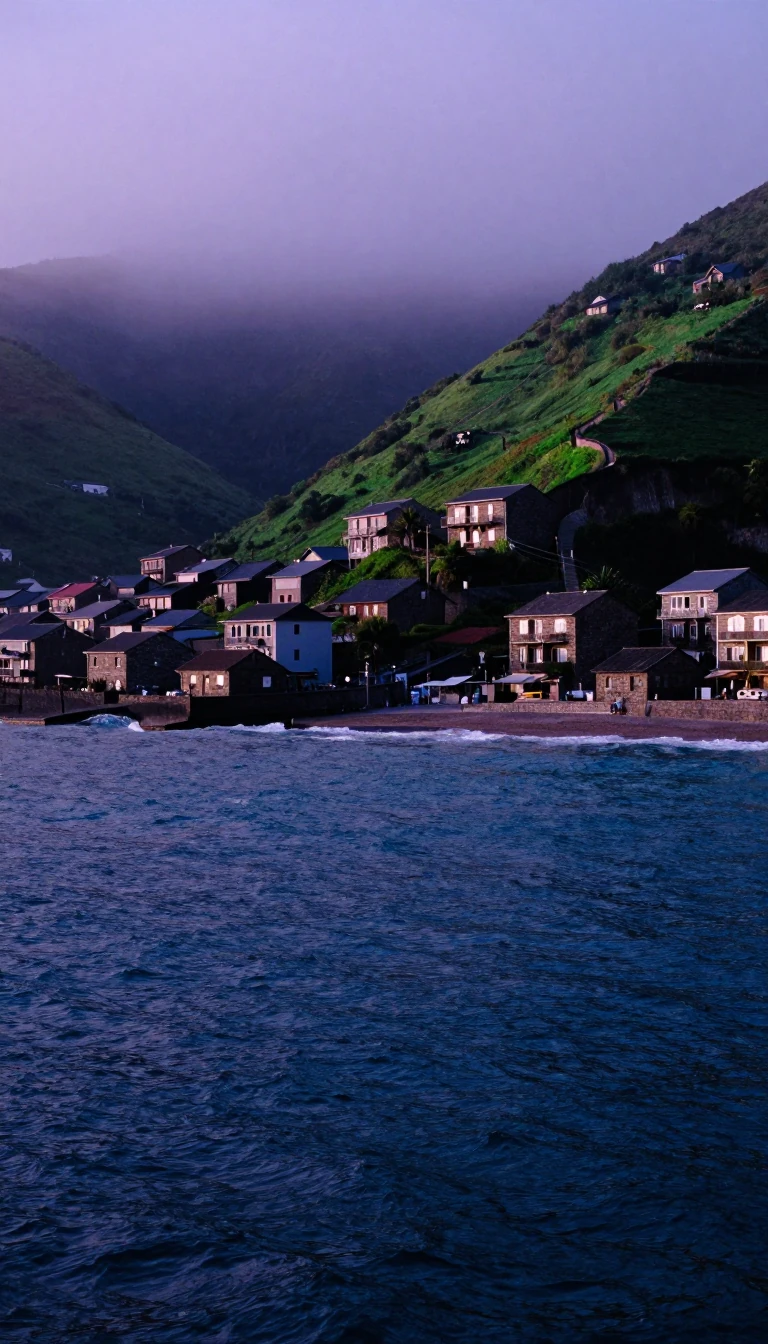
In short: Bordering the English Channel, West Sussex is a landscape defined by the dramatic South Downs and a history stretching back to the Lower Paleolithic era. While famous for its coastal resorts and retirement towns, the region hides a complex geography of heavy clays, industrial heritage, and suburban expansion.
The geography of West Sussex is dominated by the South Downs, a ridge of chalk hills that bisects the county from east to west. To the north, these hills drop abruptly into the heavy clays and sands of The Weald, an area once used by Romans for large-scale iron production. To the south, the land slopes gently toward the English Channel, broadening into a fertile coastal plain that terminates at the flat headland of Selsey Bill. This coastline is dynamic, with erosion causing constant shifts in the shoreline.
Human habitation in the area is ancient, with the oldest hominin remains in Britain discovered at Eartham Pit, Boxgrove. By the 5th century, the region became the heart of the Kingdom of Sussex, established by Saxons who arrived in 477. This kingdom was eventually annexed by Wessex around 827. The modern administrative structure is more recent; while the area was historically part of a single county of Sussex, it was divided into administrative units in 1888 and became a distinct ceremonial county in 1974.
Today, the county balances rural character with significant commercial development. While much of the interior remains defined by winding lanes and small villages, the 20th century brought suburban growth and the rise of Gatwick Airport, which spurred economic activity around Crawley. The coastal strip, meanwhile, has evolved from a collection of seaside resorts into a nearly continuous built-up area stretching from Shoreham-by-Sea to Selsey. Residents now navigate a landscape that blends this modern infrastructure with historic landmarks like Arundel Castle and the Roman-era Fishbourne Palace.
Opens the Intellect+ feed with this card first. Swipe up for the next one.
Sources
- Summary by Intellect · source: West Sussex | England, Map, Population, & Facts | Britannica
- Also: West Sussex
To cite this card, link to https://intellectplus.co.uk/app/places-west-sussex.
How we source, check and correct cards: Editorial standards.
General information, not professional advice. Spotted an error? Flag the card or see corrections and complaints.
Intellect Plus is a visual educational discovery platform for exploring fascinating facts and ideas. Brain Food, Not Brain Rot. What is Intellect Plus?
Related
More in Regions and country subdivisions · More in Countries & Cities · Latest · A–Z · All topics
