The Isle of Wight is a prehistoric time capsule and a Victorian tech hub.
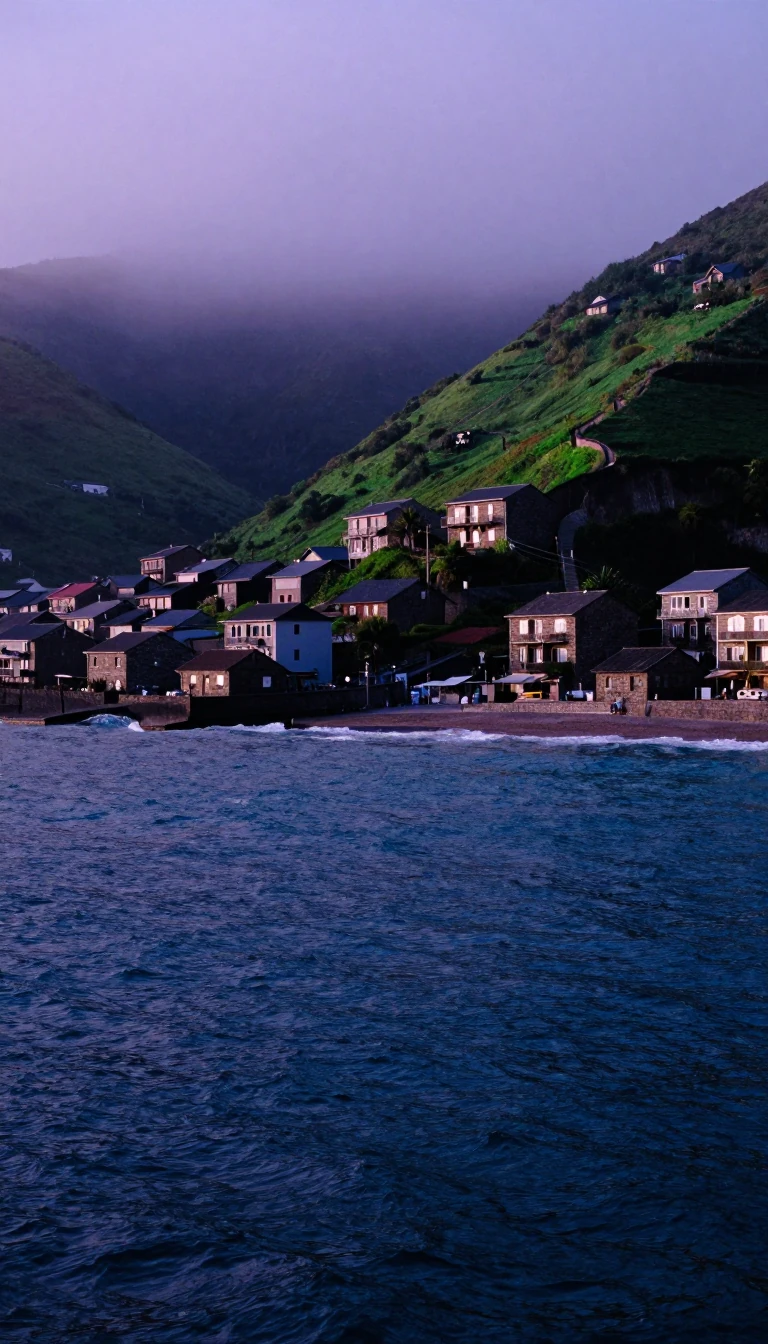
In short: Separated from England by the Solent, this island has served as a frontline fortress, a royal retreat, and a cradle for early telecommunications. From ancient Neanderthal tools to the world's first radio station, the Isle of Wight’s history is as layered as the chalk cliffs that define its landscape.
The Isle of Wight’s history begins long before it became an island. During the Pleistocene, the area was part of the now-extinct River Solent valley. Archaeological finds near Priory Bay reveal handaxes dating back 424,000 to 374,000 years, with some potentially reaching 500,000 years old. Later, during the last glacial period around 50,000 years ago, Neanderthals left behind flint tools at Great Pan Farm. By the Mesolithic era, around 6050 BC, hunter-gatherers occupied the Bouldnor Cliff site, leaving behind worked timbers and evidence of early trade, including wheat DNA that predates its known arrival in Britain by two millennia.
Throughout the Middle Ages, the island was a strategic prize, transitioning from a Jutish kingdom to a feudal fiefdom under the de Redvers family until Edward I purchased it in 1293. Its proximity to France made it a frequent target for raids, leading to extensive fortifications under Henry VIII and later, in the 1860s, the construction of the Palmerston Forts to deter potential French invasions. This defensive legacy persisted through the Second World War, when the island hosted radar stations and was considered a potential target for German invasion.
The island’s modern identity was cemented by Queen Victoria, who transformed Osborne House into her final home. Her presence turned the rural, farming-based island into a fashionable Victorian resort. This era of innovation saw Alexander Graham Bell demonstrate the telephone to the Queen in 1878, and Guglielmo Marconi establish the world’s first radio station at the Needles Battery in 1897. In the 20th century, the island’s legacy of engineering continued with the development of space rockets, while the 1970 Isle of Wight Festival secured its place in cultural history as one of the largest rock events ever held.
Opens the Intellect+ feed with this card first. Swipe up for the next one.
Sources
- Summary by Intellect · source: Isle of Wight
- Also: www.britannica.com — Isle of Wight | English Coastal Destination & Unitary Authority | Britannica
To cite this card, link to https://intellectplus.co.uk/app/culture-isle-of-wight.
How we source, check and correct cards: Editorial standards.
General information, not professional advice. Spotted an error? Flag the card or see corrections and complaints.
Intellect Plus is a visual educational discovery platform for exploring fascinating facts and ideas. Brain Food, Not Brain Rot. What is Intellect Plus?
Related
More in UK & Irish culture · More in Cultures · Latest · A–Z · All topics
