Why Western Thrace remains a unique cultural crossroads in the modern Balkans
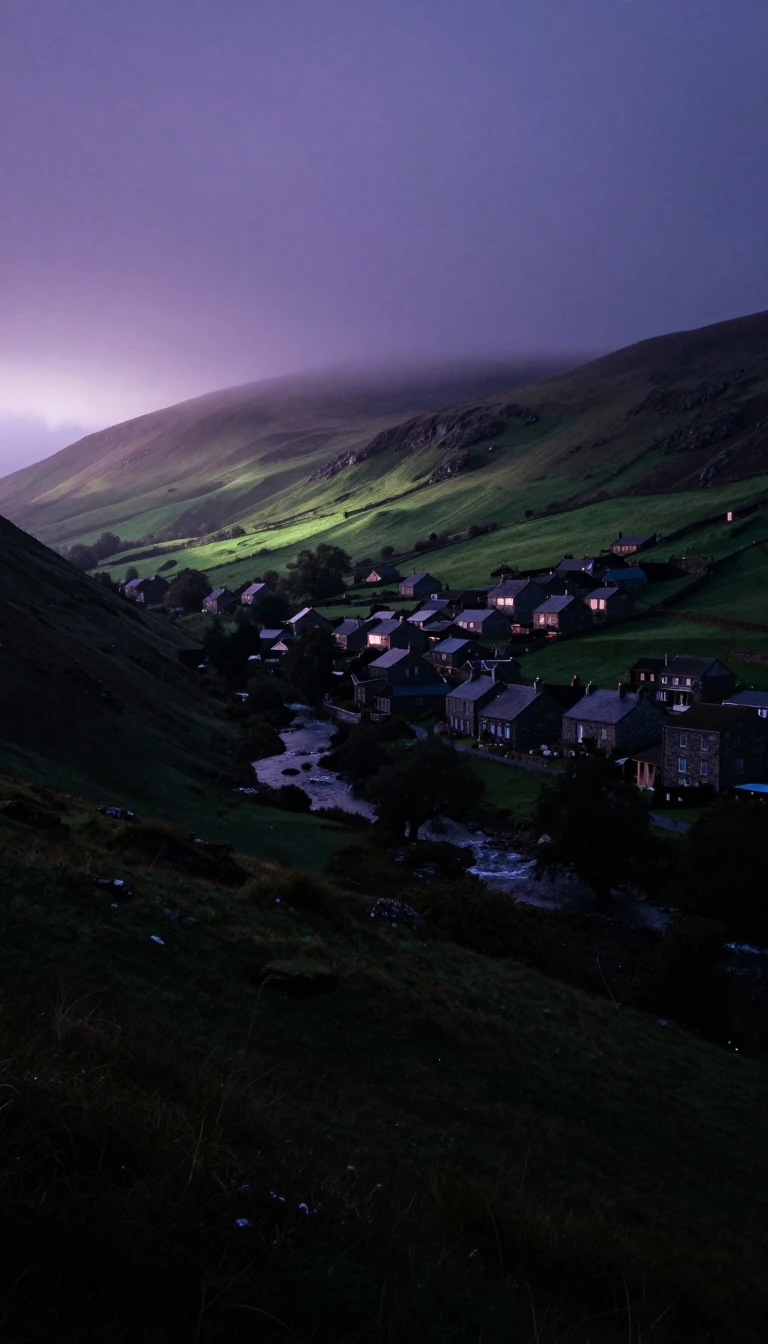
In short: Western Thrace is a distinct sliver of Greece, defined by the Néstos and Maritsa rivers and the Rhodope Mountains. Unlike the rest of the country, this region retains a significant Turkish minority, a legacy of the 1923 population exchange that intentionally excluded them while resettling many Greeks here.
The broader historical region of Thrace once stretched from the Danube to the Aegean, but its modern borders are fragmented across three nations. Today, about one-tenth of this territory lies within Greece, known specifically as Western Thrace. The landscape is defined by a rugged topography where mountain-enclosed basins meet deeply carved river valleys, creating a climate that shifts from Mediterranean warmth in the south to continental influences in the northern highlands.
Throughout antiquity, Thrace was a strategic prize. Ancient historians often viewed the Thracian people as formidable warriors, though their internal political divisions prevented them from dominating the Mediterranean. By the 1st century BCE, Rome began exerting control, eventually annexing the region under Emperor Claudius I in 46 CE. Following the collapse of the Roman and Byzantine structures, the area fell to Ottoman rule for four centuries, fundamentally shaping its demographic and cultural character.
The 20th century brought profound changes to the region's borders and inhabitants. Following the Balkan Wars of 1912–1913 and the conclusion of World War I, the treaties of Neuilly, Sèvres, and Lausanne solidified the current boundaries between Greece, Bulgaria, and Turkey. While these agreements led to forced and voluntary population movements that made the region more homogeneous elsewhere, Western Thrace remained an exception. The Turkish minority residing there was specifically exempted from the 1923 population exchange, while the area simultaneously absorbed many Greeks displaced from Bulgaria and Turkey.
Today, Western Thrace serves as a living record of these complex shifts. Its largest city, Alexandroúpoli, reflects the region's role as a commercial hub, while the surrounding plains and mountains continue to host diverse communities. The persistence of these minority populations, combined with the region's ancient history as a center for Greek colonies and later Byzantine influence, ensures that Western Thrace remains a distinct and historically layered corner of the modern Greek state.
Opens the Intellect+ feed with this card first. Swipe up for the next one.
Sources
- Summary by Intellect · source: Thrace | Greece, Map, Location, & Description | Britannica
- Also: Western Thrace
To cite this card, link to https://intellectplus.co.uk/app/places-western-thrace.
How we source, check and correct cards: Editorial standards.
General information, not professional advice. Spotted an error? Flag the card or see corrections and complaints.
Intellect Plus is a visual educational discovery platform for exploring fascinating facts and ideas. Brain Food, Not Brain Rot. What is Intellect Plus?
Related
More in Regions and country subdivisions · More in Countries & Cities · Latest · A–Z · All topics
