Why this Chinese mountain city is known as the world's Rain City
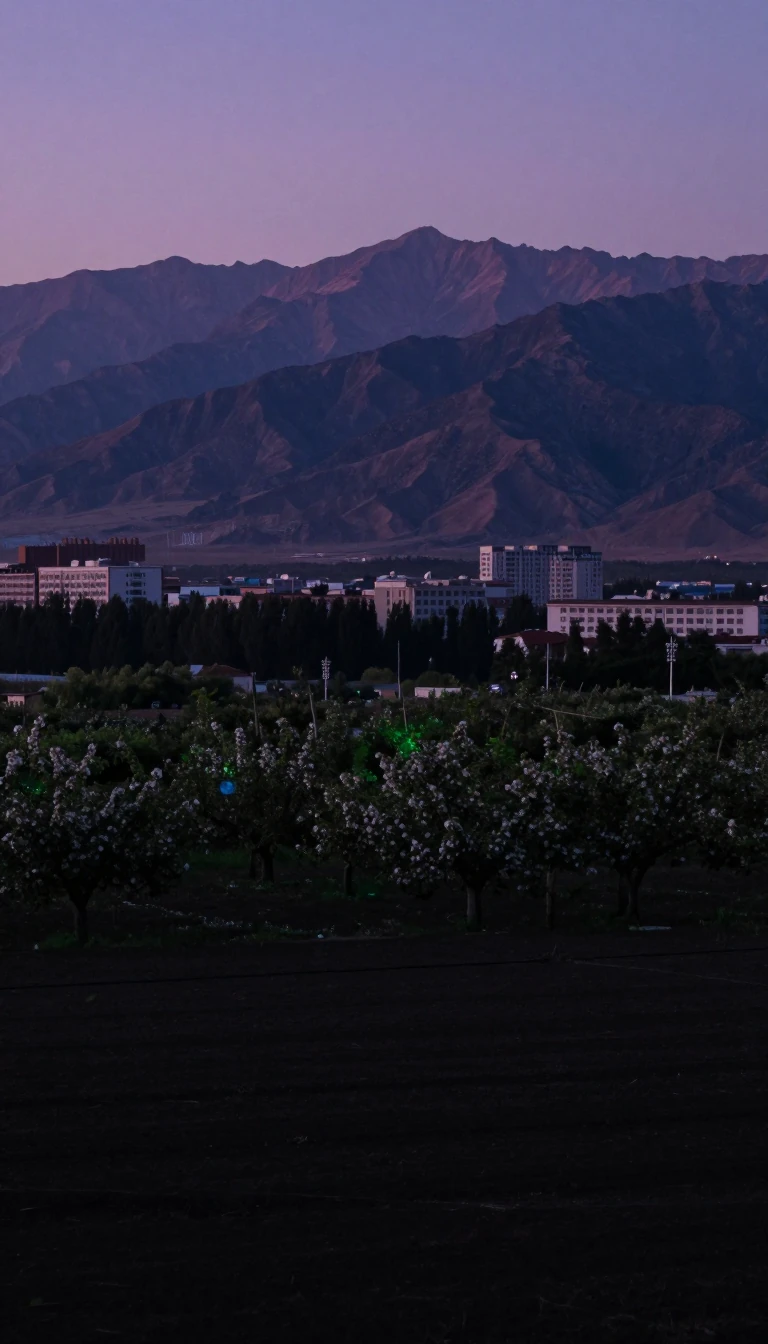
In short: Perched where the Chengdu Plain meets the Tibetan Plateau, Ya'an is a historic gateway defined by its unique climate and ancient trade. Known as the Rain City, it receives nearly 1,700 millimeters of precipitation annually. Beyond its weather, this region holds the title as the birthplace of artificial tea cultivation.
Ya'an, a prefecture-level city in Sichuan province, occupies a strategic position at the edge of the Tibetan Plateau. Its geography is defined by surrounding mountains and four rivers, which create a monsoon-influenced humid subtropical climate. Because the mountains block cold Siberian winds during winter and force moist air upward during summer, the city experiences frequent rainfall, occurring on 213 days each year. This persistent wetness has earned it the nickname Rain City, a moniker reflecting the heavy precipitation that often arrives under the cover of night.
The city's history is deeply intertwined with the ancient Tea Horse Road. For centuries, Ya'an served as a vital market for brick tea, a robust blend of leaves, twigs, and other plant matter compressed into hard blocks. While Chinese consumers often viewed this product as inferior, it became a staple in Tibet, where it was traditionally mixed with salt and yak butter. This trade necessitated the use of coolies who carried heavy, rectangular parcels of tea over difficult caravan routes to Kangting and beyond.
Beyond its role in the tea trade, Ya'an is recognized for its biological and cultural significance. It is the site where the first giant panda was discovered, and it remains a center for panda conservation today. Furthermore, the region claims to be the origin of artificial tea planting, with trees at Mengding Mountain believed to have been cultivated for over a millennium. Modern Ya'an continues to evolve, serving as a key stop on the Sichuan–Tibet railway while maintaining a culinary identity centered on local specialties like Ya fish and traditional noodle dishes.
Despite its long history dating back to the Zhou dynasty, the city has faced significant challenges, including a major earthquake in 2013 that caused extensive damage. Today, it balances its heritage as a historic trading hub with its status as a modern regional center, home to Sichuan Agricultural University and a population exceeding 1.4 million people.
Opens the Intellect+ feed with this card first. Swipe up for the next one.
Sources
- Summary by Intellect · source: Ya'an
- Also: Wikidata — Ya'an · CC0
To cite this card, link to https://intellectplus.co.uk/app/places-ya-an.
How we source, check and correct cards: Editorial standards.
General information, not professional advice. Spotted an error? Flag the card or see corrections and complaints.
Intellect Plus is a visual educational discovery platform for exploring fascinating facts and ideas. Brain Food, Not Brain Rot. What is Intellect Plus?
Related
More in Major world cities · More in Countries & Cities · Latest · A–Z · All topics
