The yellow perch is a cornerstone of North American freshwater ecosystems and commercial fisheries.
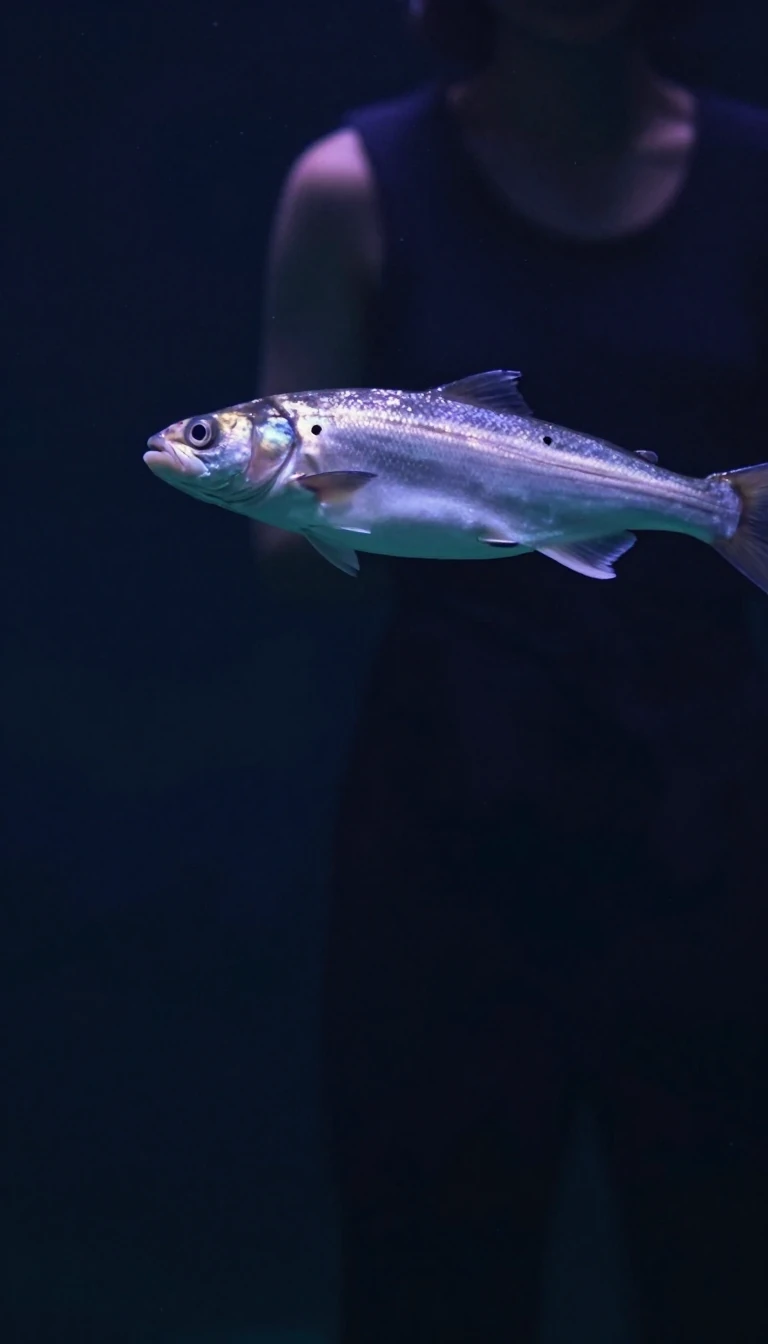
In short: Native to the Great Lakes and Mississippi basins, the yellow perch is a prolific, schooling fish essential to the survival of larger predators like walleye. Prized for its mild flavor, this resilient species has been widely introduced across North America, supporting both recreational angling and a growing aquaculture industry.
The yellow perch, scientifically known as Perca flavescens, is a freshwater fish native to central North America, particularly the Great Lakes and the Upper Mississippi River catchment. Its name reflects its appearance: Perca is derived from ancient Greek for perch, while flavescens is Latin for becoming gold or yellow. These fish are easily identified by their elongate, laterally compressed bodies, which feature six to eight vertical bars over a yellowish background. They are equipped with about 800 fine, brush-like teeth and two separate dorsal fins, the first of which contains 12 to 14 hard spines.
These fish are highly adaptable, inhabiting lakes, slow-moving rivers, and even brackish waters. They are iteroparous, meaning they spawn annually in the spring, typically at night. A unique characteristic of the species is its method of reproduction: females deposit thousands of eggs in a single, gelatinous, semi-buoyant strand that can reach up to 2 meters in length. These strands are draped over submerged vegetation or structures, where they remain without parental care. While they can live up to 10 years, their growth and lifespan are heavily influenced by environmental factors like water temperature and day length.
Beyond their ecological role as a primary prey source for species like walleye and largemouth bass, yellow perch are economically significant. For over a century, they have been harvested commercially in the Great Lakes using trapnets and gillnets. In 2002, the Canadian catch alone was estimated at 3,622 tons, valued at $16.7 million. While overfishing in the 1960s and 1970s impacted wild populations, aquaculture has emerged as a viable alternative. Because they thrive in high densities and accept pelleted feed, yellow perch are well-suited for controlled farming, helping to meet market demand while reducing pressure on wild stocks.
Opens the Intellect+ feed with this card first. Swipe up for the next one.
Sources
- Summary by Intellect · source: Yellow perch
- Also: Wikidata — Yellow Perch · CC0
To cite this card, link to https://intellectplus.co.uk/app/places-yellow-perch.
How we source, check and correct cards: Editorial standards.
General information, not professional advice. Spotted an error? Flag the card or see corrections and complaints.
Intellect Plus is a visual educational discovery platform for exploring fascinating facts and ideas. Brain Food, Not Brain Rot. What is Intellect Plus?
Related
More in Bodies of water · More in Countries & Cities · Latest · A–Z · All topics
