Why explorers call the Yarlung Tsangpo the Everest of rivers
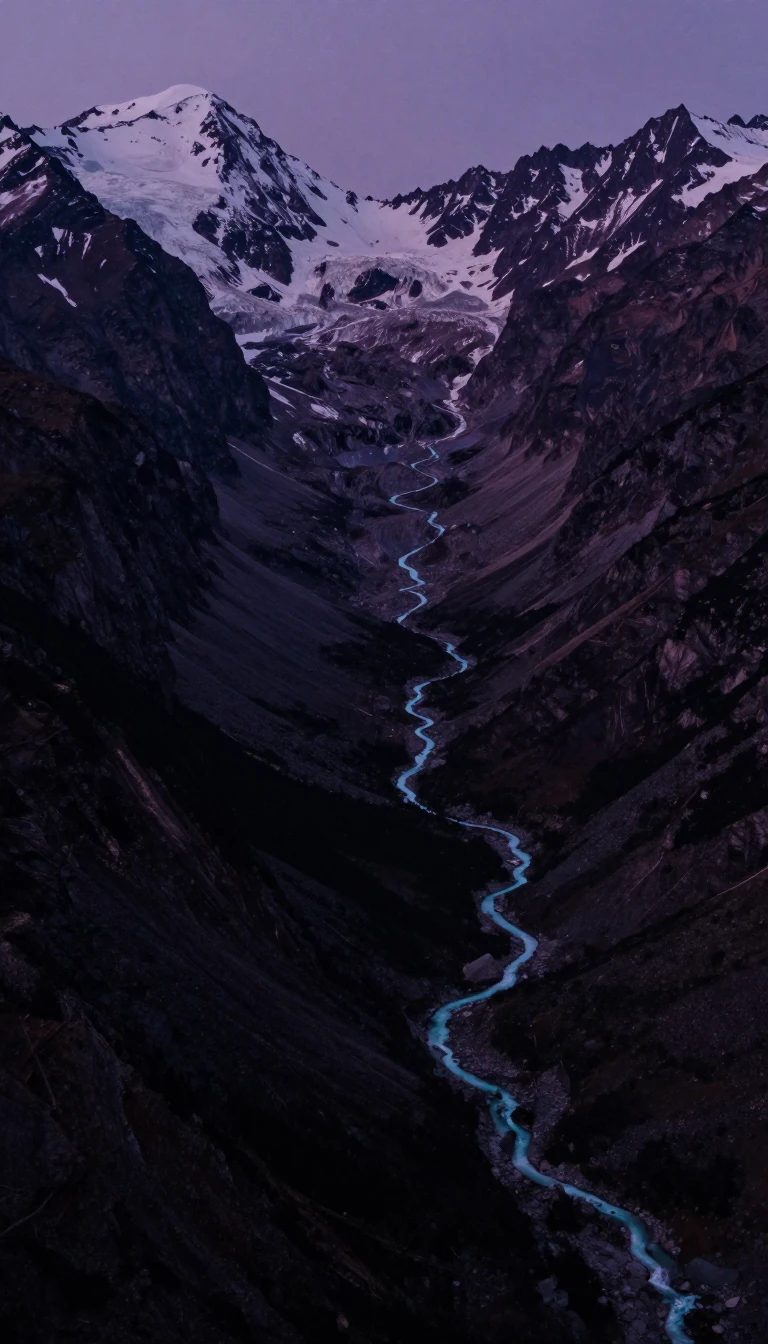
In short: Flowing through southeastern Tibet, the Yarlung Tsangpo carves the world’s deepest and longest canyon. With headwaters near Mount Kailash, it maintains the highest average elevation of any major river on Earth. This treacherous, largely inaccessible waterway has claimed lives and challenged the world’s most daring kayakers for decades.
The Yarlung Tsangpo is a river of superlatives. Spanning roughly 3,000 kilometers, it begins in western Tibet and flows across the Tibetan Plateau before making a dramatic, sharp bend at the eastern end of the Himalayas. Here, it plunges through a gorge carved into granitic bedrock that reaches depths exceeding 5,300 meters—making it three times deeper than the Grand Canyon. This rugged section, stretching over 500 kilometers, remains one of the least-explored places on the planet.
Navigating this gorge is a feat of extreme endurance. Early attempts to kayak the river were marked by tragedy, including a 1993 Japanese expedition that resulted in a fatality and a 1998 National Geographic-sponsored mission that ended with the death of expert kayaker Doug Gordon. Success finally arrived in 2002, when a team led by filmmaker Scott Lindgren completed the first descent of the upper gorge. The mission required 45 days on the water, supported by a massive land crew of 93 people and detailed analysis of satellite imagery, as maps of the region were virtually non-existent.
Beyond its status as a frontier for adventurers, the river is a site of significant geopolitical and engineering ambition. In 2025, construction officially began on the Medog Hydropower Station, a project designed to be the world’s largest dam. With an estimated cost of 1 trillion yuan, the facility has drawn scrutiny from neighboring India and Bangladesh, who have raised concerns regarding the potential downstream impact once the dam becomes operational after 2030. The river remains a complex intersection of natural mystery, human daring, and large-scale infrastructure.
The gorge itself is defined by the towering peaks of Namcha Barwa and Gyala Peri, which guard the entrance to its most inaccessible reaches. While the river is known for its extreme whitewater, it also holds secrets like the 'Hidden Falls,' which were not formally documented in the West until the late 1990s. Today, the Yarlung Tsangpo continues to be a focal point for both scientific study and intense international debate over the future of the Tibetan landscape.
Opens the Intellect+ feed with this card first. Swipe up for the next one.
Sources
- Summary by Intellect · source: Yarlung Tsangpo: The Everest of Rivers - NASA Science
- Also: Yarlung Tsangpo
To cite this card, link to https://intellectplus.co.uk/app/places-yarlung-tsangpo.
How we source, check and correct cards: Editorial standards.
General information, not professional advice. Spotted an error? Flag the card or see corrections and complaints.
Intellect Plus is a visual educational discovery platform for exploring fascinating facts and ideas. Brain Food, Not Brain Rot. What is Intellect Plus?
Related
More in Bodies of water · More in Countries & Cities · Latest · A–Z · All topics
