How a remote, mountainous Chinese county became the world's largest wholesale market
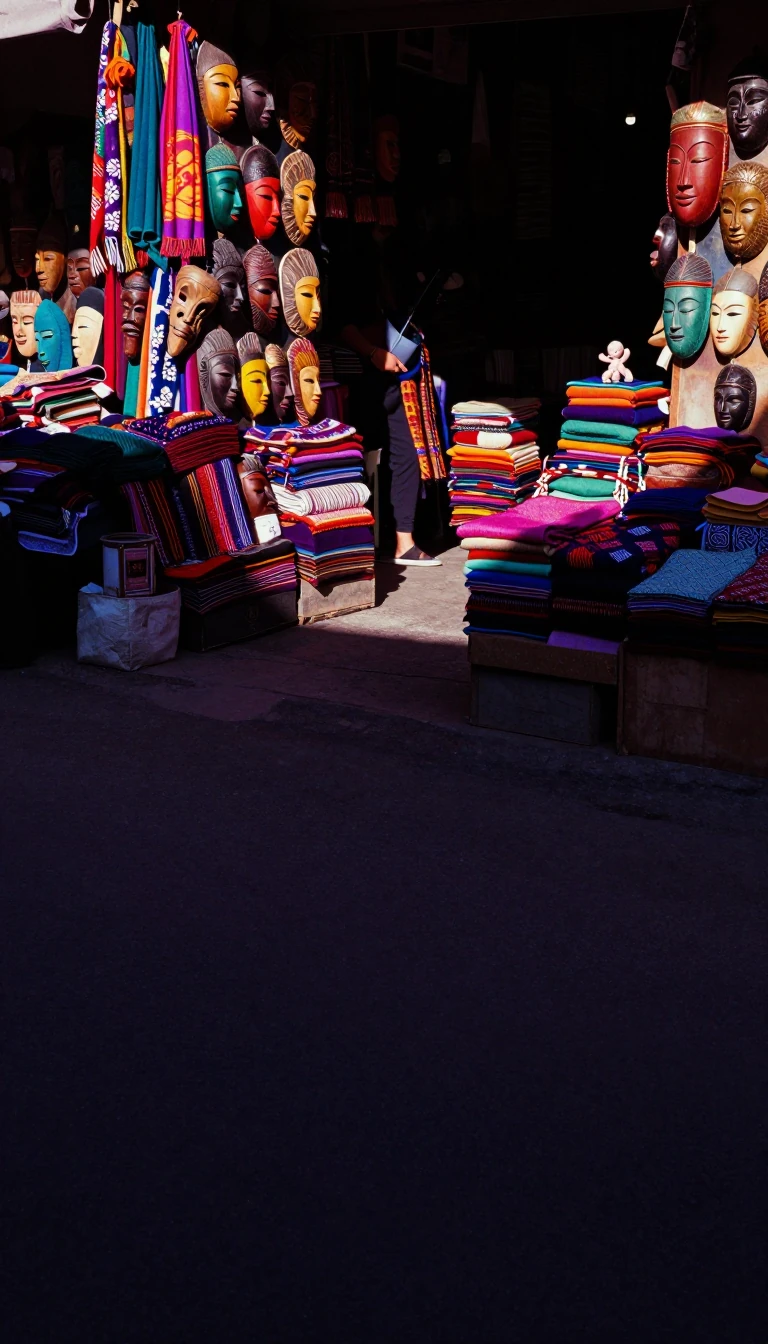
In short: Yiwu was once a place of poor soil where residents bartered chicken feathers for sugar to survive. Today, this unlikely hub is the engine of global small-commodity trade, connecting local merchants to markets from Madrid to London through a unique, bottom-up model of globalization that defies traditional economic expectations.
Historically, Yiwu was defined by its challenging geography. With mountainous terrain and infertile soil, its people turned to itinerant trade as a necessity. By the 16th century, this evolved into a distinct barter culture, where peddlers exchanged sugar for chicken feathers—a practice that laid the psychological groundwork for the city's future as a commercial powerhouse. After 1949, this spirit was suppressed under a planned economy, but informal trading persisted until market reforms in 1978 allowed it to resurface.
The city's modern transformation began in 1982 when local officials, led by Party Secretary Xie Gaohua, defied national prohibitions to formalize a market on a drainage ditch. This bold move created a template for bottom-up marketization. By 1992, the central government recognized the hub, and following China's 2001 entry into the World Trade Organization, Yiwu’s exports surged. Today, the Yiwu International Trade City is the world's largest wholesale market, organized into specialized districts for everything from jewelry to Christmas decorations.
Yiwu is now a cosmopolitan nexus where global trade meets local social dynamics. The city hosts thousands of international traders from the Middle East, Africa, and Central Asia, creating a unique urban landscape filled with halal restaurants, Arabic signage, and specialized schools. This globalization is supported by modern infrastructure, including the Yiwu–Madrid railway—the world's longest goods line—and digital platforms like Yiwu Pay. As researchers Saïd Belguidoum and Olivier Pliez note, Yiwu represents a rare model of globalization driven not by elite capital, but by the grassroots networks of small-scale traders and flexible local governance.
Opens the Intellect+ feed with this card first. Swipe up for the next one.
Sources
- Summary by Intellect · source: Yiwu
- Also: Wikidata — Yiwu County · CC0
- Also: Wikidata — Yiwu · CC0
To cite this card, link to https://intellectplus.co.uk/app/places-yiwu.
How we source, check and correct cards: Editorial standards.
General information, not professional advice. Spotted an error? Flag the card or see corrections and complaints.
Intellect Plus is a visual educational discovery platform for exploring fascinating facts and ideas. Brain Food, Not Brain Rot. What is Intellect Plus?
Related
More in Asia · More in Countries & Cities · Latest · A–Z · All topics
