Why this Ukrainian region has been renamed and repurposed by every passing empire
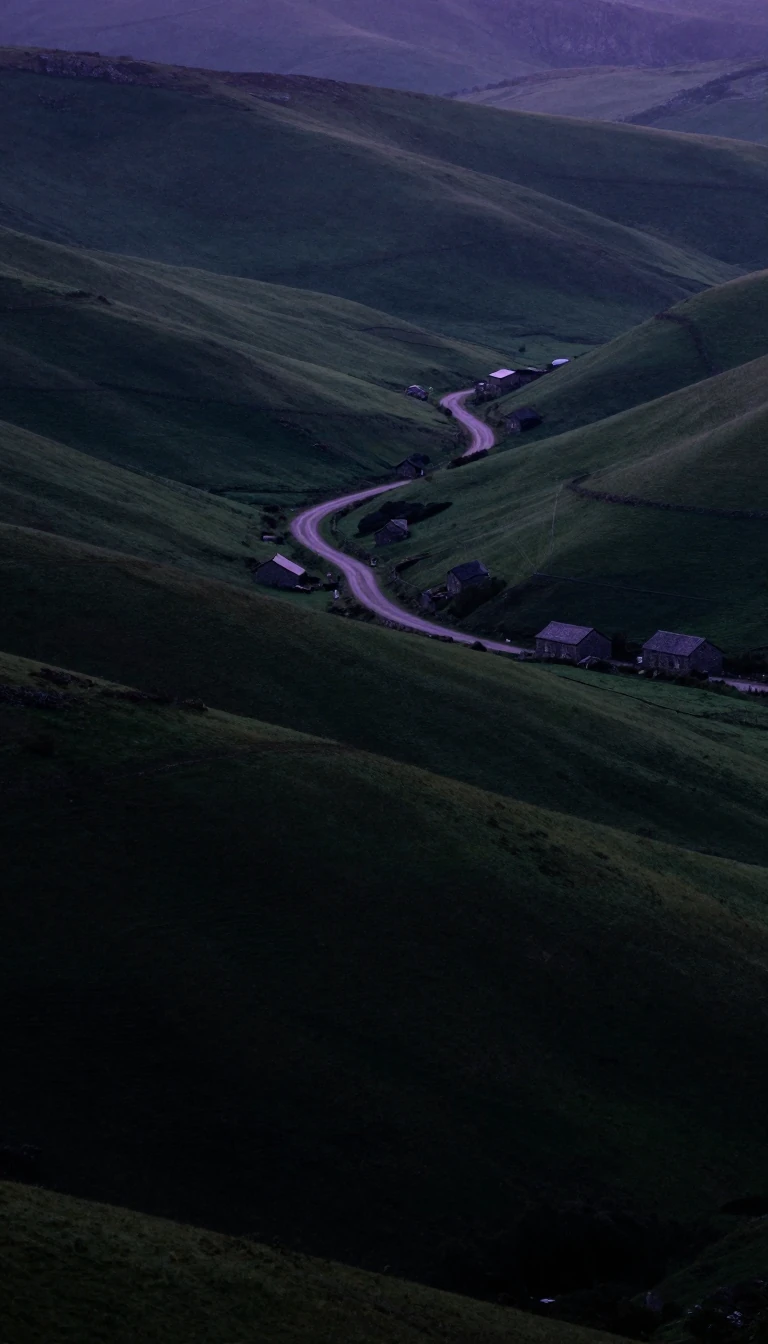
In short: Tucked into the Carpathian Mountains, Zakarpattia Oblast has been a geopolitical puzzle for centuries. Known by a dozen names and claimed by shifting powers, this region has endured forced collectivization, industrial experiments, and deep cultural suppression. Its history reveals how a borderland is shaped by the ambitions of distant capitals.
Zakarpattia Oblast, situated in western Ukraine, is defined by its location in the Carpathian Mountains and the Pannonian Basin. Its complex history is reflected in its many names, including Transcarpathia and Subcarpathia, which stem from different linguistic traditions emphasizing whether the region lies beyond or below the mountains. Historically known as Carpathian Ruthenia, the area was long influenced by the Kingdom of Hungary before becoming part of Czechoslovakia after World War I. It holds the unique distinction of having been governed by an American, Gregory Zhatkovich, in 1920.
The region's 20th-century history was marked by rapid, often violent transitions. Following the 1938 Munich Agreement and the subsequent collapse of the short-lived Carpatho-Ukraine in 1939, the territory was occupied by Hungary. The arrival of the Soviet Red Army in 1944 led to its formal annexation into the Ukrainian SSR in 1946. Soviet authorities immediately implemented a program of radical social engineering, including the forced collectivization of land, the suppression of the Greek Catholic Church, and the systematic replacement of local Rusyn identity with a standardized Ukrainian and Soviet cultural model.
Economic life under the Soviets saw attempts to transform the region into a hub for orchards and vineyards, though these efforts largely failed, as did experiments with tea and citrus. Instead, the state prioritized industrialization, establishing lumber mills and salt works to employ a growing population. Despite a 1991 referendum where 78% of voters supported autonomy, the region remained an oblast within independent Ukraine. Today, it stands as a testament to the resilience of a diverse population—including Hungarian, Romanian, and Rusyn minorities—who have navigated the overlapping legacies of empires that sought to define their identity from the outside.
Opens the Intellect+ feed with this card first. Swipe up for the next one.
Sources
- Summary by Intellect · source: Zakarpattia Oblast
- Also: Wikidata — Zakarpattia Oblast · CC0
- Also: Wikidata — Zakarpattia Oblast Council · CC0
To cite this card, link to https://intellectplus.co.uk/app/places-zakarpattia-oblast.
How we source, check and correct cards: Editorial standards.
General information, not professional advice. Spotted an error? Flag the card or see corrections and complaints.
Intellect Plus is a visual educational discovery platform for exploring fascinating facts and ideas. Brain Food, Not Brain Rot. What is Intellect Plus?
Related
More in Regions and country subdivisions · More in Countries & Cities · Latest · A–Z · All topics
