Why is this mountain city known as the Northern Gate of Beijing?
In short: For centuries, Zhangjiakou has served as a critical military stronghold and trade junction between the Mongolian plateau and the North China Plain. Known as the Northern Gate of Beijing, this strategic city has evolved from a Ming-era fortress into a modern hub for renewable energy and international winter sports.
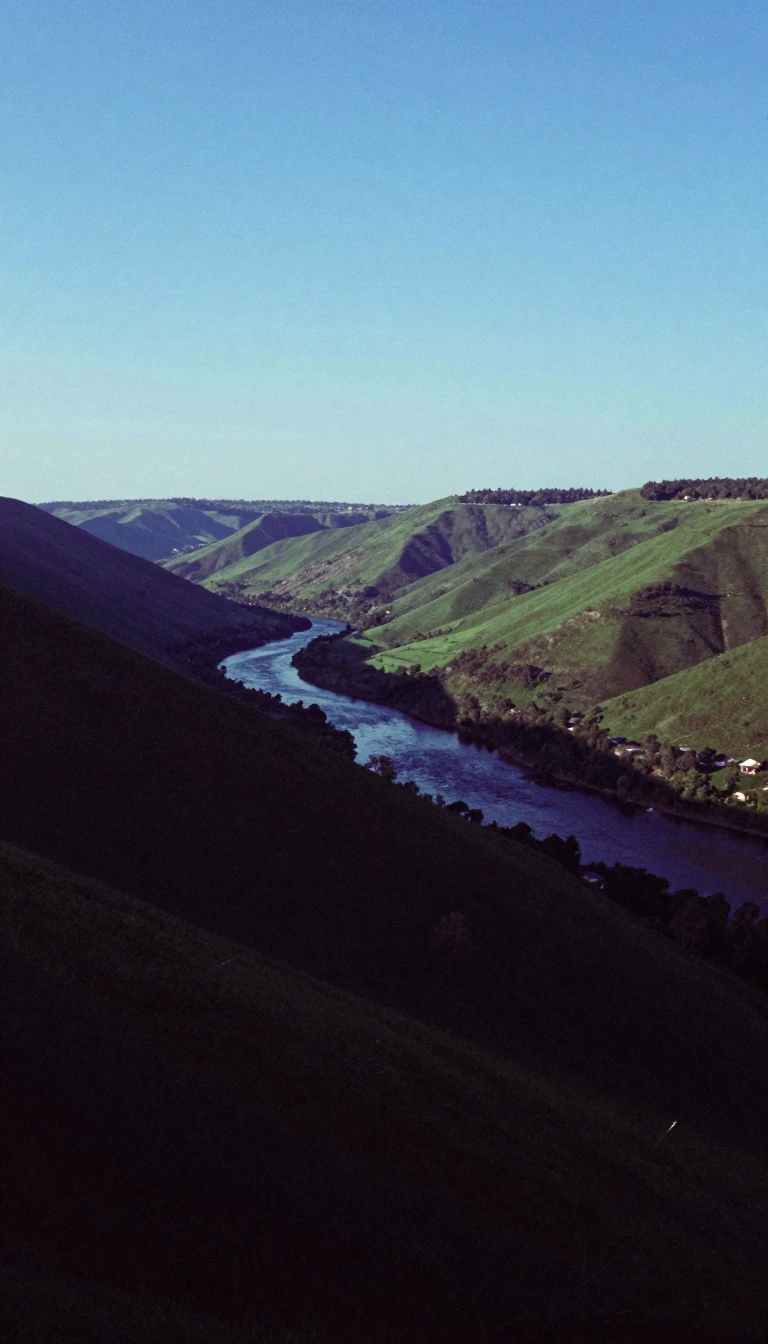
Located in northwestern Hebei province, Zhangjiakou occupies a rugged landscape where the Yan and Taihang mountains meet the Mongolian plateau. Its strategic value was recognized as early as the Ming dynasty, when official Zhang Wen directed the construction of a fortress in 1429, giving the city its name, which translates to 'pass of the Zhang family.' For centuries, the city functioned as a vital military outpost, earning nicknames like 'War Town' and serving as a buffer against northern invasions.
The city's role shifted significantly in 1571 after Altan Khan reached a peace agreement with the Ming dynasty. Zhangjiakou transformed into a bustling horse market and a key station on the Northern Tea Road, connecting China to Russia via the Gobi Desert. By the 19th century, it was a cosmopolitan center with a population of up to 100,000, hosting Russian merchants and camel caravans. This legacy of connectivity continued into the 20th century when Zhan Tianyou engineered the Beijing-Zhangjiakou Railway, the first line designed and built entirely by Chinese engineers, which opened in 1909.
Today, Zhangjiakou is defined by its commitment to ecological sustainability and tourism. As a host city for the 2022 Winter Olympics, it has leveraged its diverse topography—ranging from high-altitude grasslands to deep mountain valleys—to attract visitors year-round. Beyond its role as a recreational destination, the city is a powerhouse for green energy, holding 4.6% of China's wind resources and ranking second nationally in solar energy utilization. It remains a vital node for environmental protection, as it serves as a key water source for Beijing while maintaining some of the cleanest air in northern China.
Opens the Intellect+ feed with this card first. Swipe up for the next one.
Sources
- Summary by Intellect · source: Zhangjiakou
- Also: Wikidata — Zhangjiakou · CC0
To cite this card, link to https://intellectplus.co.uk/app/places-zhangjiakou.
How we source, check and correct cards: Editorial standards.
General information, not professional advice. Spotted an error? Flag the card or see corrections and complaints.
Intellect Plus is a visual educational discovery platform for exploring fascinating facts and ideas. Brain Food, Not Brain Rot. What is Intellect Plus?
Related
More in Major world cities · More in Countries & Cities · Latest · A–Z · All topics
