How Zurich Airport transformed from a makeshift shanty town into a global aviation hub.
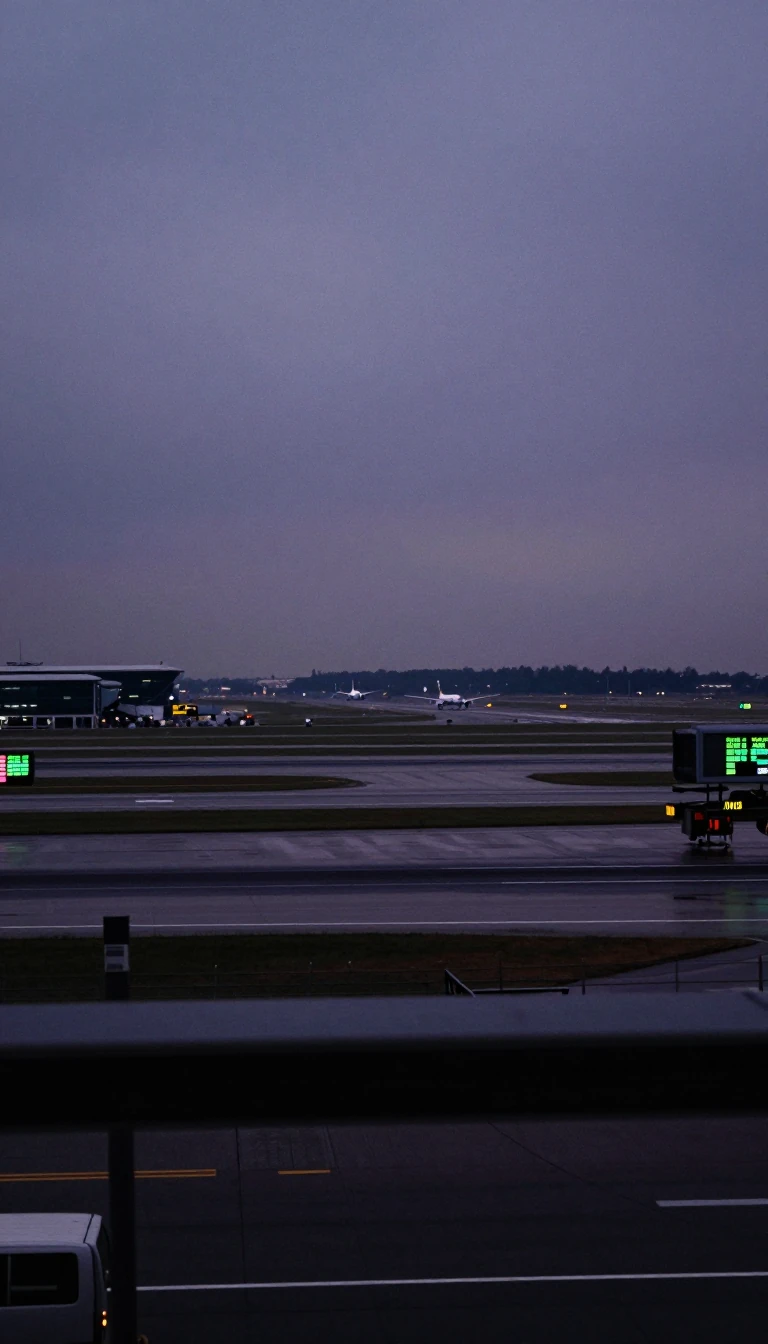
In short: Following the Second World War, Zurich Airport emerged from a modest moorland site. Through decades of complex political maneuvering, public referendums, and massive engineering projects, it evolved from a collection of temporary structures into Switzerland's primary international gateway, balancing rapid expansion with the growing demands of environmental and noise regulations.
The origins of Zurich Airport trace back to 1943, when a consortium led by Locher & Cie recommended replacing the city's existing airfield at Dübendorf with a dedicated commercial facility in the moorland between Kloten and Oberglatt. By 1945, the federal government designated Zurich as the site for a major intercontinental airport. Construction began in 1946, yet the early years were defined by provisional solutions. While flight operations commenced in 1948, the airport lacked proper terminal buildings, leading to the rise of a makeshift shanty town to the east of the site. It was not until 1953 that a permanent terminal building opened, finally allowing the shanty town to be abandoned.
Expansion was rarely smooth, often sparking intense political and public debate. In 1957, voters rejected a massive "super airport" expansion due to concerns over luxury spending and neglect of aircraft noise. Planners were forced to return with a redimensioned project in 1958, which voters approved. This pattern of public scrutiny continued throughout the 1970s and 1990s. The airport also faced dark chapters, including the 1969 attack on an El Al aircraft and the 1970 bombing of a Swissair flight by the PFLP, which fundamentally altered Swiss airport security protocols.
By the late 20th century, the focus shifted toward "Airport 2000," a massive CHF 2.4 billion project completed in 2004. This fifth construction phase introduced the Midfield Dock E, the Airside Center, and the Skymetro tramway. Throughout its history, the airport has been shaped by a unique governance model involving the canton of Zurich, the city of Zurich, and public limited companies like the Flughafen-Immobilien-Gesellschaft. Today, it stands as the principal hub for Swiss International Air Lines, having successfully navigated decades of rapid technological change, from the dawn of the jet age to the integration of high-speed rail links in 1980.
Opens the Intellect+ feed with this card first. Swipe up for the next one.
Sources
- Summary by Intellect · source: Zurich Airport
- Also: Wikidata — Zurich Airport · CC0
- Also: Wikidata — Zurich Airport railway station · CC0
To cite this card, link to https://intellectplus.co.uk/app/places-zurich-airport.
How we source, check and correct cards: Editorial standards.
General information, not professional advice. Spotted an error? Flag the card or see corrections and complaints.
Intellect Plus is a visual educational discovery platform for exploring fascinating facts and ideas. Brain Food, Not Brain Rot. What is Intellect Plus?
Related
More in History · Latest · A–Z · All topics
