How a tenth-century Persian mathematician redefined the way we measure the heavens
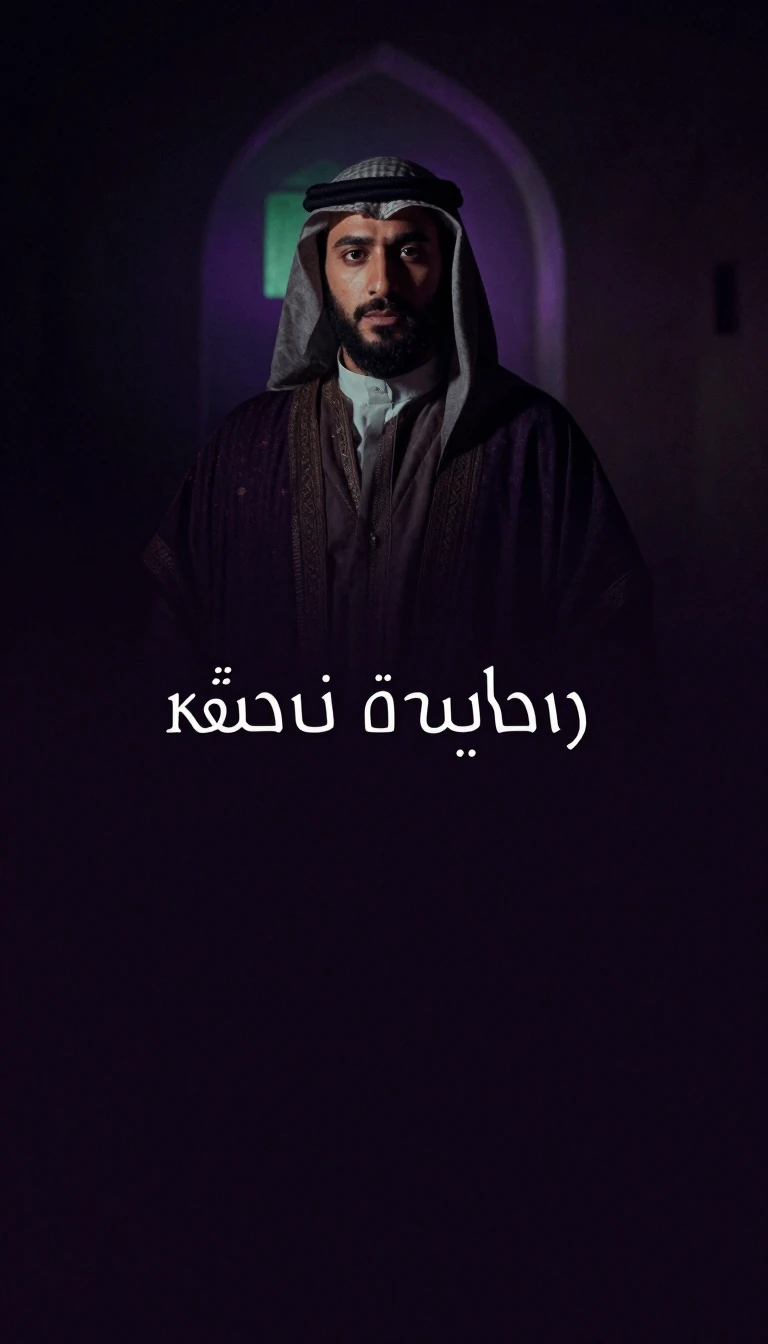
In short: Abu al-Wafa al-Buzjani transformed trigonometry by introducing the secant and cosecant functions and pioneering the use of negative numbers. Working in Baghdad, he built innovative astronomical instruments and calculated sine tables with unprecedented accuracy, leaving a legacy that influenced astronomers for centuries and even earned him a lunar crater.
Born in 940 in Buzhgan, Abu al-Wafa moved to Baghdad at age 19, where he thrived under the patronage of the Buyid court. He was a central figure in a vibrant scientific community, working alongside contemporaries like Abu Sahl al-Qūhī. His contributions to mathematics were foundational; he is credited with defining the tangent function and establishing modern trigonometric identities, such as the sine addition formula, which replaced the cumbersome chord-based methods used by ancient Greek mathematicians.
His astronomical work was equally significant. He was the first to construct a wall quadrant for celestial observation, a tool that allowed for more precise measurements of the sky. In 997, he collaborated on a landmark experiment to determine the longitudinal time difference between Baghdad and Kath, achieving results remarkably close to modern calculations. While only the first seven treatises of his Almagest survive, his observational data remained a vital resource for later scholars, including the renowned astronomer al-Biruni.
Beyond pure science, Abu al-Wafa bridged the gap between theory and practice. His book on arithmetic for scribes and businessmen introduced negative numbers to the medieval Islamic world, while his geometric manual provided over one hundred constructions for craftsmen, including methods for creating a regular heptagon. Although some of his specific innovations—such as the exact origin of the tangent function—remain subjects of historical debate, his influence on the development of trigonometry and practical geometry is undeniable, cementing his place in the history of science.
Opens the Intellect+ feed with this card first. Swipe up for the next one.
Sources
- Summary by Intellect · source: Abu al-Wafa' al-Buzjani
To cite this card, link to https://intellectplus.co.uk/app/science-abu-al-wafa-al-buzjani.
How we source, check and correct cards: Editorial standards.
General information, not professional advice. Spotted an error? Flag the card or see corrections and complaints.
Intellect Plus is a visual educational discovery platform for exploring fascinating facts and ideas. Brain Food, Not Brain Rot. What is Intellect Plus?
Related
More in Mathematicians · More in Science · Latest · A–Z · All topics
