Why the world's largest aircraft graveyards are built in deserts
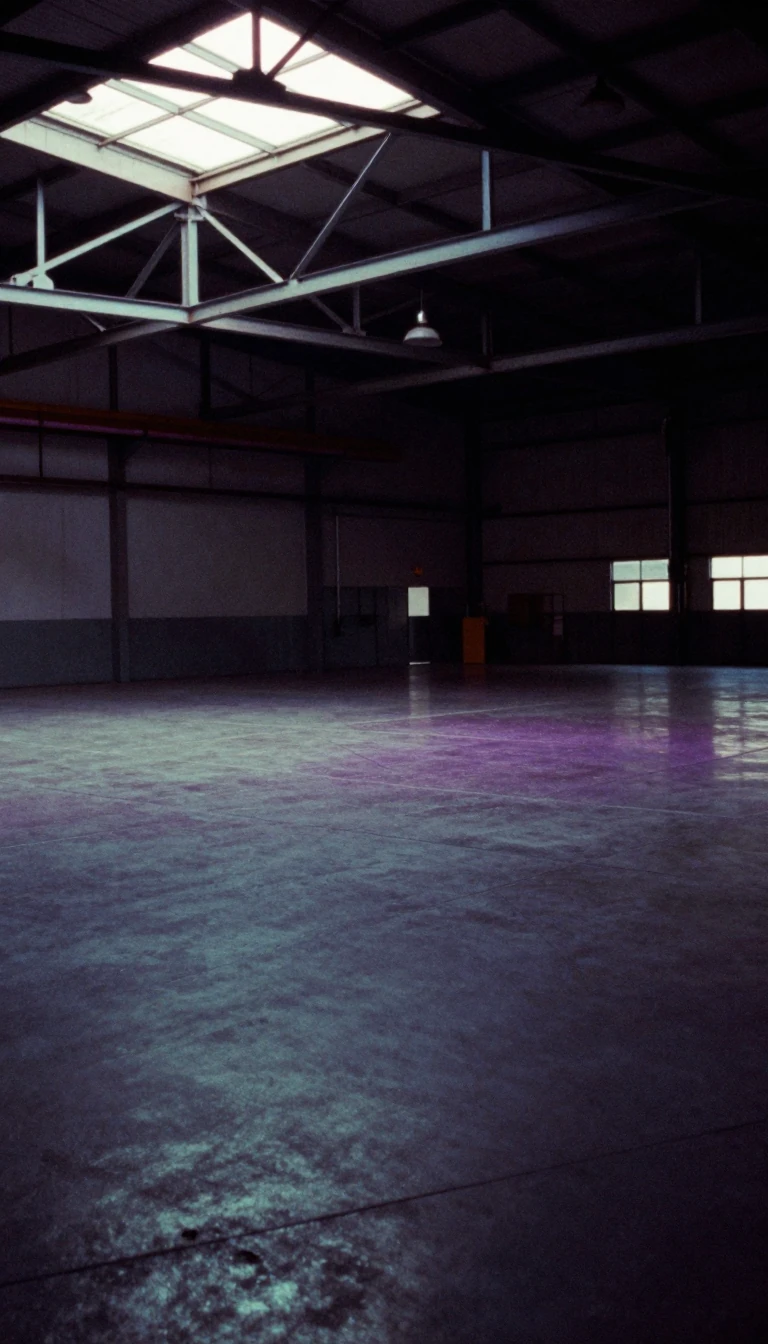
In short: An aircraft boneyard is more than a graveyard; it is a strategic reservoir of high-tech components. From the scorching sands of Arizona to the plains of France, these facilities preserve the skeletal remains of aviation history, waiting for a shift in global demand to breathe life back into the metal.
Aircraft boneyards are specialized storage facilities for retired planes, strategically located in arid environments like the southwestern United States. The primary reason for this geographic choice is the dry climate, which significantly reduces corrosion on the airframes. Additionally, the hard, dry ground of these regions eliminates the need for expensive paved runways, making them ideal for housing massive fleets of decommissioned machinery. The lifecycle of a boneyard aircraft is rarely a straight line toward destruction.
While many planes are stripped of engines, electronics, and wiring for resale or recycling, others are held in a state of suspended animation. Acting as vital reserves, sites like 'The Boneyard'—the 309th Aerospace Maintenance and Regeneration Group situated within Tucson's Davis-Monthan Air Force Base, Arizona—provide essential storage.
When military demands shift or commercial markets fluctuate, these planes can be pulled from storage, reconditioned with new avionics and safety measures, and returned to active duty as a cost-effective alternative to purchasing new fleets. However, there is a logistical tipping point to this preservation. The COVID-19 pandemic in 2020 highlighted the complexities of long-term storage; aircraft intended for short-term stays that remained grounded for months became significantly harder to reactivate. The time required to return a plane to airworthy status scales with its size: a narrowbody aircraft requires roughly 40 worker hours of maintenance, while a widebody aircraft demands approximately 100 worker hours. This illustrates the delicate balance between preserving assets and the escalating costs of maintaining them over time.
Opens the Intellect+ feed with this card first. Swipe up for the next one.
Sources
- Summary by Intellect · source: Aircraft graveyard
To cite this card, link to https://intellectplus.co.uk/app/science-aircraft-graveyard.
How we source, check and correct cards: Editorial standards.
General information, not professional advice. Spotted an error? Flag the card or see corrections and complaints.
Intellect Plus is a visual educational discovery platform for exploring fascinating facts and ideas. Brain Food, Not Brain Rot. What is Intellect Plus?
Related
More in Scientists, inventors and mathematicians · More in Science · Latest · A–Z · All topics
