How a remote volcanic island became a laboratory for the world's most delicate restoration.
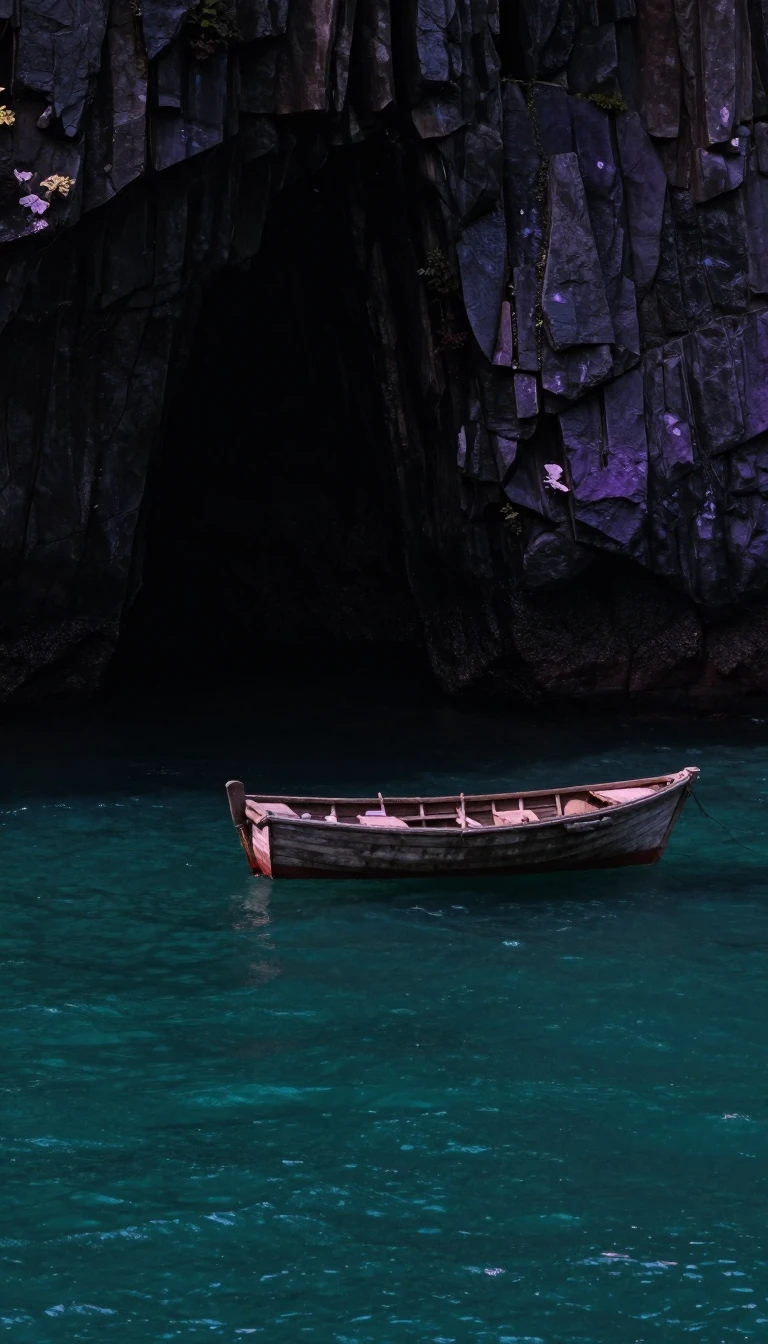
In short: Anacapa Island, a rugged volcanic fragment off the California coast, was once overrun by invasive rats that decimated native seabird populations. To save the island's unique ecosystem, conservationists executed a controversial, high-stakes eradication program that required protecting an endemic deer mouse subspecies while simultaneously eliminating a destructive, non-native rodent threat.
Formed by volcanic eruptions between 15 and 19 million years ago, Anacapa Island is a series of three islets characterized by steep cliffs and dramatic erosional features like sea arches. Its isolation allowed for the evolution of unique species, including the Anacapa deer mouse and the rare Anacapa Island desert-dandelion. However, human activity—ranging from sheep ranching in the 1870s to the construction of a lighthouse in the 1930s—introduced invasive species that fundamentally altered the island's landscape and biodiversity.
The most severe ecological threat came from black rats, which were likely introduced in the early 20th century. By the late 1990s, these rats were responsible for attacking over 96 percent of nests belonging to the threatened Scripps's murrelet. In 2001 and 2002, the National Park Service launched an ambitious eradication program using the rodenticide brodifacoum. This effort was unprecedented in North America, as it marked the first time biologists attempted to remove an invasive rodent from an island while simultaneously ensuring the survival of an endemic rodent subspecies.
To protect the Anacapa deer mouse, researchers utilized a Population Viability Analysis to determine that a group of 333 mice had a high probability of survival. They captured approximately 300 mice before the aerial application of the rodenticide and reintroduced them to the island three months later. The $1.8 million project proved highly successful: post-eradication studies showed Scripps's murrelet nesting attempts doubled, and hatching success rose from 42 to 80 percent. Furthermore, species like Cassin's auklet began nesting on the island for the first time on record, demonstrating the rapid recovery of the island's fragile ecological balance.
Opens the Intellect+ feed with this card first. Swipe up for the next one.
Sources
- Summary by Intellect · source: Anacapa Island
To cite this card, link to https://intellectplus.co.uk/app/science-anacapa-island.
How we source, check and correct cards: Editorial standards.
General information, not professional advice. Spotted an error? Flag the card or see corrections and complaints.
Intellect Plus is a visual educational discovery platform for exploring fascinating facts and ideas. Brain Food, Not Brain Rot. What is Intellect Plus?
Related
More in Physics · More in Science · Latest · A–Z · All topics
