How a self-taught engineer unlocked the secrets of human movement and nerve impulses.
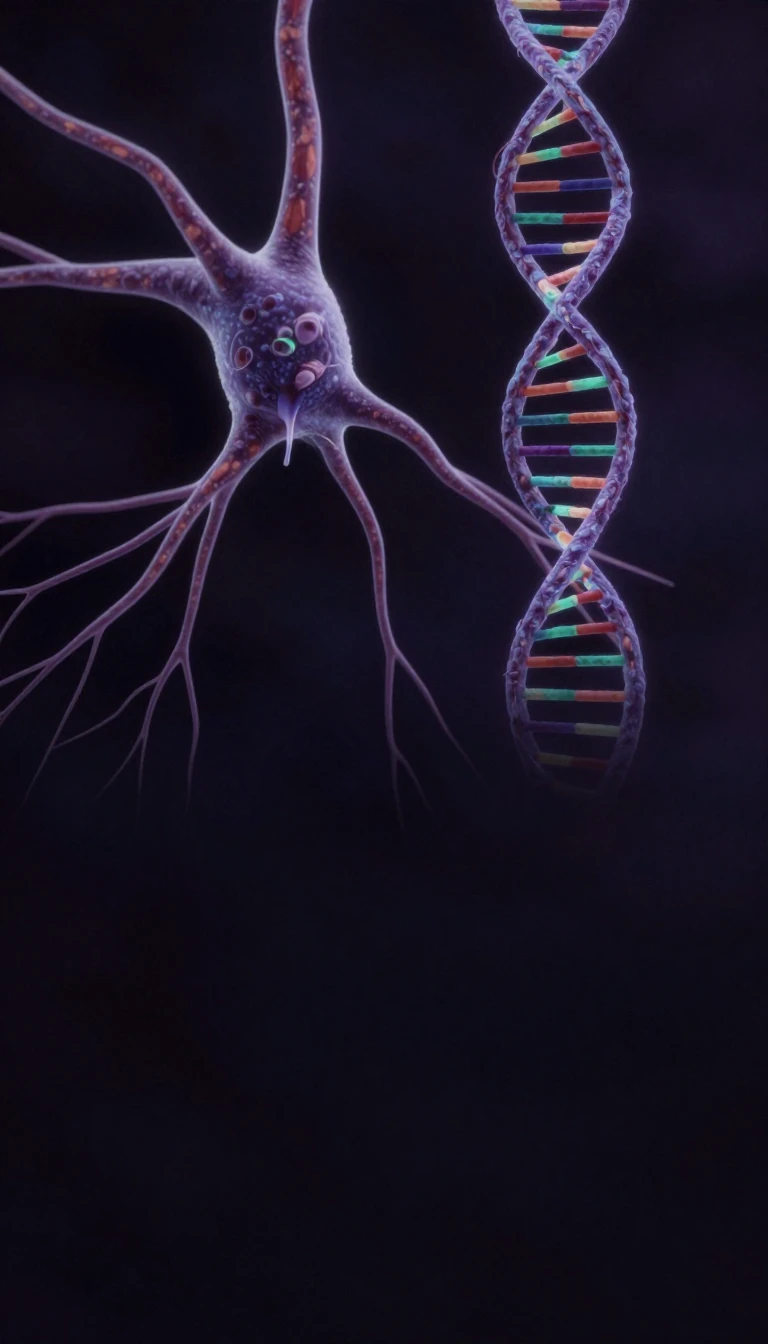
In short: Sir Andrew Huxley was a master of custom-built instrumentation who transformed biology. By applying rigorous mechanical engineering to the study of living tissue, he decoded how nerves fire and how muscles contract, fundamentally changing our understanding of how the body functions and earning a Nobel Prize in the process.
Born in 1917 into a family of prominent thinkers, Andrew Huxley initially intended to become an engineer. His early proficiency with a lathe and mechanical design proved essential to his scientific career, as he frequently constructed the specialized equipment required for his research. After switching his studies to physiology at Trinity College, Cambridge, he teamed up with Alan Hodgkin to investigate the transmission of electrical signals along nerve fibres.
Their breakthrough came from studying the giant axons of Atlantic squid, which allowed them to measure electrical potentials that were otherwise too small to observe. By 1952, they had developed a mathematical model explaining the action potential as a wave of ion diffusion across the nerve membrane. This work, which earned them the 1963 Nobel Prize in Physiology or Medicine, remains the foundation for understanding voltage-sensitive membrane channels in animal nervous systems.
Huxley later turned his attention to muscle mechanics. Using interference microscopy, he and his colleagues discovered the sliding filament theory in 1954, which describes how actin and myosin filaments generate force. This paradigm shift explained how muscles contract and has since been extended to describe almost all cellular movement above the level of bacteria. Huxley’s career was marked by such precision, from his wartime work on radar to his leadership as President of the Royal Society, where he defended Darwinian evolution and scientific inquiry until his death in 2012.
Opens the Intellect+ feed with this card first. Swipe up for the next one.
Sources
- Summary by Intellect · source: Andrew Huxley
To cite this card, link to https://intellectplus.co.uk/app/science-andrew-huxley.
How we source, check and correct cards: Editorial standards.
General information, not professional advice. Spotted an error? Flag the card or see corrections and complaints.
Intellect Plus is a visual educational discovery platform for exploring fascinating facts and ideas. Brain Food, Not Brain Rot. What is Intellect Plus?
Related
More in Biology · More in Science · Latest · A–Z · All topics
