The art historian who spent his nights passing state secrets to the Soviet Union.
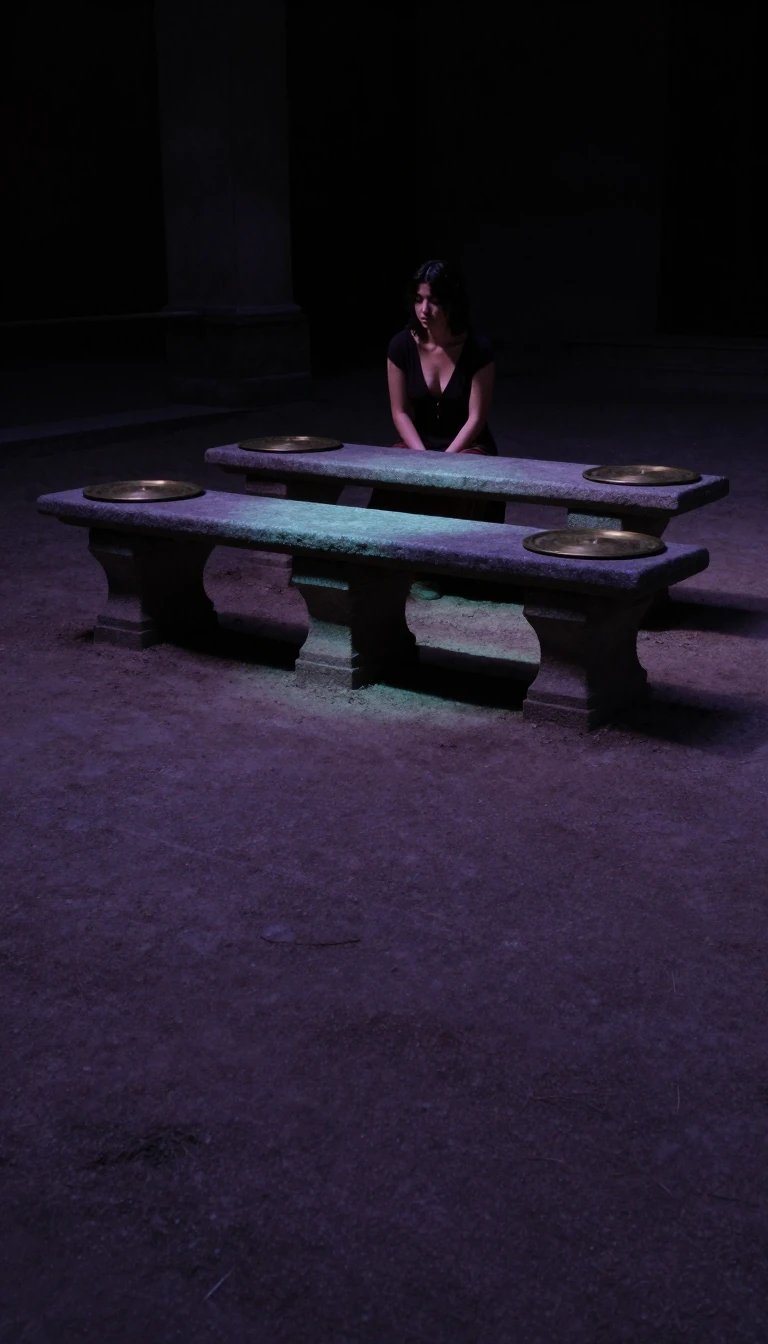
In short: Anthony Blunt was a titan of British art history and a trusted advisor to the Royal Family. Yet, behind this veneer of academic prestige lay a double life as a Soviet spy. For decades, he operated within the heart of British intelligence, fundamentally betraying his country while curating the King's pictures.
Born in 1907, Anthony Blunt was a brilliant academic who rose to become the Surveyor of the King’s (and later the Queen’s) Pictures and the Director of the Courtauld Institute. His scholarly contributions, particularly his work on the 17th-century painter Nicolas Poussin, helped establish art history as a serious discipline in Great Britain. To the public, he was a knighted intellectual, a man of refined taste and immense cultural influence. In private, however, he was a key member of the Cambridge Five, a group of graduates who funneled classified information to the Soviet Union.
Blunt’s path to espionage began in the 1930s at Trinity College, Cambridge, where he joined the secret Cambridge Apostles discussion group. Influenced by his friend Guy Burgess, Blunt began to sympathize with communist ideas. By early 1937, he was recruited as a Soviet agent. During the Second World War, he served in the Intelligence Corps and later MI5, where he gained access to sensitive information. He used this position to pass intelligence to his Soviet handlers and, crucially, to warn fellow agents of counterintelligence operations that threatened their safety.
His exposure was a slow, agonizing process. After assisting Burgess and Donald Maclean in their 1951 escape to Moscow, Blunt faced repeated interviews by MI5. Despite suspicions, he remained undetected until 1964, when American publisher Michael Straight confessed to being recruited by Blunt. Confronted by MI5 officer Arthur Martin, Blunt finally admitted his betrayal. He was granted immunity from prosecution, and his secret remained buried for another fifteen years. When his role as the 'fourth man' was finally revealed in 1979, he was stripped of his knighthood, leaving behind a legacy defined by a profound, lifelong deception.
The extent of Blunt's espionage remains a subject of scrutiny. While he later described his spying as the 'biggest mistake' of his life, he provided few details about his activities. His confession was described by his interrogator as 'natural and unpremeditated,' yet there was a lingering sense that he held back the full truth. His story serves as a stark reminder of how ideological conviction can lead even the most brilliant minds to commit acts of deep, enduring treachery.
Opens the Intellect+ feed with this card first. Swipe up for the next one.
Sources
- Summary by Intellect · source: Anthony Blunt's confession
- Also: Anthony Blunt | Surveyor of Queen’s Pictures, MI5 Agent, Cambridge Five | Britannica
- Also: Anthony Blunt
To cite this card, link to https://intellectplus.co.uk/app/science-anthony-blunt.
How we source, check and correct cards: Editorial standards.
General information, not professional advice. Spotted an error? Flag the card or see corrections and complaints.
Intellect Plus is a visual educational discovery platform for exploring fascinating facts and ideas. Brain Food, Not Brain Rot. What is Intellect Plus?
Related
More in Social scientists · More in Science · Latest · A–Z · All topics
