Avoirdupois: How a medieval term for heavy goods became our standard for weight
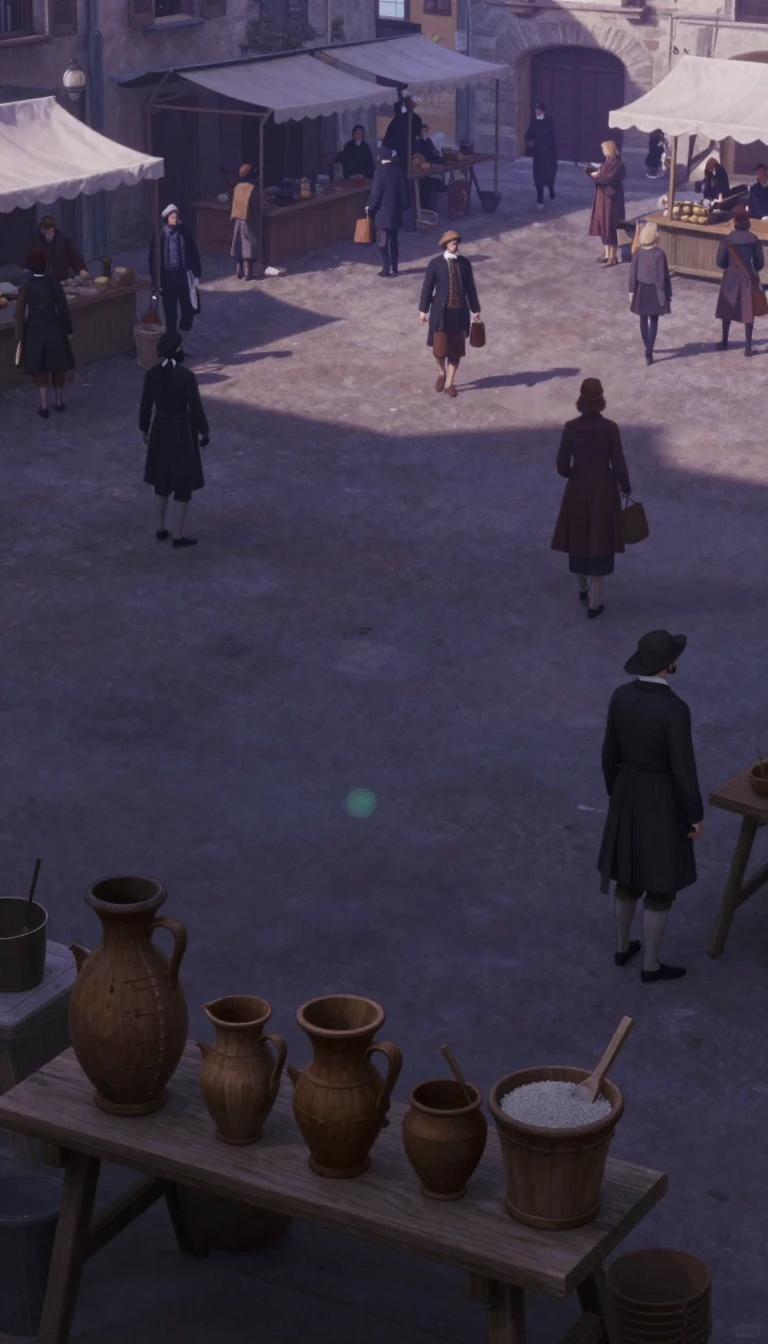
In short: The term avoirdupois sounds like a refined French measurement, but it originally referred to a class of bulky merchandise rather than a system of units. Emerging in the 13th century to facilitate the international wool trade, this system eventually conquered competing standards by offering simple, divisible units for everyday commerce.
The origins of the word lie in the Anglo-Norman French phrase aveir de peis, meaning goods of weight. In the early 14th century, documents like the Tractatus de Ponderibus et Mensuris used the term to distinguish heavy commodities—such as grain, ore, and wool—from items sold by volume or count. While the system was likely developed in France or Florence to support the regrowth of long-distance trade, it found a permanent home in England. By the time of Henry VIII and Elizabeth I, it had been codified into law as the standard for weighing goods.
The system’s enduring success is often attributed to its mathematical convenience. Unlike competing systems that relied on 12 or 15 subdivisions, the avoirdupois pound was divided into 16 ounces, which could be halved repeatedly. This binary structure made it highly practical for merchants. Over centuries, the system evolved through various royal decrees and legislative acts. Queen Elizabeth I, for instance, standardized the pound at 7,000 grains in 1588. Later, the 1824 and 1855 Weights and Measures Acts in the United Kingdom further refined these standards, eventually tying them to physical prototypes and scientific constants.
Today, the system remains a cornerstone of everyday life in the United States and, to varying degrees, the United Kingdom. While the metric system has been officially adopted globally, the avoirdupois pound was internationally fixed in 1959 at exactly 0.45359237 kilograms. This agreement finally harmonized the US customary pound and the British imperial pound, ending centuries of minor regional variations. Despite the rise of SI units, the legacy of the medieval wool trade persists in our kitchens, markets, and industrial scales, proving that a system built for the 13th-century marketplace remains surprisingly resilient in the modern age.
Opens the Intellect+ feed with this card first. Swipe up for the next one.
Sources
- Summary by Intellect · source: Avoirdupois
To cite this card, link to https://intellectplus.co.uk/app/science-avoirdupois.
How we source, check and correct cards: Editorial standards.
General information, not professional advice. Spotted an error? Flag the card or see corrections and complaints.
Intellect Plus is a visual educational discovery platform for exploring fascinating facts and ideas. Brain Food, Not Brain Rot. What is Intellect Plus?
Related
More in History · Latest · A–Z · All topics
