Why a single seed of wheat once defined the weight of English currency
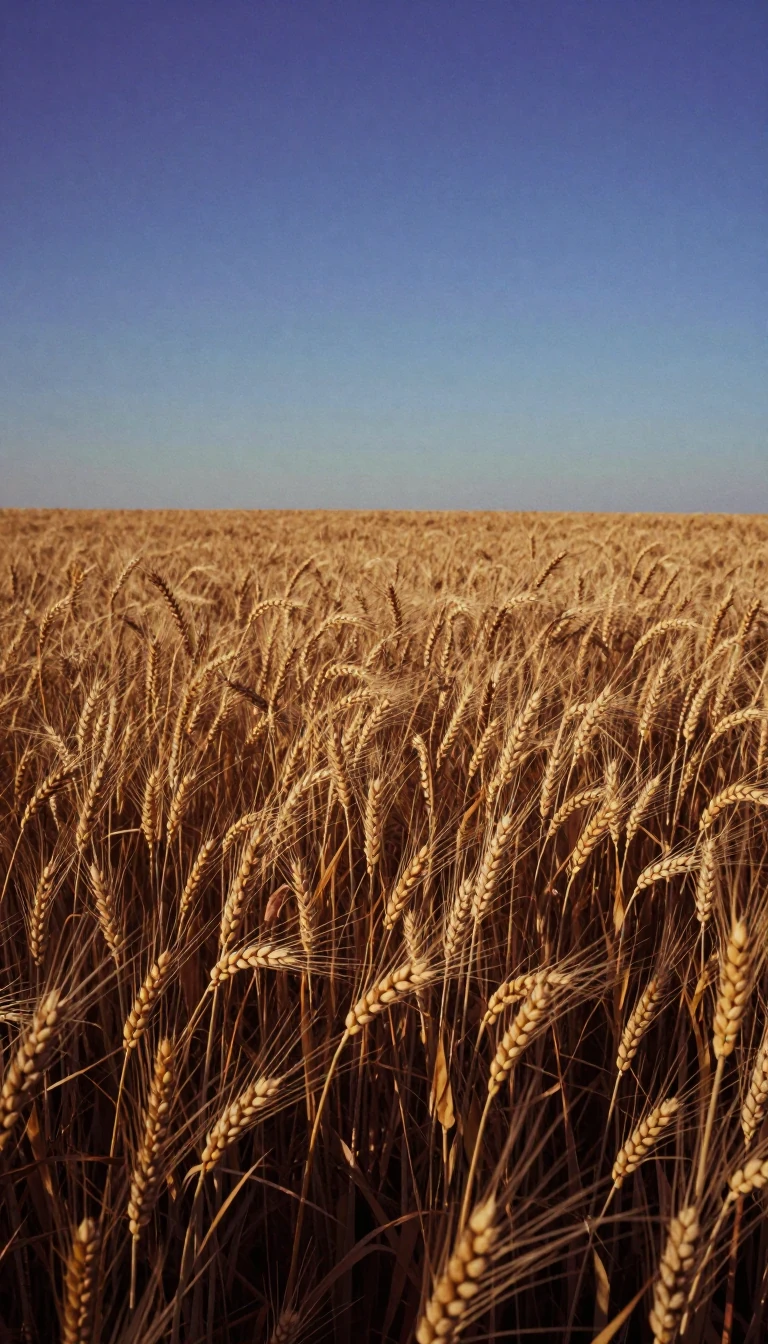
In short: The grain is a unit of mass rooted in the ancient practice of using cereal seeds as counterweights. Though now precisely defined as 64.79891 milligrams, this unit once served as the legal foundation for traditional English weight systems, linking the weight of silver pennies to the harvest of wheat fields.
From the Bronze Age through the Renaissance, Mediterranean traders and English monarchs alike relied on the physical mass of seeds to standardize commerce. A longstanding tradition held that a single carat, based on the carob seed, equaled four wheat grains or three barleycorns. However, because seed mass fluctuates significantly with moisture, these definitions functioned more as ritualistic conventions than absolute physical laws. By the thirteenth century, English royal decrees—tracing back to King Offa in the eighth century—formalized these measures to ensure the integrity of the sterling penny.
The evolution of the grain reveals a complex history of competing weight systems. The Tower pound, which was the fundamental unit of the pre-1527 English system, relied on wheat grains. In contrast, the troy and avoirdupois systems eventually adopted the barleycorn grain as their standard. The Tower pound was eventually abolished in 1527, being roughly 6% lighter than the troy pound. Over centuries, the avoirdupois pound—the standard for general goods—was refined until the Imperial Weights and Measures Act of 1824 fixed it at exactly 7,000 grains.
Today, the grain persists in specialized fields despite being obsolete in general commerce. It remains the standard for measuring bullets, propellants, and archery arrows. In North American water treatment, hardness is often expressed in grains per U.S. gallon, where one grain is roughly 17.1 parts per million. While rarely seen in modern medicine, the apothecaries' system occasionally lingers in older prescriptions, where a 325 mg aspirin tablet might still be described as five grains. Since the 1959 international agreement, the grain is officially anchored to the metric system at 64.79891 milligrams, finally moving beyond its agricultural origins.
Opens the Intellect+ feed with this card first. Swipe up for the next one.
Sources
- Summary by Intellect · source: Grain (unit)
To cite this card, link to https://intellectplus.co.uk/app/science-grain-unit.
How we source, check and correct cards: Editorial standards.
General information, not professional advice. Spotted an error? Flag the card or see corrections and complaints.
Intellect Plus is a visual educational discovery platform for exploring fascinating facts and ideas. Brain Food, Not Brain Rot. What is Intellect Plus?
Related
More in Measurement · More in Science · Latest · A–Z · All topics
