The controversial mineral history of a common nursery staple
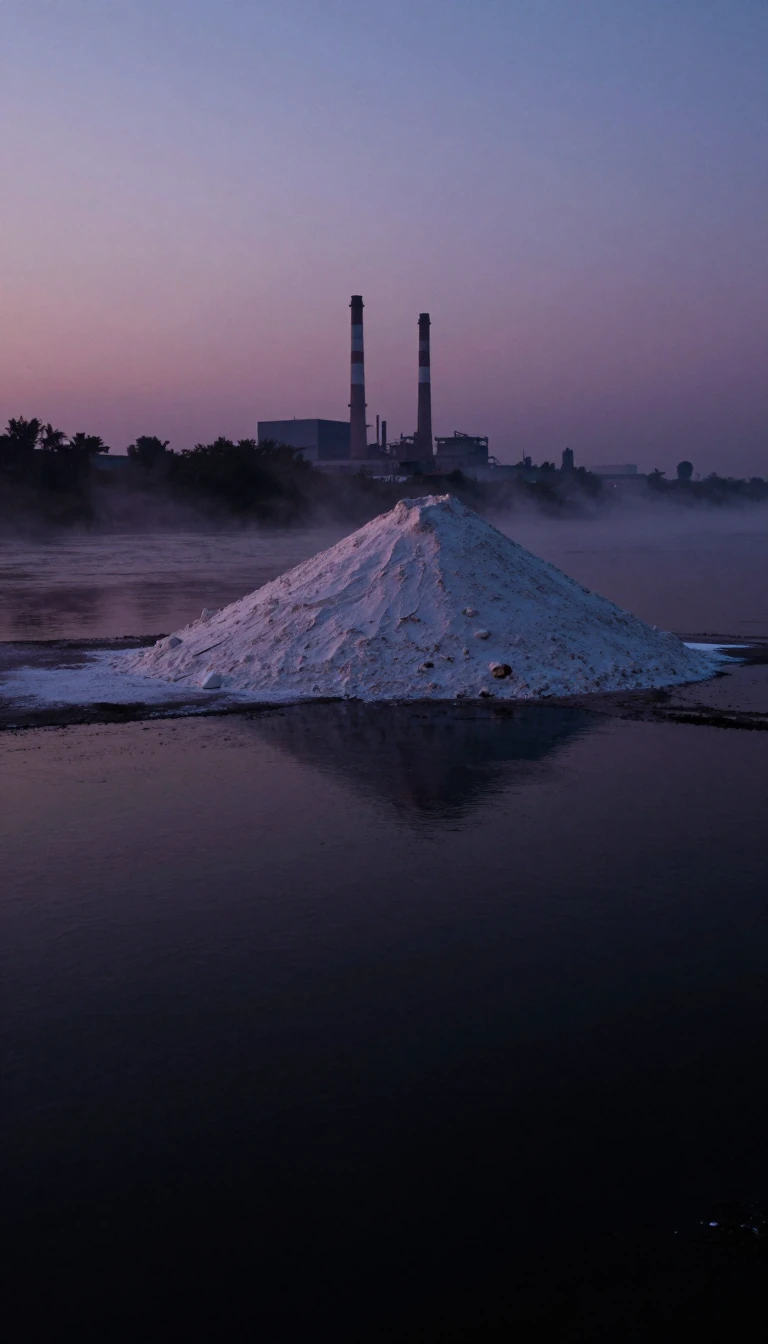
In short: Most people view baby powder as a simple cosmetic, but its history is a complex web of industrial chemistry and legal battles. From its 19th-century origins as a medical remedy to modern debates over carcinogens and asbestos, the powder's composition has fundamentally shifted in response to public health concerns.
The history of talcum baby powder began in the early 1890s. Frederick Barnett Kilmer, the first scientific director of Johnson and Johnson, first prescribed talcum powder in 1892 to soothe skin irritation caused by the company's medical plasters. By 1894, the company began mass-producing Johnson's Baby Powder as a standalone product. While primarily used today to prevent diaper rash, the powder serves various functions, including a dry shampoo, an air freshener, and a cleaning agent for removing grease stains.
The mineral talc is a phyllosilicate found in the pyrophyllite-talc group. However, its use has faced significant scrutiny due to health risks. When inhaled, talcum powder can cause aspiration pneumonia and granuloma, with severe cases potentially leading to chronic respiratory problems or death. In contrast, corn starch powder contains larger particles that are less likely to be inhaled. This distinction is important because corn starch has become the primary alternative in many markets.
The safety of talc-based products has been a point of intense legal and scientific contention for decades. Some studies have suggested a statistical link between talc application in the perineal area of female babies and ovarian cancer, though a scientific consensus on causality has not been reached. A legal dispute escalated during 2016 as upwards of 1,000 American women took Johnson & Johnson to court. Allegations have also surfaced regarding the presence of asbestos; a 2025 UK lawsuit claimed the company knew of asbestos in its powder as far back as the 1960s.
In response to these concerns, the industry has undergone a major transition. By 2020, Johnson & Johnson ceased distribution of baby powder containing talc across Canada and the United States, planning a worldwide transition to cornstarch alternatives by 2023. Despite these changes, the company maintains that its talc-based products do not contain asbestos and are safe for use, while Kenvue UK asserts that talc is not a carcinogen and that their products meet all relevant standards.
Opens the Intellect+ feed with this card first. Swipe up for the next one.
Sources
- Summary by Intellect · source: Baby powder
To cite this card, link to https://intellectplus.co.uk/app/science-baby-powder.
How we source, check and correct cards: Editorial standards.
General information, not professional advice. Spotted an error? Flag the card or see corrections and complaints.
Intellect Plus is a visual educational discovery platform for exploring fascinating facts and ideas. Brain Food, Not Brain Rot. What is Intellect Plus?
Related
More in Materials · More in Science · Latest · A–Z · All topics
