From medieval spears to modern baiting, how humans have hunted bears for millennia
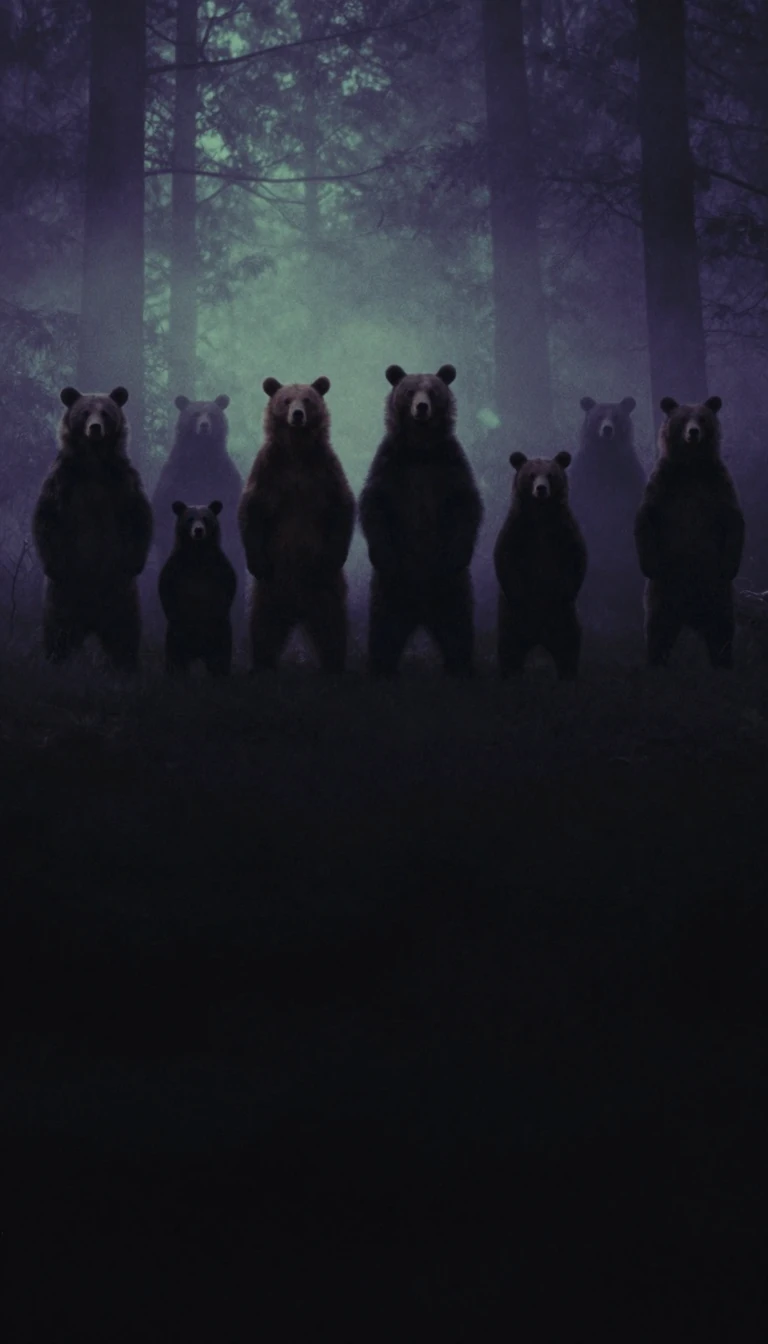
In short: Bear hunting has persisted across cultures since prehistoric times, driven by the demand for meat, fur, and fat. Whether stalking through rugged Caucasus terrain or using bait in North American forests, hunters have developed specialized methods to track these resilient animals, often balancing trophy value against complex conservation and safety concerns.
Historically, bear hunting provided essential resources. Beyond meat, which required thorough cooking to avoid trichinosis, bear fat served as medicine, lamp fuel, and cooking oil. In Medieval Europe, bear paws and thighs were prized by aristocrats, and village communities in Tyrol and Piedmont were required to deliver bear paws to their lords. By the 19th century, as settlers expanded westward, bears were increasingly targeted as threats to livestock, leading to organized eradication efforts like Ohio's 1818 war against wolves and bears.
The physical challenge of hunting bears is significant due to their dense habitats and defensive capabilities. Bears can lower their heart rates when injured to minimize blood loss, necessitating the use of high-caliber firearms to ensure a humane kill. Traditional methods remain diverse: hunters use spears with cross-pieces to hold charging animals at bay, or employ baiting with sweets and rotting carcasses. In the Russian Far East, some hunters use rope loops to immobilize bears, while others rely on calling techniques that mimic injured prey to draw bears from up to a mile away.
Conservation status varies wildly by species and region. While some populations, such as the American black bear, have faced over-population concerns leading to encouraged hunting, others like the grizzly bear have seen their range in the contiguous United States shrink by 98% over a century. Between 1850 and 1920, grizzly bears lost 95% of their original range, with further declines occurring through the 1950s. Today, regulations range from total bans, such as British Columbia's 2017 prohibition, to managed seasons in Alaska and parts of Russia, reflecting the ongoing tension between human activity and the survival of these large carnivores.
Opens the Intellect+ feed with this card first. Swipe up for the next one.
Sources
- Summary by Intellect · source: Bear hunting
To cite this card, link to https://intellectplus.co.uk/app/science-bear-hunting.
How we source, check and correct cards: Editorial standards.
General information, not professional advice. Spotted an error? Flag the card or see corrections and complaints.
Intellect Plus is a visual educational discovery platform for exploring fascinating facts and ideas. Brain Food, Not Brain Rot. What is Intellect Plus?
Related
More in Mathematicians · More in Science · Latest · A–Z · All topics
