The Eurasian brown bear has evolved from a fierce carnivore into a dietary opportunist.
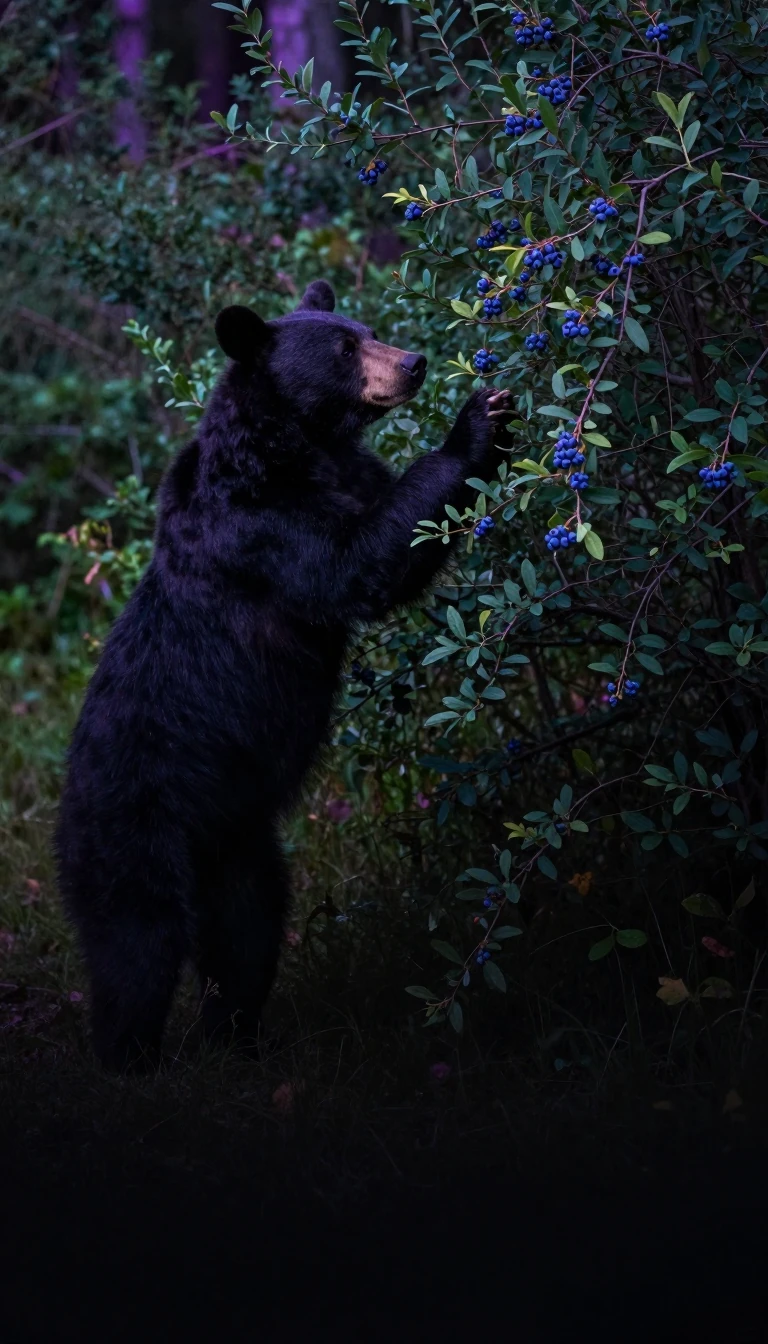
In short: Once a dominant predator in ancient arenas and vast wildernesses, the Eurasian brown bear has undergone a dramatic transformation. As its natural habitat shrank over centuries, this powerful mammal shifted its diet from primarily meat to a largely plant-based menu, reflecting a remarkable adaptation to a changing, human-dominated landscape.
The Eurasian brown bear, scientifically named Ursus arctos arctos by Linnaeus in 1758, possesses a complex evolutionary history. Genetic research indicates the subspecies diverged approximately 850,000 years ago, splitting into distinct lineages that eventually populated Europe and Asia. While fossil evidence from China suggests the species is at least 500,000 years old, the bear's survival during the Pleistocene ice age was once thought to be restricted to southern refugia in Russia, Spain, and the Balkans. Newer studies, however, suggest they also persisted in France and Belgium during the Last Glacial Maximum, challenging previous assumptions about their range.
Historically, these bears were formidable carnivores, with animal matter comprising 80% of their diet in antiquity. This reliance on meat dwindled as their environment fragmented; by the late Middle Ages, it had dropped to 40%, and today it accounts for only 10–15% of their intake. This dietary shift mirrors the bear's shrinking territory, which once spanned most of Eurasia. Today, while the global species is listed as Least Concern, many European populations remain precarious, having faced local extinctions in countries like Britain, Denmark, and the Netherlands.
The bear remains deeply embedded in European culture, influencing everything from place names like Bern to the folklore of the Brothers Grimm. In Russia, the bear is a symbol of military might, while in Croatia, it was featured on the 5 kuna coin from 1993 until 2023. Despite their cultural significance, human-bear conflicts persist. While North America averages two human fatalities annually, Scandinavia has seen only three in the last century. However, the danger remains real; in late 2019, three men were killed by bears in Romania over a single month, highlighting the ongoing tension between these apex animals and the human populations expanding into their remaining wild territories.
Opens the Intellect+ feed with this card first. Swipe up for the next one.
Sources
- Summary by Intellect · source: Eurasian brown bear
To cite this card, link to https://intellectplus.co.uk/app/nature-eurasian-brown-bear.
How we source, check and correct cards: Editorial standards.
General information, not professional advice. Spotted an error? Flag the card or see corrections and complaints.
Intellect Plus is a visual educational discovery platform for exploring fascinating facts and ideas. Brain Food, Not Brain Rot. What is Intellect Plus?
Related
More in Vertebrates · More in Nature · Latest · A–Z · All topics
